
Fresh juice is one of the easiest ways to add more vitamins and nutrients to your daily diet. Whether you’re looking to improve your health, boost your energy levels, or enjoy delicious homemade beverages, a juicer machine can be a valuable addition to your kitchen.
What Is a Juicer Machine?
A juicer machine is a kitchen appliance designed to extract juice from fruits and vegetables while separating the pulp. Unlike blenders, which process the entire fruit or vegetable, juicers produce a smoother drink by removing most of the fiber.
Modern juicer machines are available in various styles and price ranges, making it easy to find one that fits your budget and lifestyle.
Advantages of Using a Juicer Machine
1. Convenient Access to Nutrients
Juicing allows you to consume a wide variety of fruits and vegetables quickly. A single glass of juice can contain nutrients from several servings of produce.
2. Encourages Healthy Eating
Many people find it easier to drink fruits and vegetables than to eat them. Juicing can help increase your daily intake of essential vitamins and minerals.
3. Fresh and Natural Drinks
Homemade juice contains no artificial preservatives, added sugars, or unnecessary additives commonly found in store-bought beverages.
4. Saves Money Over Time
While purchasing a juicer requires an upfront investment, making juice at home can be more economical than regularly buying fresh juices from cafes or grocery stores.
5. Supports a Healthy Lifestyle
Fresh juices can complement a balanced diet and provide hydration while delivering important nutrients.
Types of Juicer Machines
Centrifugal Juicers
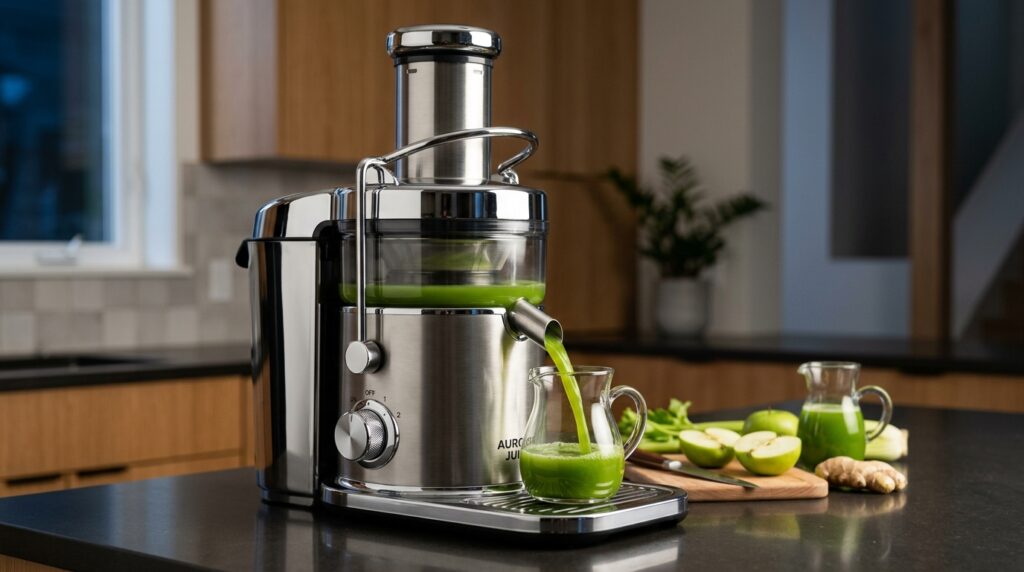
These are among the most popular and affordable juicers. They use fast-spinning blades to shred produce and force the liquid through a sharp mesh basket using centrifugal force. They are ideal for busy mornings when speed is your top priority.
Pros:
- Fast operation
- Affordable
- Easy to use
Cons:
- Slightly noisier
- May produce less juice from leafy greens
Masticating Juicers (Slow Juicers)
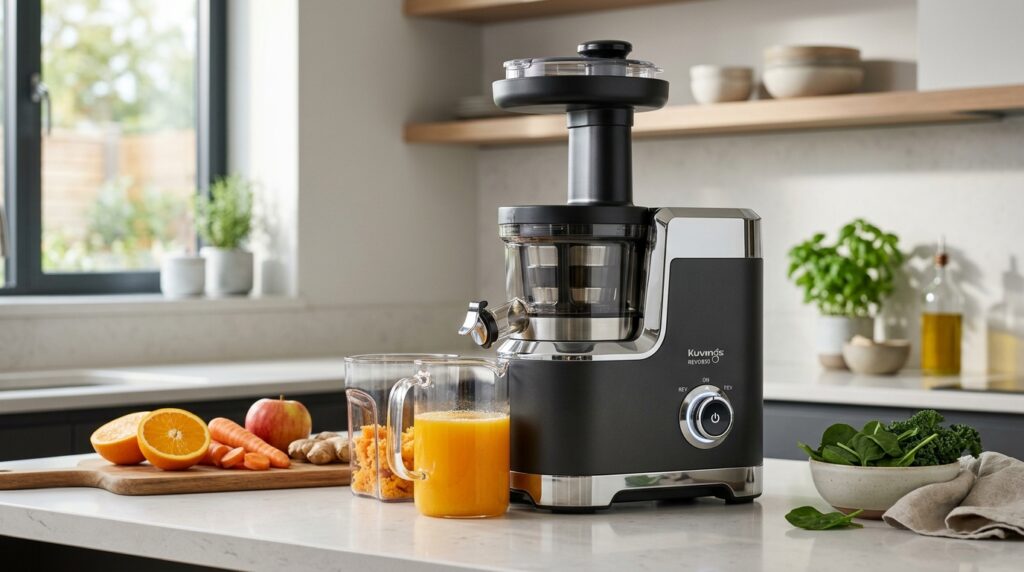
These machines use a slow-turning screw (auger) to crush and squeeze produce. Because they operate at low speeds (usually 40–80 RPM), they don’t generate heat, minimizing oxidation and preserving live enzymes for a longer shelf-life.
Pros:
- Better juice extraction
- Quieter operation
- Excellent for leafy greens
Cons:
- Slower process
- Higher price
Twin-Gear Juicers
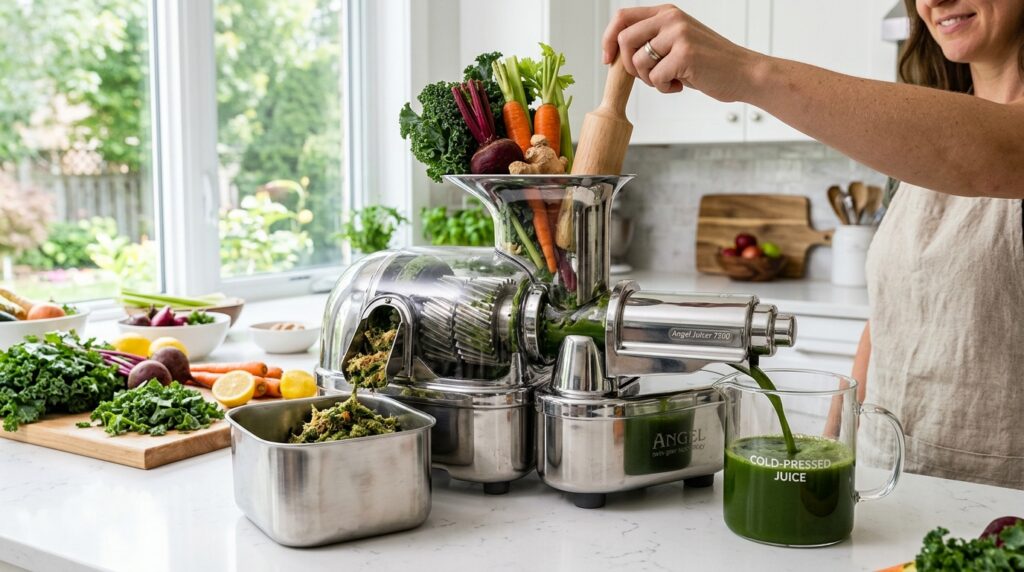
These premium, heavy-duty appliances use two interlocking gears to press, crush, and rub produce into ultra-dry pulp. They extract the absolute maximum amount of chlorophyll and minerals possible.
Pros:
- Maximum nutrient retention
- High juice yield
- Versatile performance
Cons:
- Expensive
- Larger size
Citrus Juicers
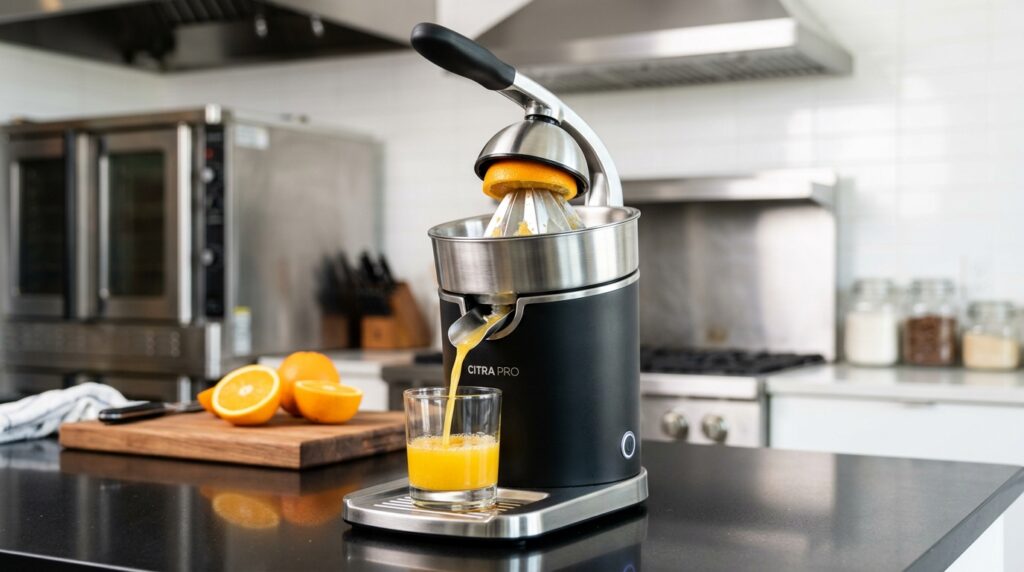
Designed specifically for oranges, lemons, limes, and grapefruits. They feature a rotating cone that presses the juice directly out of halved citrus fruits.
Pros:
- Simple operation
- Compact design
- Affordable
Cons:
Limited to citrus fruits
Features to Consider When Buying a Juicer Machine
| Feature | What to Look For | Why It Matters |
| Feed Chute Width | Look for a wide-mouth chute (3 inches or wider). | Reduces food preparation time because you don’t have to pre-chop fruits like whole apples. |
| Motor Power | Look for 800W+ for Centrifugal; heavy-duty torque for Masticating. | Higher power prevents stalling when crushing dense root vegetables like beets and carrots. |
| Ease of Cleanup | Look for mesh-free filters and dishwasher-safe components. | If a juicer takes 20 minutes to scrub, it will quickly end up forgotten in the back of your cabinet. |
| Pulp Control | Look for adjustable pressure nozzles or interchangeable pulp screens. | Allows you to customize your beverage texture, whether you want an ultra-clear juice or an artisanal blend with some texture. |
Best Fruits and Vegetables for Juicing
- Apples
- Oranges
- Pineapples
- Carrots
- Cucumbers
- Celery
- Spinach
- Kale
- Beets
- Ginger
- Base Ingredients (High Water Yield): Apples, Oranges, Pineapples, Cucumbers, Celery.
- Nutrient Boosters (Leafy Greens & Roots): Carrots, Spinach, Kale, Beets.
- Flavor Accents (Kick & Spice): Ginger, Lemon, Lime, Turmeric.
Combining different fruits and vegetables can create delicious, balanced, and nutrient-rich juice blends.
A juicer extracts liquid while removing pulp, resulting in a smooth beverage. A blender processes the entire ingredient, including fiber, producing thicker drinks like smoothies.
If you prefer pure juice, choose a juicer. If you want to retain fiber and create smoothies, a blender may be the better option.
Maintenance Tips for Your Juicer Machine
To keep your juicer performing efficiently:
- Clean it immediately after use.
- Follow the manufacturer’s cleaning instructions.
- Check filters regularly for buildup.
- Replace worn parts when necessary.
- Store the machine in a dry location.
Proper maintenance can significantly extend the lifespan of your appliance.
Juicer vs. Blender: What’s the Difference?
A juicer extracts liquid while discarding the fibrous pulp, resulting in a thin, smooth, highly concentrated beverage. A blender processes the ingredient—including the fiber—producing thick, filling drinks like smoothies.
If your primary goal is clean, rapid nutrient absorption without overworking your digestive system, choose a juicer. If you want to retain fiber, create meal-replacements, and blend frozen fruits, a blender is the better option.
Final Thoughts
A juicer machine is a worthwhile investment for anyone looking to enjoy fresh, homemade juice and support a healthier lifestyle. Whether you choose a centrifugal, masticating, twin-gear, or citrus juicer, selecting the right model depends on your budget, preferences, and juicing habits.
By understanding the different types and features available, you can find a juicer machine that helps you create delicious and nutritious drinks for years to come.