
Your garbage disposal handles more grim, disgusting duty than almost any other appliance in your house, and it never once complains.
Then one day it starts smelling like something crawled in there and gave up on life, and suddenly you remember it exists.
I’ve been there, standing in my kitchen convinced a small animal died in my sink, only to realize it was just weeks of neglected food scraps throwing a party under my drain.
The good news? Cleaning and maintaining your garbage disposal is embarrassingly easy once you know what you’re doing.
I’m going to walk you through everything I’ve learned from years of trial, error, and one memorable incident involving a spoon that shall not be discussed. Let’s get your disposal smelling fresh and running like new.
Why Garbage Disposal Maintenance Actually Matters
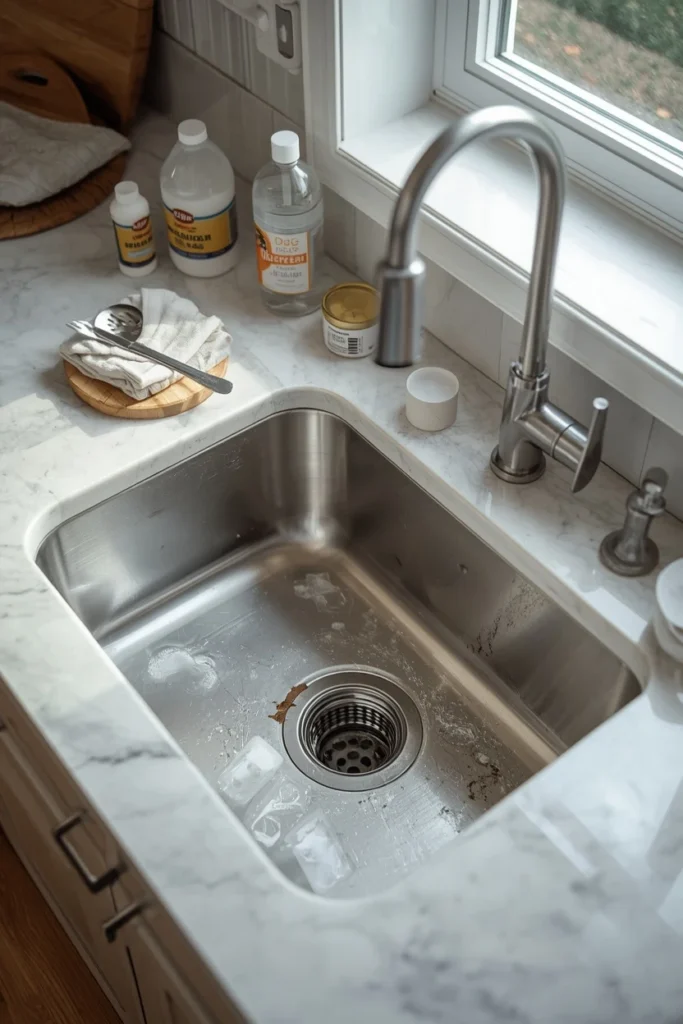
I get it. Nobody wakes up excited to clean a garbage disposal. But skipping maintenance turns a five-minute chore into a much bigger headache down the road.
A neglected disposal doesn’t just smell bad. It can jam, leak, or burn out its motor entirely, and replacing the unit costs a lot more than the baking soda you’re avoiding.
Regular cleaning also prevents clogs that back up your whole kitchen sink, which is a special kind of miserable when you’re mid-dinner-prep.
Think of your disposal like your car’s oil. Ignore it long enough, and it will eventually make its displeasure known in the most inconvenient way possible.
Signs Your Garbage Disposal Needs Attention
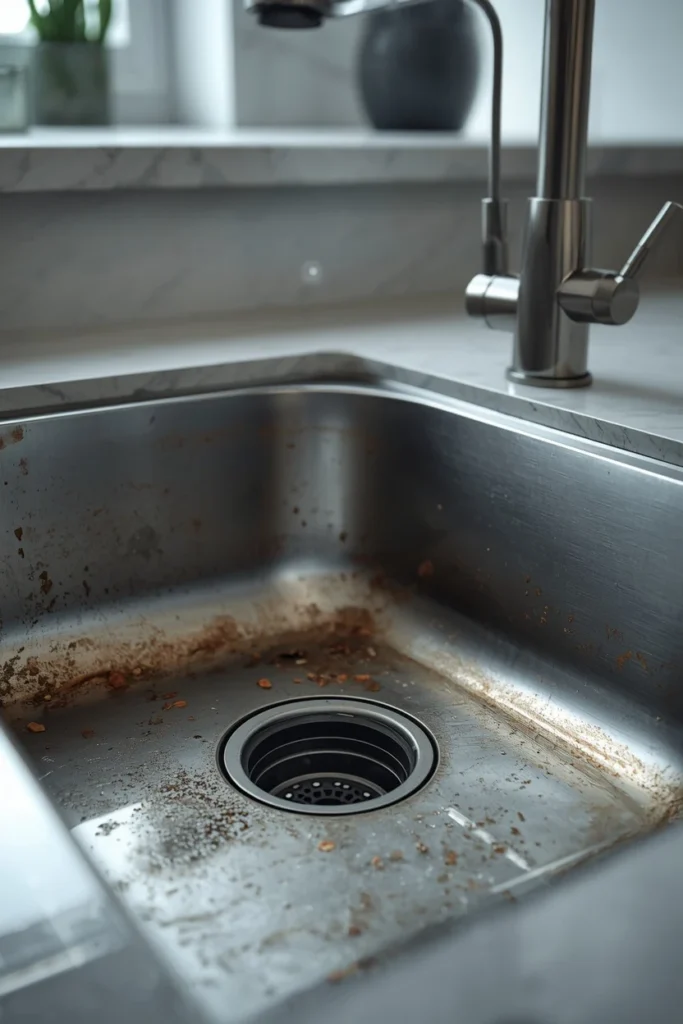
Before we get into cleaning methods, let’s talk about the warning signs. Your disposal actually communicates with you, you just have to know what it’s saying.
Here’s what to watch for:
- Persistent bad odors even after running water and the disposal together
- Slow drainage or standing water in the sink
- Unusual grinding noises that sound louder or rougher than normal
- Frequent jamming, where the motor hums but the blades won’t spin
- Visible grime or buildup around the rubber splash guard
Notice any of these? Don’t wait it out hoping the problem fixes itself. It won’t, and I say that from painful experience.
How Often Should You Clean Your Garbage Disposal?
I clean mine once a week, and honestly, that’s the sweet spot for most households. If you cook daily and toss a lot of food scraps down there, weekly cleaning keeps odors and buildup from ever becoming a problem.
Light users can probably get away with cleaning every two weeks. But here’s a rule I live by: if you can smell it, it’s already overdue. Your nose is a pretty reliable early warning system, so trust it.
Step-by-Step: How to Clean Your Garbage Disposal
1. Turn Off the Power First
This step is not optional, no matter how confident you feel. Always switch off the disposal at the wall switch, and if you’re doing any hands-on cleaning, unplug the unit under the sink too.
Sticking your hand near spinning blades because you assumed it was off is exactly the kind of decision that ends up in an ER waiting room story.
2. Clear Out Visible Debris
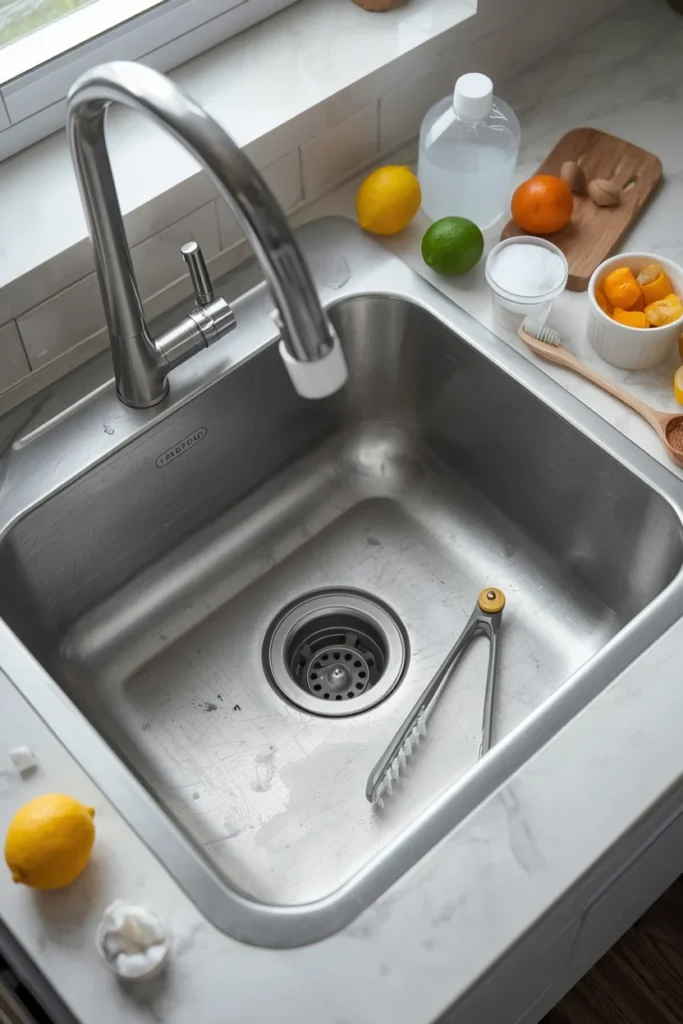
Grab a pair of tongs or pliers and remove any large chunks of food stuck near the top of the drain. Never use your bare hands for this part. Never. I don’t care how careful you think you are.
3. Use Ice and Salt to Scrub the Blades
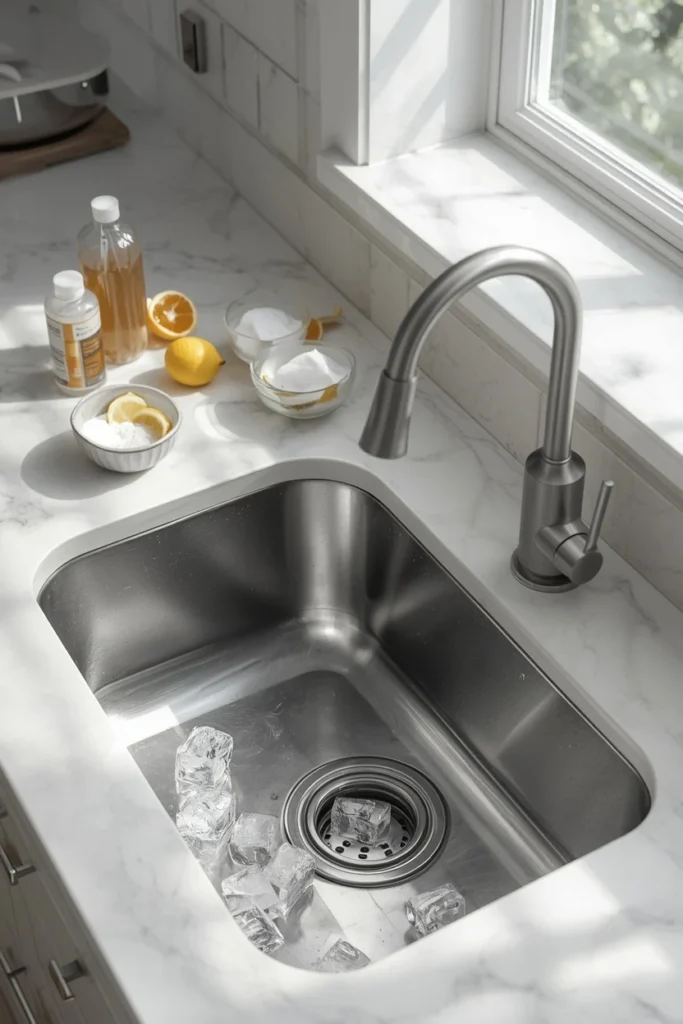
Here’s a trick that works better than most people expect. Toss a couple cups of ice cubes into the disposal along with a half cup of rock salt, then run cold water and turn the unit on.
The ice acts like tiny scrub brushes against the blades, knocking loose grime while the salt helps break down grease. It sounds almost too simple to work, but it genuinely does. I was skeptical the first time I tried it too.
4. Deep Clean With Baking Soda and Vinegar
This combo is a classic for a reason, and it deserves its reputation.
- Pour half a cup of baking soda down the drain
- Follow with one cup of white vinegar
- Let the mixture fizz and sit for about 10 minutes
- Flush thoroughly with hot water
The fizzing reaction breaks down grease and neutralizes lingering odors without any harsh chemicals. It’s basically a science fair volcano that actually does something useful for once.
5. Scrub the Rubber Splash Guard
The rubber flaps around your disposal opening are odor magnets, and most people completely forget they exist.
Lift the flaps and scrub underneath with an old toothbrush and a bit of dish soap. You’ll be shocked, and a little grossed out, by what collects under there.
6. Freshen Things Up With Citrus
Once everything is clean, toss a few citrus peels, lemon, lime, or orange, into the disposal and run it briefly with water.
The natural oils leave your sink smelling fresh instead of like a science experiment gone wrong. This is my favorite step because it feels like the reward at the end of an otherwise unglamorous chore.
What You Should Never Put Down Your Garbage Disposal
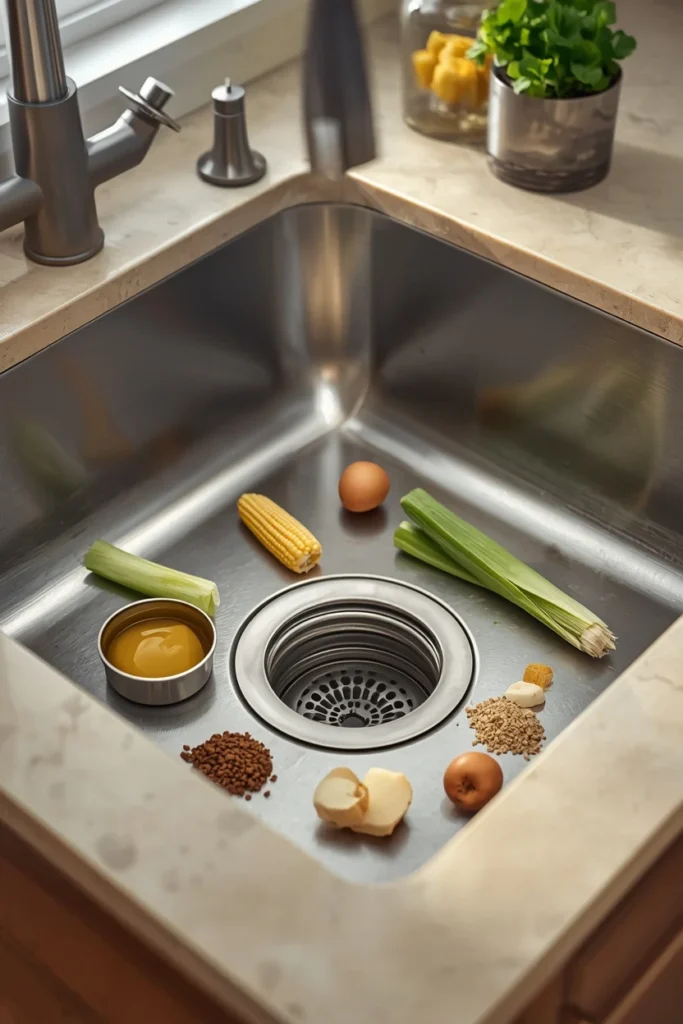
Want to avoid most disposal problems entirely? Watch what goes down there in the first place. Prevention beats cleanup every single time.
Avoid these common offenders:
- Grease and cooking oil, which harden and clog pipes over time
- Fibrous vegetables like celery and corn husks, which tangle around the blades
- Coffee grounds, which pile up and create sludge
- Eggshells, despite what your grandmother might have told you
- Bones and fruit pits, which are simply too hard for most units to handle
- Pasta and rice, which expand and create gummy clogs
- Non-food items, obviously, though you’d be surprised what people try
I once heard someone insist that eggshells “sharpen the blades.” That’s a myth that refuses to die, and it’s simply not true.
Garbage disposal blades are actually impellers, not sharp blades, and eggshell membranes just add to buildup instead of helping anything.
Long-Term Maintenance Tips That Actually Work
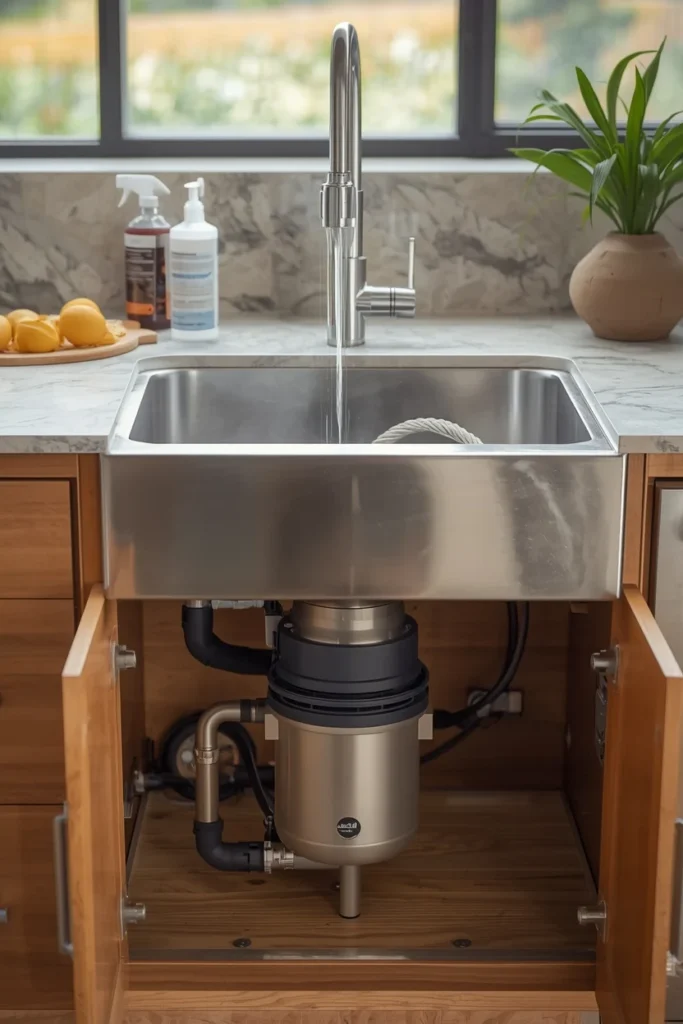
Run Cold Water, Not Hot, While Grinding
This one surprises people. Cold water solidifies any grease or fat particles, allowing the disposal to grind and flush them out more effectively.
Hot water actually melts grease, letting it coat your pipes instead of moving through them. Counterintuitive, right? But it works.
Run It Regularly, Even When You’re Not Cooking
A disposal that sits unused for long stretches is more prone to rust and part seizing. Running it for a few seconds every couple of days, even with just water, keeps everything moving smoothly. Use it or risk losing it, essentially.
Check the Splash Guard for Wear
Over time, the rubber baffle can crack or wear thin. If yours looks damaged, replace it. They’re inexpensive and take about ten minutes to swap out, and a worn guard lets odors and debris travel back up where they don’t belong.
Listen for Changes in Sound
Your disposal has a normal operating hum, and once you know that sound, changes become obvious fast.
Grinding, rattling, or excessive vibration usually means something’s off, whether that’s a lodged object or a loosening part. Catching these issues early saves you from costlier repairs later.
Know When to Call a Professional
Not every problem is a DIY fix, and there’s zero shame in admitting that. If your disposal won’t reset after tripping the breaker, leaks from the bottom, or makes a burning smell, turn it off and call a plumber.
Some issues signal motor failure or wiring problems that go well beyond ice cubes and vinegar.
Wrapping It All Up
Keeping your garbage disposal clean really comes down to a few consistent habits: regular cleaning with ice, salt, baking soda, and vinegar, mindful use of what you send down the drain, and paying attention when something sounds or smells off.
None of this requires special tools or a plumbing degree, just a little consistency.
Your disposal works hard for you every single day without asking for much in return. Give it fifteen minutes a week, and it’ll keep quietly doing its job instead of announcing its problems to your entire kitchen.
Trust me, your nose, your guests, and your future self will all thank you.
How Often Should I Clean My Garbage Disposal?
Weekly cleaning works best for most households, especially if you cook often. Light users can stretch it to every two weeks, but if you notice any smell, that’s your sign to clean it right away.
Can I Use Bleach To Clean My Garbage Disposal?
I wouldn’t recommend it, and here’s why. Bleach can damage the rubber components and pipe seals over time, plus it’s overkill compared to baking soda and vinegar, which clean just as effectively without the harsh fumes.
Why Does My Garbage Disposal Smell Even After Cleaning?
This usually means grime has built up somewhere you can’t see, like under the splash guard or deep in the drain trap.
Try the ice and salt method combined with a citrus rinse, and check that rubber flap closely since it hides more grease than you’d expect.
Is It Bad To Run My Garbage Disposal Without Water?
Yes, running it dry can cause the motor to overheat and shortens the unit’s lifespan considerably. Always run cold water for a few seconds before, during, and after using the disposal.
What Do I Do If My Garbage Disposal Won’t Turn On At All?
First, check the reset button on the bottom of the unit, since a simple trip is the most common cause.
If pressing reset doesn’t work and you’ve confirmed the breaker isn’t tripped either, it’s time to call a plumber before you make things worse.