
Many people see curtains as an afterthought. You grab them quickly because the bare window bothers you. Then, you hang them and wonder why the room still feels off.
Curtains actually hold more design power than most realize. Choosing the wrong ones can pull down a space that could look great.
The good news? Picking curtains that enhance a room is simple once you know what to consider. This guide covers every choice, from fabric and length to color and hanging height. You can stop guessing and start getting it right.
Why Curtains Matter More Than You Think
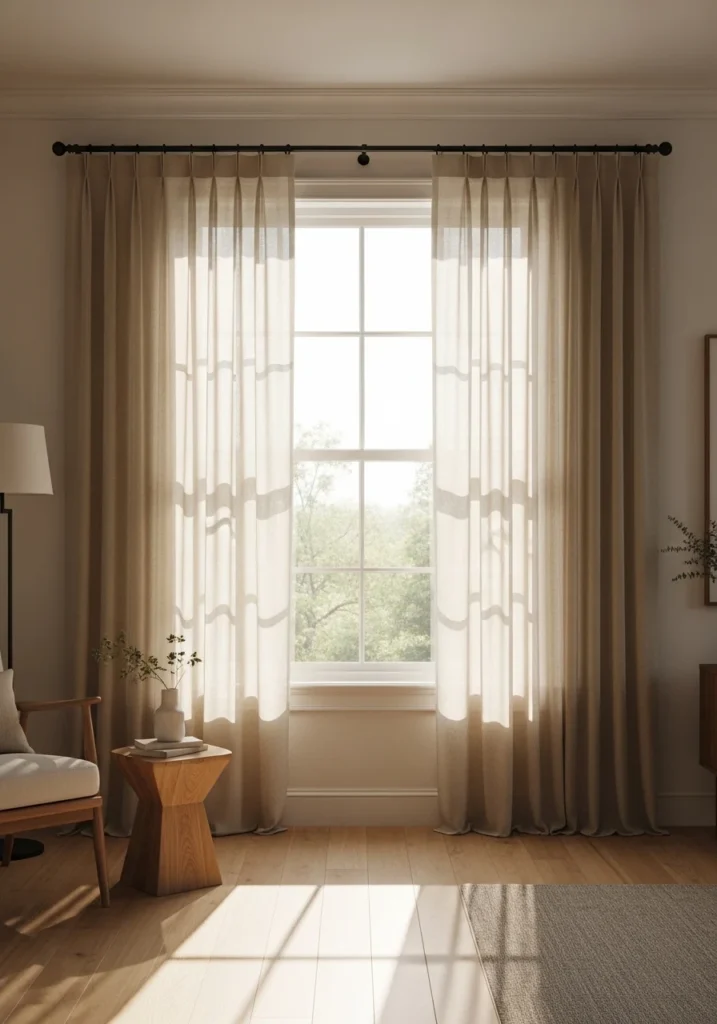
Walk into any beautifully decorated room and you will almost always find curtains that look intentional.
They frame the windows, soften hard edges, and add texture and color in a way that no other single element can replicate quite as effectively.
Curtains influence how spacious, bright, and polished a room feels. Hang them too low, too short, or in the wrong fabric, and even expensive furniture starts to look a little sad.
Hang them correctly, and even a budget room suddenly looks like someone with taste lives there.
The stakes are real, but so is the opportunity. Getting your curtains right is one of the highest-impact, relatively affordable upgrades you can make to any room in your home.
Start With the Right Fabric for the Job
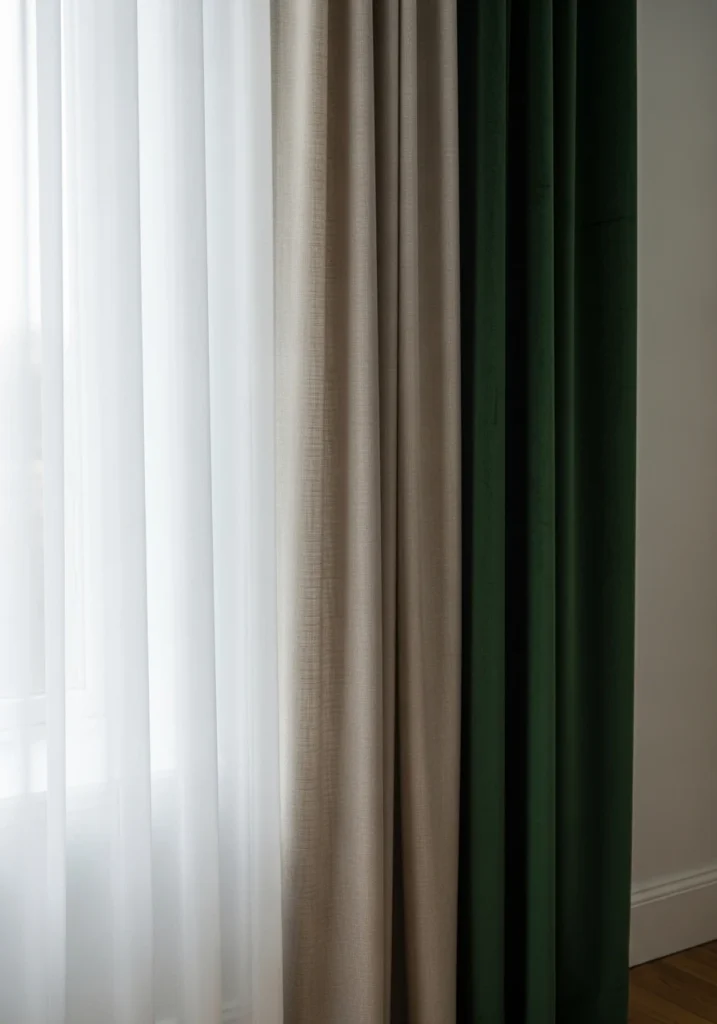
Fabric is the foundation of every curtain decision. Before you think about color or pattern, you need to ask yourself what you actually need these curtains to do.
Sheer Fabrics for Light and Softness
Sheer curtains filter light beautifully without blocking it entirely, and they add a soft, airy quality to a room that heavier fabrics simply cannot replicate.
Linen sheers and voile are excellent choices for living rooms and bedrooms where you want natural light but also a layer of privacy during the day.
Sheers work especially well in smaller rooms or spaces that tend to feel dark, because they keep the light moving through while still giving the window a dressed, finished look.
Just be aware that sheers offer very little blackout coverage, so if you need to sleep in a dark room, layer them with a heavier panel.
Heavier Fabrics for Structure and Drama
Velvet, linen, and cotton twill all bring a sense of weight and substance to a room. These fabrics hang beautifully, pool elegantly on the floor if you want that dramatic look, and add serious texture to the space.
Velvet in particular is one of those fabrics that punches well above its price point in terms of visual impact.
A deep navy or forest green velvet curtain can make a room feel genuinely luxurious, even if everything else in the space is fairly simple.
The light absorption and rich color depth that velvet delivers are hard to replicate with any other material.
Linen: The Reliable Middle Ground
If you are ever unsure what fabric to choose, linen is almost always a safe and beautiful answer.
It has enough weight to hang well, enough texture to add visual interest, and a natural, relaxed quality that works across a wide range of interior styles from coastal to mid-century modern to Scandinavian.
Linen also takes dye beautifully, so you get rich, nuanced color without the fabric feeling heavy or stiff. It wrinkles, yes, but honestly that casual rumple is part of its charm.
Getting the Length Right
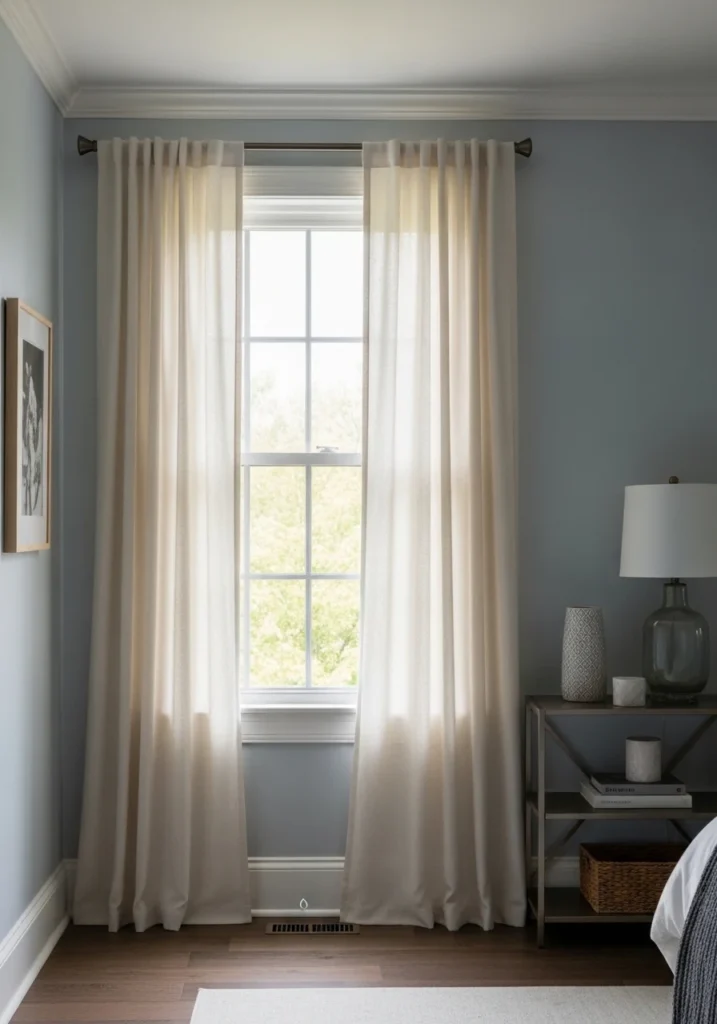
Curtain length is where a lot of people go wrong, and the consequences are surprisingly visible.
Too short and the curtains look like they shrank in the wash. Too long without intention and they look like a mistake rather than a design choice.
The Three Standard Length Options
Here is a straightforward breakdown of the most common curtain lengths and when each one works best:
- Sill length: Curtains that end at the windowsill. Best for kitchens, bathrooms, or any space where long curtains would be impractical.
- Below sill or apron length: Curtains that hang about four to six inches below the sill. This length works well in casual spaces and gives a clean, tidy look.
- Floor length: Curtains that just graze the floor or break slightly. This is the most universally elegant option and works in almost any room.
- Puddle length: Curtains that extend several inches onto the floor intentionally. This creates a dramatic, luxurious effect best suited to formal living rooms or bedrooms.
For most rooms in most homes, floor length curtains that just graze the surface are the right call. They look intentional, finished, and inherently more elevated than any shorter option.
The One Measurement Mistake to Avoid
A lot of people measure from the window frame to the floor and order curtains to that exact length.
Then they hang the curtain rod at the same height as the window frame, and wonder why the room feels shorter than it should.
Always hang your curtain rod higher than the window frame, ideally four to six inches above it, or even closer to the ceiling in rooms with high ceilings.
This draws the eye upward, makes the ceiling feel taller, and gives the window a much more commanding presence in the room.
Choosing the Right Color and Pattern
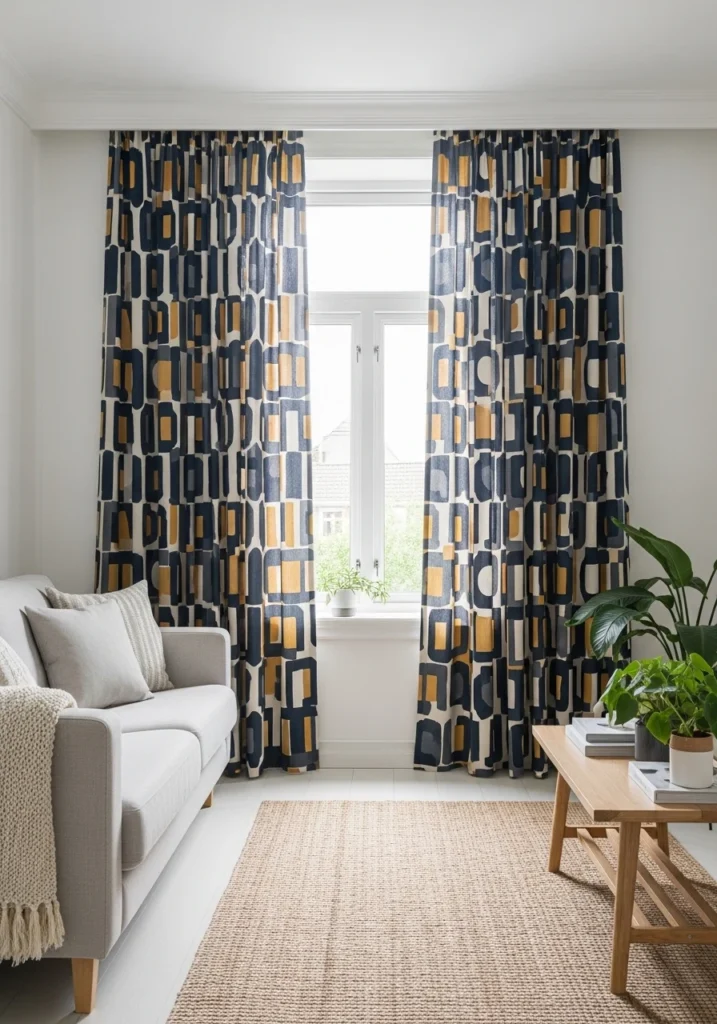
Color is where curtains can either pull a room together or send it into chaos. Neither outcome is accidental. Both come from specific choices, so it helps to understand the logic behind what works.
Matching Versus Contrasting
Curtains in a similar tone to your walls create a seamless, elongated effect that makes a room feel larger and more cohesive.
This is a great strategy for smaller rooms or for anyone who wants a calm, collected look without a lot of visual noise.
Contrasting curtains create a focal point and inject personality into a room. A bold color against a neutral wall can be genuinely stunning when done with intention. The key word there is intention.
Grab a color that already exists somewhere else in the room, whether in a throw pillow, a rug, or a piece of artwork, and use that as your anchor. This creates contrast without chaos.
When to Use Pattern
Patterned curtains can be spectacular, but they require a bit more discipline in the rest of the room. If your sofa, rug, and cushions already carry strong patterns, adding a bold curtain print into the mix will likely create visual overload.
The general rule is to limit strong pattern to one or two elements per room. If your curtains carry the pattern, keep the upholstery relatively calm.
If your rug is doing the heavy lifting in terms of pattern, solid or subtly textured curtains will serve the room far better.
Understanding Curtain Headers and How They Affect the Look
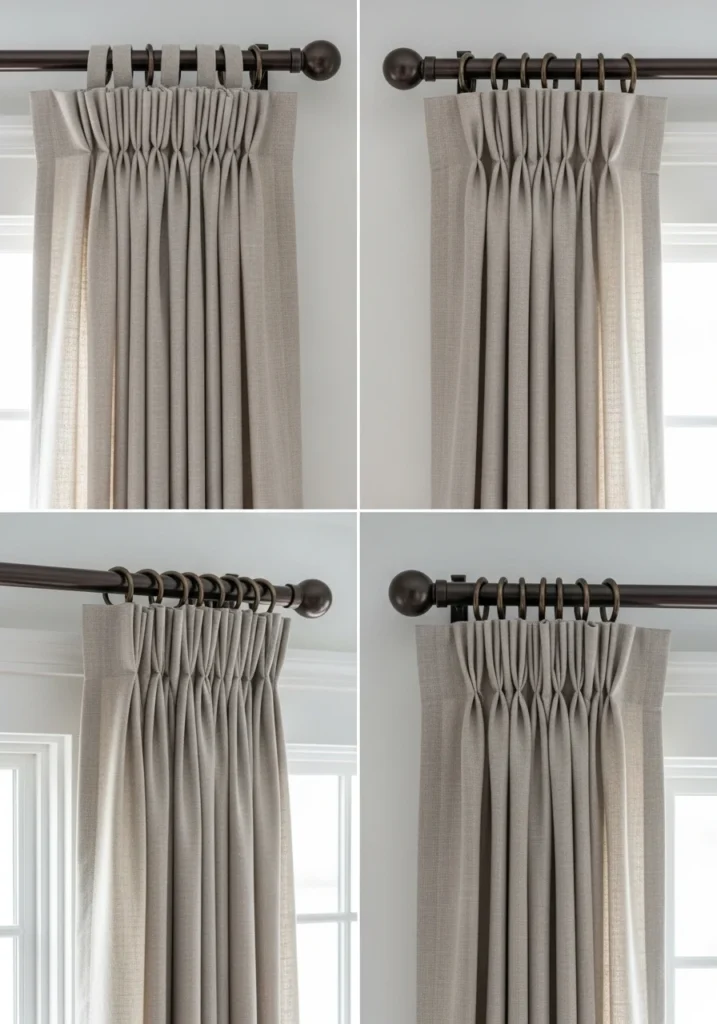
The header refers to the top of the curtain and how it attaches to the rod. This detail shapes the entire silhouette of the curtain, and it is one of the more overlooked decisions in the process.
The Most Common Header Styles
- Rod pocket: The rod slides through a sewn pocket at the top. This creates a gathered, casual look and works well in relaxed, informal spaces.
- Tab top: Fabric loops hang the curtain from the rod. This style is clean and simple, but it does not slide as easily and works best for curtains you do not open and close frequently.
- Eyelet or grommet: Metal rings are set into the fabric and the rod runs through them. This creates a modern, structured look with even, consistent folds.
- Pinch pleat: Fabric is sewn into neat pleats at the top. This is the most formal and tailored option and works beautifully in traditional or classic interiors.
- Pencil pleat: Tightly gathered pleats that create a full, classic look. Versatile enough to work in both formal and casual settings.
For most modern interiors, eyelet and pencil pleat headers offer the best balance of practicality and visual appeal. They hang cleanly, move easily along the rod, and look polished without being fussy.
How Wide Should Your Curtains Be?
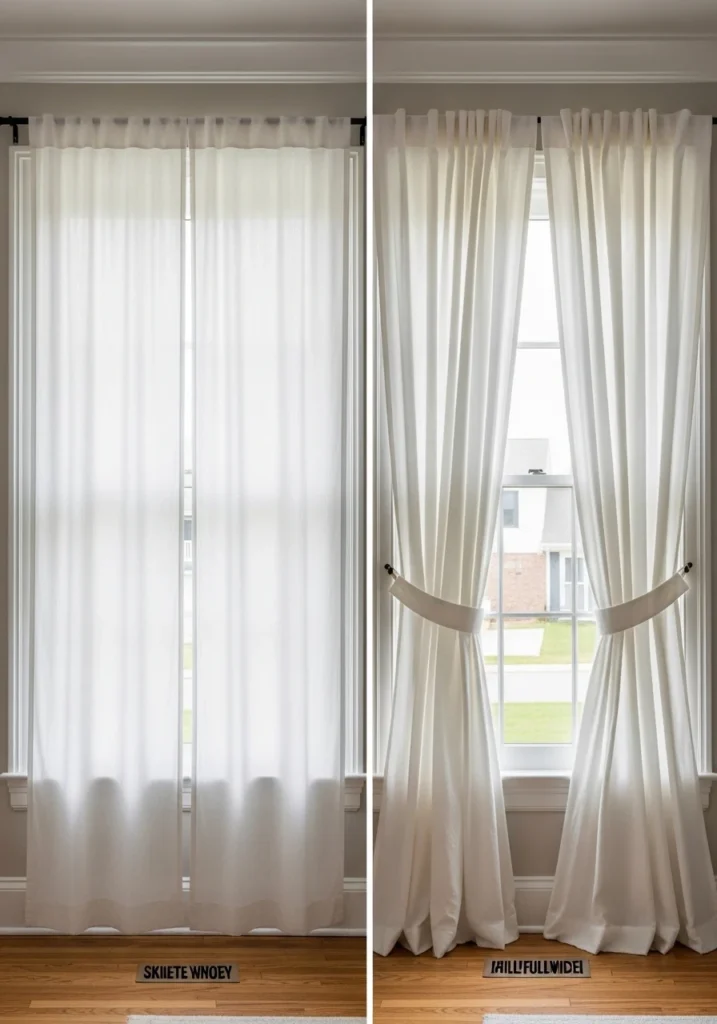
Width is another measurement that people frequently underestimate. Curtains that are not wide enough look sparse and flat, regardless of how good the fabric or color is.
A good starting point is to use curtain panels that, when hung, total two to two and a half times the width of the window.
So for a window that measures 60 inches wide, you want curtains with a combined width of between 120 and 150 inches. This fullness creates those beautiful, generous folds that make curtains look luxurious rather than stretched thin.
If you are working with a tighter budget, this is actually one area where you can be strategic.
Buying more panels of a less expensive fabric and creating generous fullness will almost always look better than buying fewer panels of a premium fabric that ends up looking skimpy.
Lining: The Detail That Separates Good Curtains From Great Ones
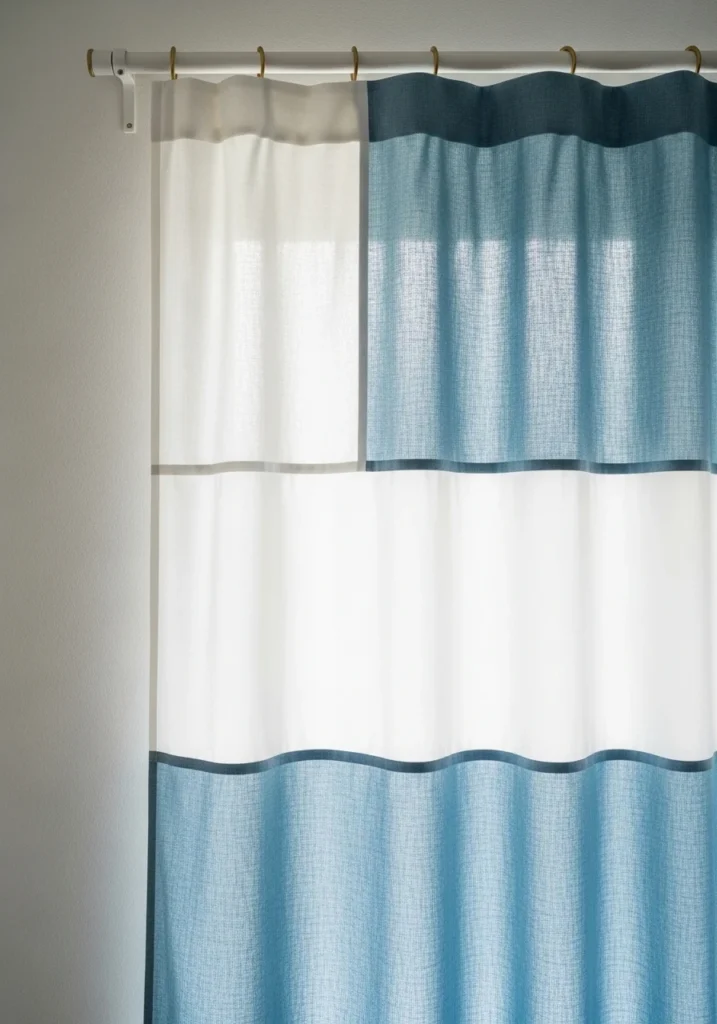
Lining is one of those choices that you genuinely notice in the final result, even if you cannot always articulate why unlined curtains look less finished.
Lined curtains hang better, block more light, provide better insulation, and protect the face fabric from sun damage. They also simply look more substantial and intentional than unlined panels.
If you are investing in quality fabric, lining those curtains is not optional. It is the step that protects and maximizes that investment.
Blackout lining is worth considering for bedrooms, nurseries, or any room where light control matters to you. It does not have to be heavy or stiff.
Modern blackout linings are much more refined than the thick, crinkly options of a decade ago.
Putting It All Together
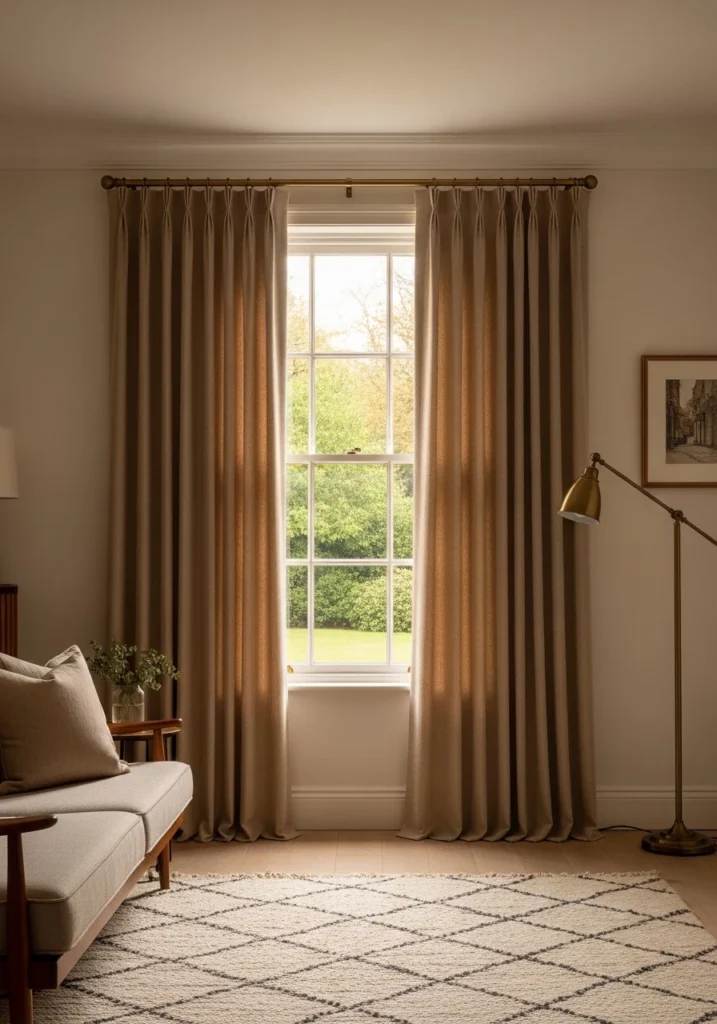
Choosing curtains that elevate a room comes down to a series of connected decisions, each one building on the last. Start with fabric and let the function of the room guide that choice.
Get the length right by always hanging the rod higher than the window frame and letting the panels reach the floor. Match or contrast your colors with intention, not impulse.
Choose a header style that fits your interior aesthetic. And make sure your panels are wide enough to create that full, generous look that separates well-dressed windows from underdressed ones.
Do not forget the lining. Seriously, do not skip the lining.
Once you approach curtain selection as a series of deliberate, logical decisions rather than a single overwhelming choice, the whole process becomes much more manageable.
And when you finally hang those panels, step back, and see the room transform, you will wonder why you ever let bare windows slide for so long.
What Length Should Curtains Be for a Standard Room?
For most rooms, floor-length curtains that touch the floor look polished and elegant. Always hang your curtain rod four to six inches above the window frame, or higher if possible.
This trick draws the eye up, makes the ceiling feel taller, and gives your window a more intentional look. Avoid curtains that end at the sill or mid-wall unless there’s a practical reason, like in a kitchen or bathroom.
What Curtain Fabric Works Best for a Living Room?
Linen and velvet are top choices for living room curtains. Linen offers a relaxed, natural texture that fits many styles. It hangs beautifully and holds color well. Velvet gives a richer, more dramatic look.
It’s great for creating warmth and luxury. If your living room gets a lot of natural light, use a linen sheer under a heavier panel. This combo keeps the space bright and airy.
Should Curtains Match the Wall Color or Contrast With It?
Neither approach is universally right. The best choice depends on the feeling you want for the room. Curtains that match your wall color create a seamless look. This makes the space feel larger and calmer.
In contrast, bold curtains can become a focal point and add personality. If you choose contrasting colors, link them to something in the room.
This could be a rug, cushion, or piece of artwork. This way, the contrast feels intentional, not accidental.
How Wide Should Curtains Be Relative to the Window?
Your curtain panels should be two to two and a half times the window’s width when hung. For a 60-inch wide window, use panels with a combined width of 120 to 150 inches.
This fullness creates lovely, luxurious folds, making curtains appear well-chosen. Skimping on width is a common mistake. No fabric or color can fix panels that look sparse on the rod.
Do Curtains Really Need a Lining?
Lining greatly affects how curtains look and work. Lined curtains hang better, block more light, insulate against heat and cold, and shield the fabric from sun damage.
In contrast, unlined curtains often appear limp and unfinished, no matter how good the fabric is. If you’re investing in quality curtain panels, lining them protects and enhances your investment.
For bedrooms or any space where light control is key, blackout lining is worth the extra cost.