
No one wakes up on a Saturday and thinks, “I want to spend three hours on laundry.” Sorting, washing, rewashing that one forgotten load, and folding isn’t anyone’s idea of fun.
Laundry feels endless, and the wrong washing machine makes it worse.
After years of battling machines that left clothes soaking, devoured socks, and roared like helicopters in the spin cycle, I can confidently say that the right washing machine can change your life.
The good news? The market has options for everyone. Whether you have a busy household or live alone and need something compact, there’s a fit for you.
This guide will help you find what matters most when choosing a washing machine. It covers which types match different lifestyles and which features are worth the price versus those that just raise costs.
Front Load vs. Top Load: The Great Debate
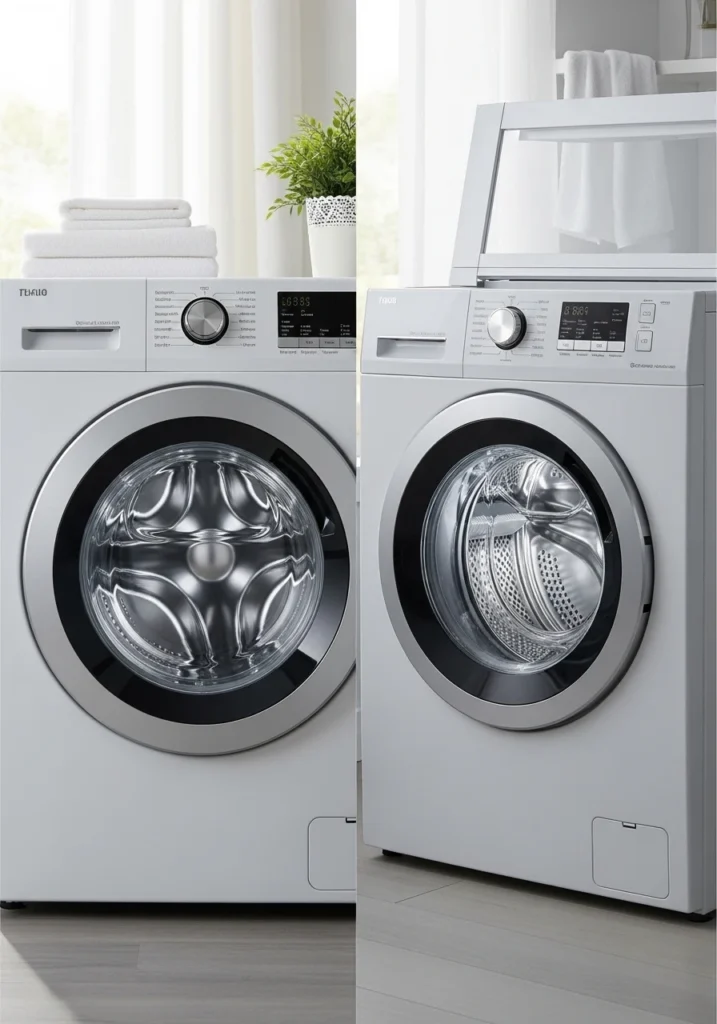
This is the question that starts arguments in appliance stores everywhere, and honestly, both sides have a point.
Front-load washing machines and top-load washing machines each come with genuine advantages, and the right choice depends entirely on how you do laundry and what your space allows.
Front-Load Washing Machines
Front-loaders have built a strong reputation for a reason.
They use significantly less water than most top-loaders, and they clean clothes more thoroughly because the tumbling action is gentler on fabrics while still delivering a deep clean.
If you care about your clothes lasting longer, a front-loader is worth serious consideration.
Here is what makes front-loaders stand out:
- Better energy and water efficiency, which adds up to real savings on your utility bills over time
- Higher spin speeds that extract more water, so clothes dry faster in the dryer or on a line
- Stackable design that frees up floor space when you pair it with a matching dryer
- Gentler on fabrics, which matters if you own a lot of delicate or high-quality clothing
The one legitimate complaint about front-loaders is the door seal.
If you do not leave the door open between washes or wipe the gasket regularly, mold and mildew can build up and create an unpleasant smell. It is not a dealbreaker, but it does require a small habit adjustment.
Top-Load Washing Machines
Top-loaders are the workhorses that most people grew up with, and they still hold their own in several important areas.
High-efficiency top-loaders without an agitator have closed the performance gap with front-loaders considerably over the last decade.
They offer the convenience of tossing in a forgotten sock mid-cycle, a slightly more ergonomic loading position for some people, and generally faster wash cycles.
Traditional top-loaders with a central agitator tend to be the most affordable option upfront, but they use more water and can be rougher on clothing over time.
If budget is your primary concern, they get the job done. If you want efficiency without sacrificing too much convenience, an agitator-free top-loader hits a solid middle ground.
The Features That Actually Matter
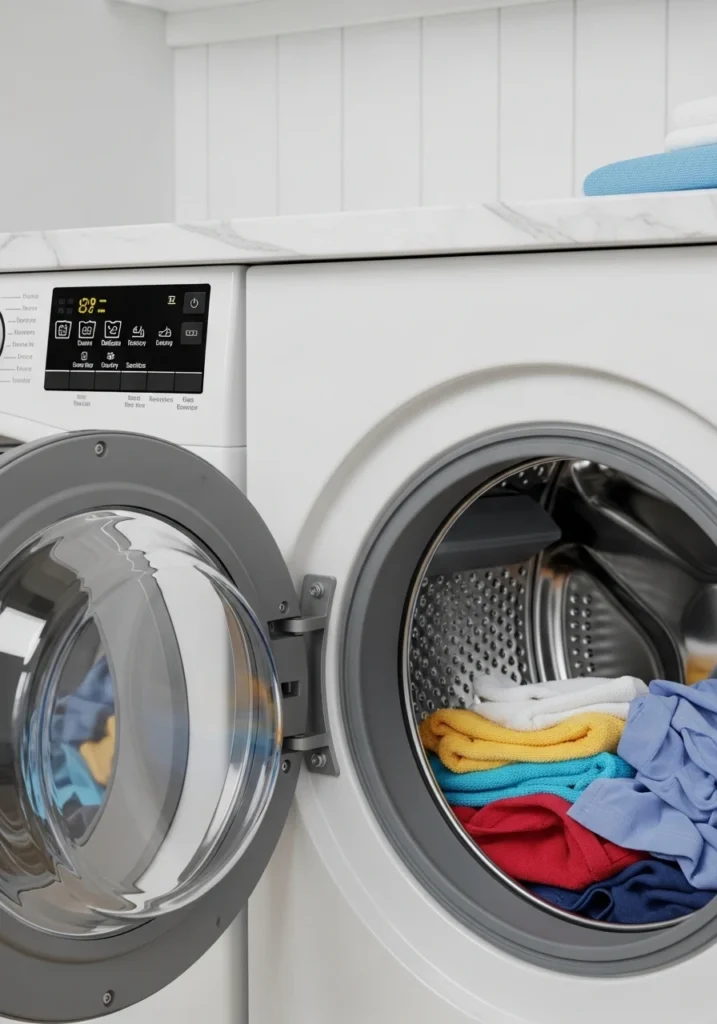
Walk into any appliance store and you will encounter washing machines promising features that sound revolutionary but turn out to be marketing dressed up as technology.
So which features genuinely simplify your laundry routine, and which ones will you use exactly once before forgetting they exist?
Wash Cycles and Programs
A good washing machine should offer a range of wash cycles that cover your actual laundry needs without overwhelming you with options you will never touch. The cycles that earn their keep include:
- Quick wash or express cycle for lightly soiled clothes when you are short on time
- Delicate or hand wash cycle for items that need gentle treatment
- Heavy duty or bulky cycle for jeans, towels, and bedding
- Allergen or sanitize cycle that uses higher temperatures to kill bacteria and dust mites
Beyond those, most households rarely venture into the specialty cycles. A machine with 14 wash programs sounds impressive, but if you realistically use four of them, you are paying for complexity you do not need.
Load Capacity
Getting the capacity right saves you time and energy. Washing machine capacity is measured in kilograms, and it refers to the weight of dry laundry the drum can handle in a single load.
Here is a rough guide to help you match capacity to your household size:
- 5 to 6 kg: Ideal for one or two people with light to moderate laundry needs
- 7 to 8 kg: Works well for a family of three to four people
- 9 kg and above: Best for larger families or households that wash bulky items like duvets and curtains regularly
Undersizing your machine means running more loads. Oversizing means wasting water and energy on half-empty drums. Getting this right is one of the most practical decisions you can make.
Spin Speed
Spin speed is measured in RPM (revolutions per minute), and higher is generally better for reducing drying time. A machine that spins at 1400 RPM will leave your clothes noticeably drier than one that tops out at 1000 RPM.
If you air dry rather than tumble dry, this becomes even more important because drier clothes at the end of a wash cycle means shorter drying time on the line.
Most mid-range and premium machines offer between 1200 and 1600 RPM. Anything below 1200 RPM is worth avoiding unless budget constraints make it unavoidable.
Energy Efficiency: Your Wallet Will Thank You
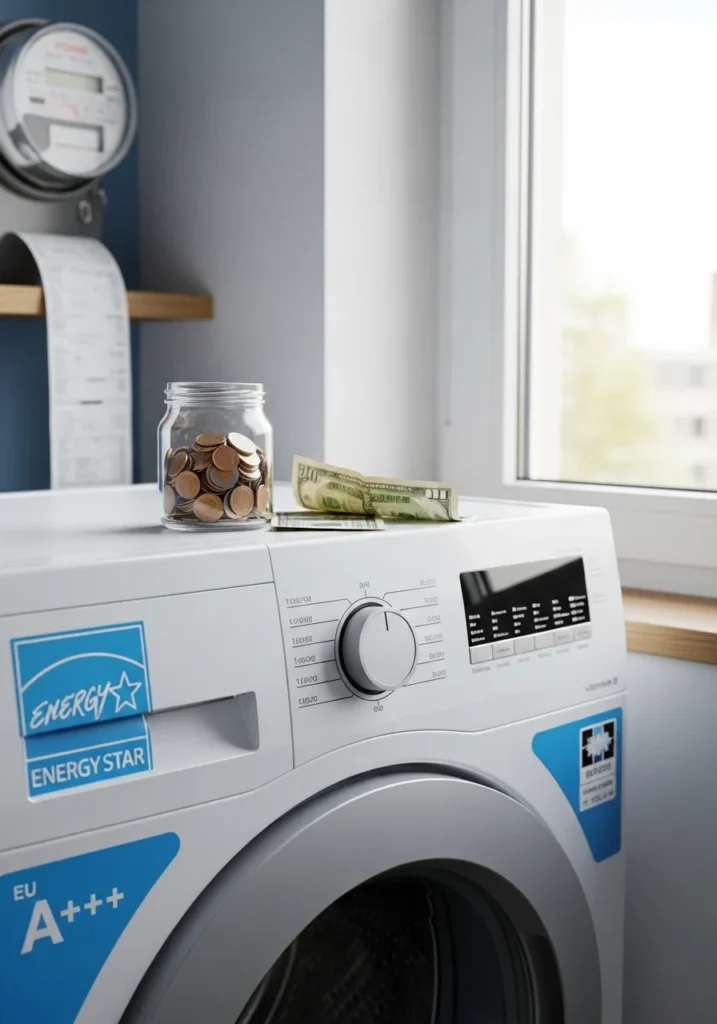
The running cost of a washing machine over its lifetime often exceeds the purchase price, which makes energy efficiency ratings one of the most important factors to check before you buy.
Machines with higher efficiency ratings use less electricity and water per cycle, and those savings compound significantly over years of daily or weekly use.
Look for machines rated A or higher on the energy efficiency scale in markets that use the EU energy label system. In other markets, look for Energy Star certification or equivalent ratings.
The upfront cost of an efficient machine is almost always offset by lower running costs within a few years.
Cold water washing is another efficiency win worth mentioning. Modern detergents work effectively at lower temperatures, and washing at 30 degrees Celsius instead of 60 degrees uses significantly less energy per cycle.
A machine with a good cold wash program gives you that option without sacrificing cleaning performance.
Smart Washing Machines: Genuinely Useful or Just Expensive?
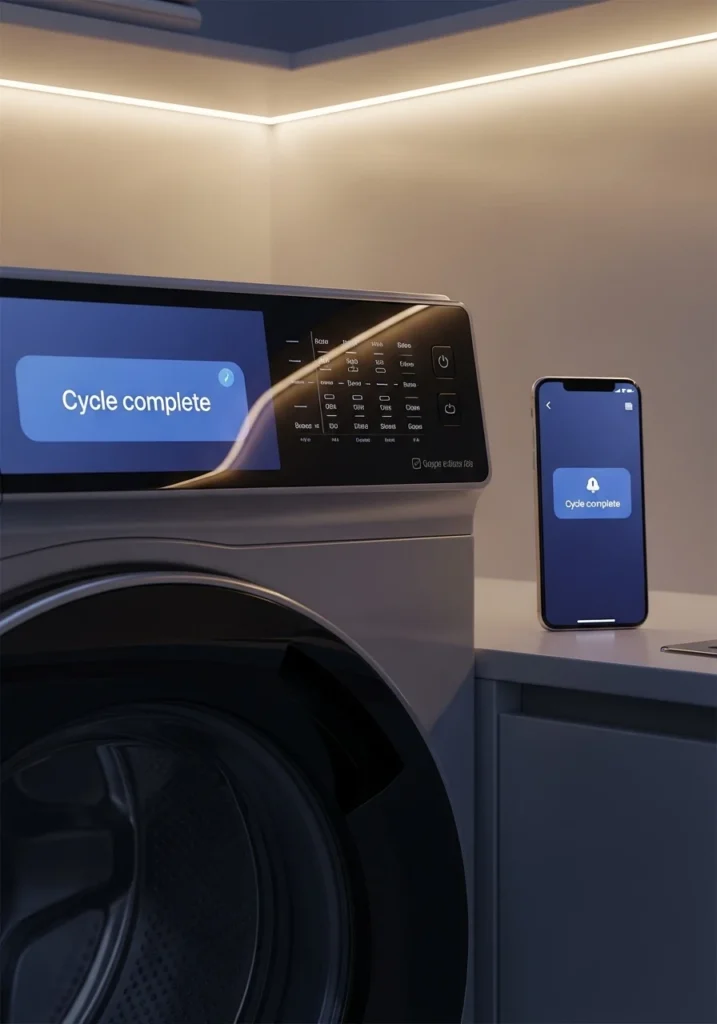
Smart washing machines that connect to your home Wi-Fi and let you control them from your phone sound like something from a product pitch that nobody asked for.
And yet, once you actually use a machine with app connectivity, a few features turn out to be genuinely practical.
Remote start and monitoring means you can load the machine before you leave for work and start it remotely so laundry finishes right when you get home.
Cycle notifications on your phone eliminate the problem of forgetting a load and rewashing musty clothes the next morning. If you have ever done that twice in one week, you know exactly why this feature earns its place.
What Smart Features to Skip
Not every smart feature justifies the premium.
AI-powered load detection and automatic detergent dispensing sound impressive but add complexity and potential points of failure without delivering proportional value for most households.
Keep your smart feature wishlist focused on connectivity and notifications, and you will spend less while getting most of the benefit.
Washing Machine Types for Specific Situations
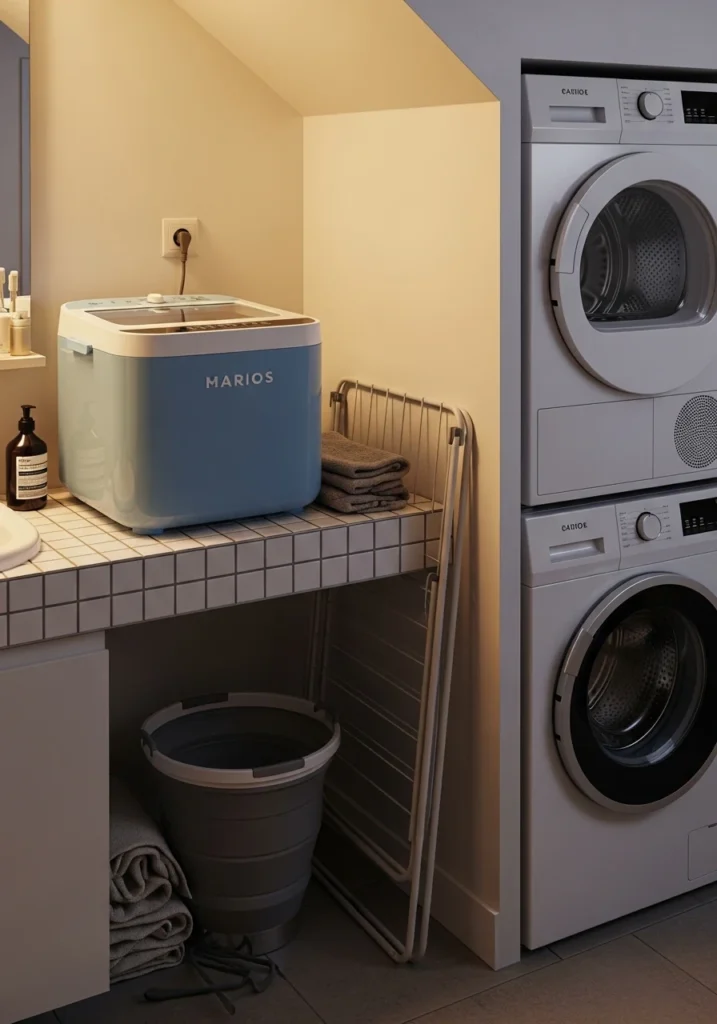
Not every home has a dedicated laundry room with standard-sized connections and unlimited floor space. Here is how to match the machine type to your living situation.
Compact and Portable Washing Machines
If you live in an apartment, a studio, or a home without dedicated laundry hookups, a compact washing machine or a portable countertop washer gives you a workable solution.
Compact machines typically handle three to five kilograms per load and connect directly to a kitchen faucet.
They do not replace a full-sized machine for large households, but for one person managing a week’s worth of clothes, they work surprisingly well.
Washer-Dryer Combos
A washer-dryer combination unit handles both washing and drying in a single machine and occupies the footprint of one appliance. This is an obvious win for small spaces.
The tradeoff is that combo units take longer to complete a full wash-and-dry cycle than running separate machines, and they typically handle smaller loads through the drying phase than the washing phase.
If space is your binding constraint, the convenience outweighs the slower cycle time.
The Best Washing Machine Brands Worth Considering
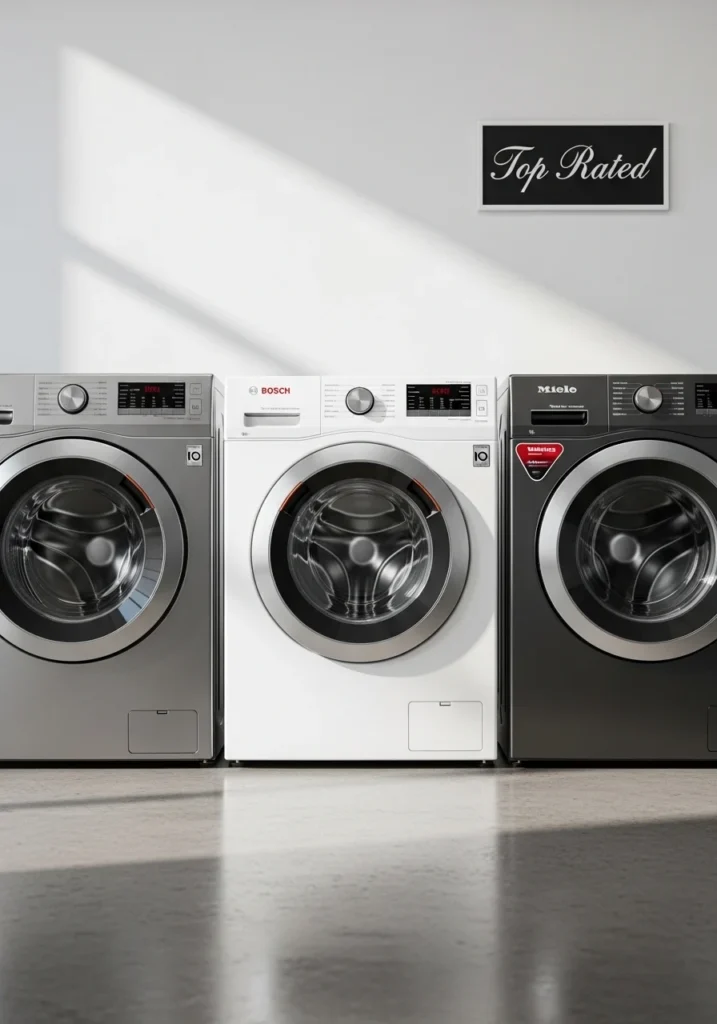
Certain brands have earned strong reputations for reliability, performance, and after-sales support over many years.
When you buy from a brand with a solid track record, you reduce the risk of expensive repairs and frustrating customer service experiences.
Brands that consistently receive high marks across independent reviews and long-term reliability studies include:
- LG: Consistently strong performers in front-load reliability and energy efficiency, with excellent smart features
- Samsung: Competitive across front and top-load categories with solid build quality and feature sets
- Bosch: A top choice for front-loaders, particularly valued for quiet operation and durability
- Miele: The premium option that costs significantly more upfront but offers exceptional longevity, often lasting 20 years with proper maintenance
- Whirlpool: Reliable top-loaders with wide service availability and a strong reputation in larger capacity machines
Your budget will ultimately determine where on this list you land, but any of these brands gives you a defensible starting point.
What to Expect to Pay
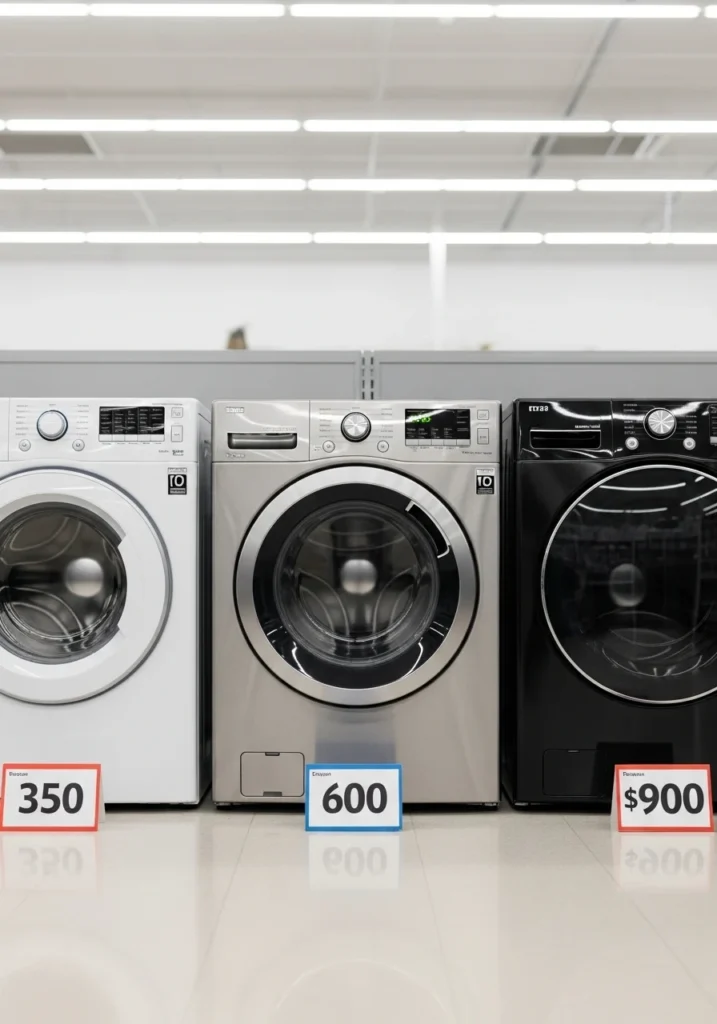
Washing machine prices span a wide range, and understanding what each price tier actually delivers helps you spend smartly.
- Budget range (under $400 / under 400 GBP): Basic cycles, adequate capacity, functional but limited efficiency and features
- Mid-range ($400 to $800 / 400 to 800 GBP): Better energy ratings, more cycle options, higher spin speeds, and improved build quality
- Premium ($800 and above / 800 GBP and above): Quieter operation, smart connectivity, superior fabric care, and longer expected lifespan
For most households, the mid-range delivers the best value. You get meaningfully better performance and efficiency than budget models without paying for features that only matter to very specific users.
Making the Final Call
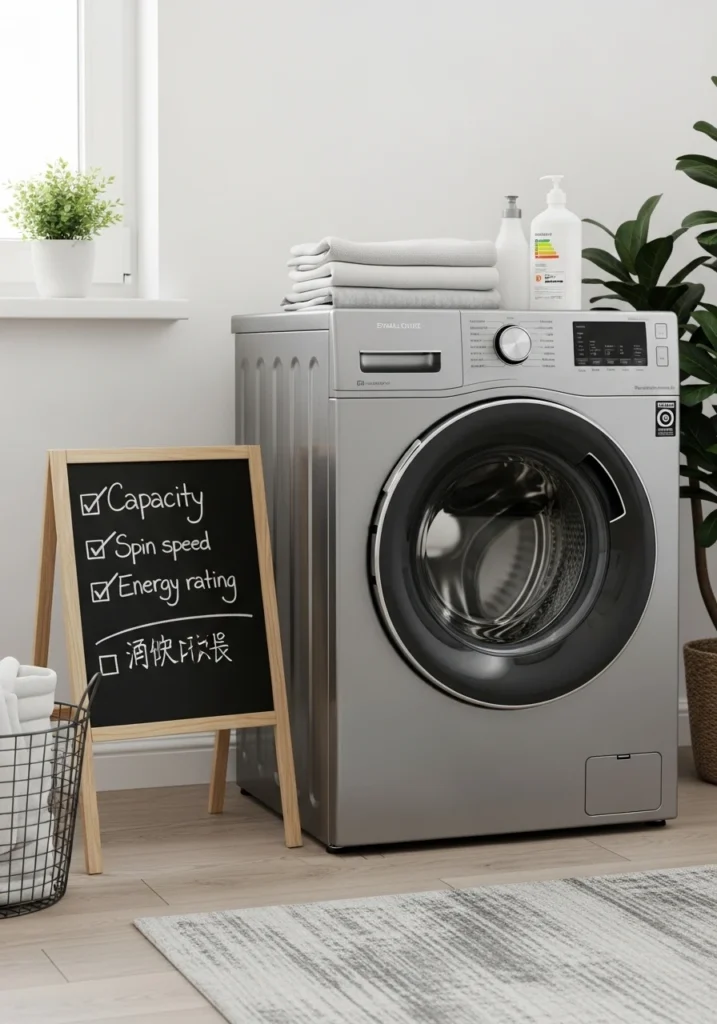
Choosing the best washing machine for your laundry routine comes down to four honest questions: How much laundry do you actually do?
How much space do you have? What is your realistic budget? And which features will you genuinely use week after week?
A front-load machine from a reputable brand, sized appropriately for your household, with a spin speed of at least 1200 RPM and a solid energy efficiency rating covers the needs of the vast majority of households at the mid-range price point.
Add smart connectivity if you find cycle notifications genuinely useful, and skip the features that sound impressive but require a PhD to operate.
Laundry is never going to be the highlight of your week. But the right washing machine makes it faster, cheaper, and considerably less annoying, and that is about as close to a laundry miracle as any of us are likely to get.
What Is the Best Type of Washing Machine for a Small Apartment?
A compact or portable washing machine is ideal for small apartments, especially without laundry hookups. Countertop portable washers connect directly to a kitchen faucet and manage small loads efficiently.
A washer-dryer combo is also a great choice. It combines both functions in one unit, saving floor space while fully washing and drying a load.
How Do I Choose the Right Washing Machine Capacity for My Household?
Match the machine’s capacity to your household size and laundry frequency. A 5 to 6 kg machine is good for one to two people. A 7 to 8 kg machine suits a family of three to four.
For larger households or frequent bulky washes, choose a machine of 9 kg or more. If you buy a machine that’s too small, you’ll need to run multiple loads. A machine that’s too large wastes water and energy on half-full drums.
Are Front-Load Washing Machines Really Better Than Top-Load Models?
Front-load washing machines use less water, spin faster, and are gentler on fabrics than most top-loaders. This makes them better for energy efficiency and fabric longevity.
However, high-efficiency top-loaders without agitators have improved significantly. They offer benefits like mid-cycle loading and a more upright position.
Your best choice depends on your budget, space, and whether you value efficiency or convenience more.
What Washing Machine Features Are Worth Paying Extra For?
The features that justify the higher price include a spin speed of at least 1200 RPM, a strong energy efficiency rating, a quick wash cycle for lightly soiled loads, and a sanitize or allergen cycle for those with allergies or young kids.
Smart connectivity is useful if you like remote start and cycle alerts. AI-powered load detection and automatic detergent dispensing may seem appealing, but they add complexity without offering much extra value for most users.
How Long Should a Good Washing Machine Last?
A good washing machine from a trusted brand usually lasts 10 to 15 years with regular use. Premium brands like Miele make machines that can last up to 20 years.
This long lifespan helps justify their higher price when you think about long-term value. You can extend any machine’s life by cleaning the drum and door seal often, not overloading it, and using the right detergent type and amount.