
You want silky smoothies, not chunky fruit soup. I get it. I once bought a cheap blender that promised “powerful performance,” and it wheezed at a handful of frozen mango like it needed a nap. Ever since then, I take blenders very seriously.
If you’re wondering how to choose the best blender for smoothies, you’re in the right place. I will walk you through exactly what matters, what does not, and how to avoid wasting money on a shiny countertop decoration that barely blends.
Start With Power: Watts Actually Matter
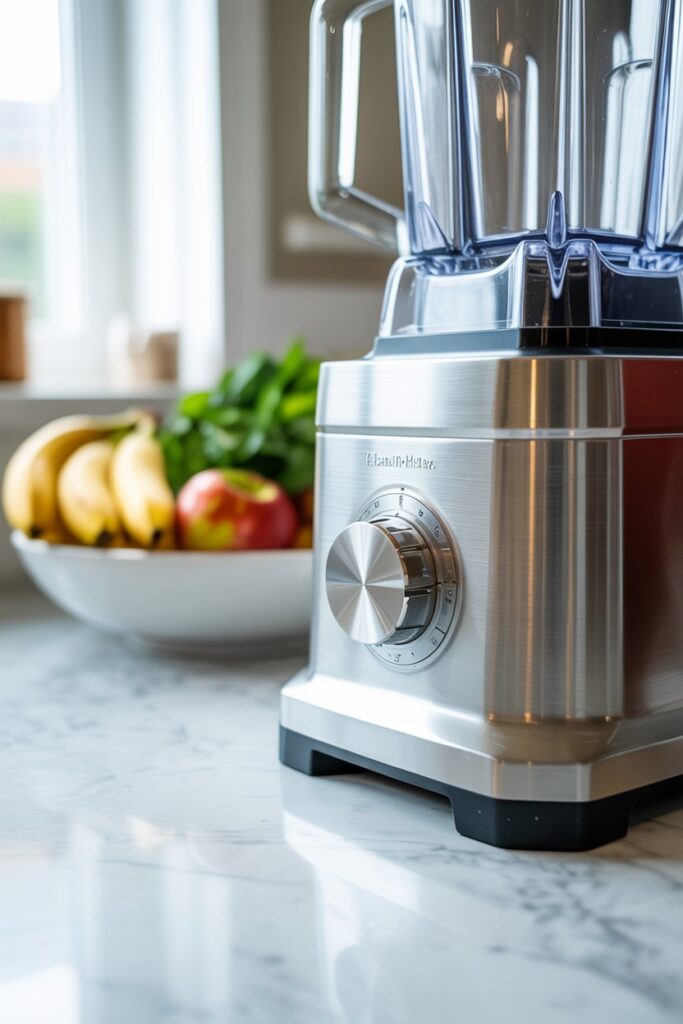
Let’s clear something up. Smoothies demand power. If you love frozen berries, ice cubes, or nut butter, you need a motor that can handle them without crying for help.
How Many Watts Do You Really Need?
For smoothies, I always recommend:
- At least 600 watts for basic fruit smoothies
- 900 to 1200 watts for frozen fruit and ice
- 1400+ watts if you want ultra-smooth, café-level results
Why does this matter? Because low wattage means uneven blending. You will chew your “smoothie.” Nobody wants that.
I once tested a 500-watt model with frozen strawberries. It stalled twice. I stood there shaking the pitcher like that would magically help. It did not.
Blade Design: It’s Not Just About Sharpness
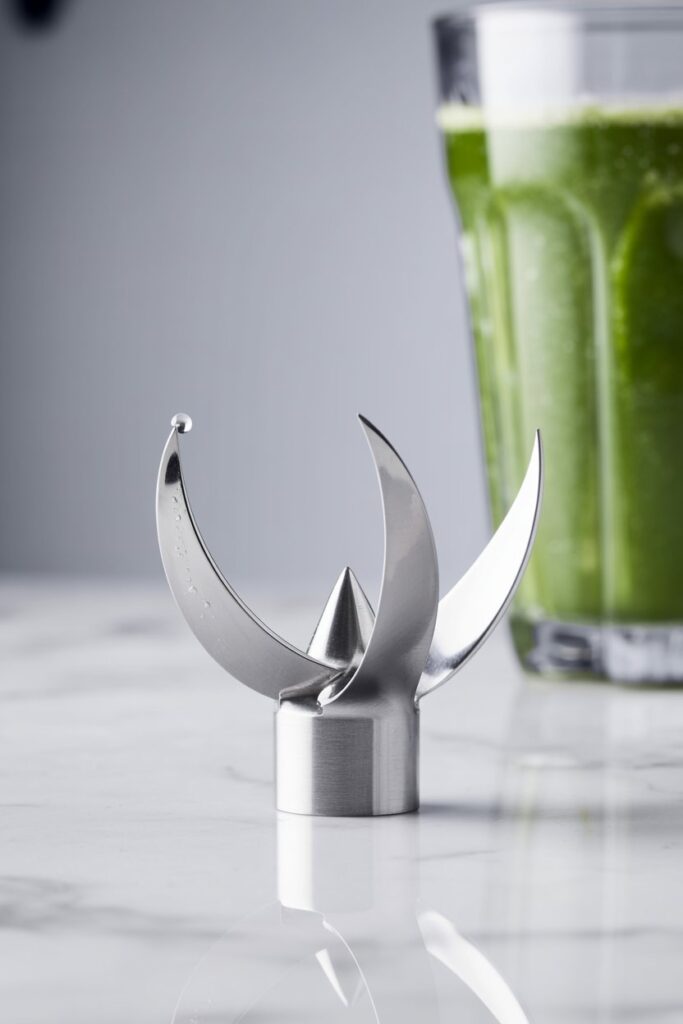
People obsess over motor power, but blade design plays a huge role in texture.
What to Look For in Blender Blades
Focus on:
- Stainless steel blades
- Multi-level or angled blade systems
- Thick, durable construction
Blades should create a vortex that pulls ingredients downward. If the blender pushes everything to the sides, you will spend your morning scraping down the jar. Fun, right?
High-quality blades crush ice quickly and pulverize leafy greens without leaving green confetti in your drink. Ever blended spinach and found tiny leaf bits stuck to your teeth? That usually means poor blade circulation.
Jar Material: Glass or Plastic?
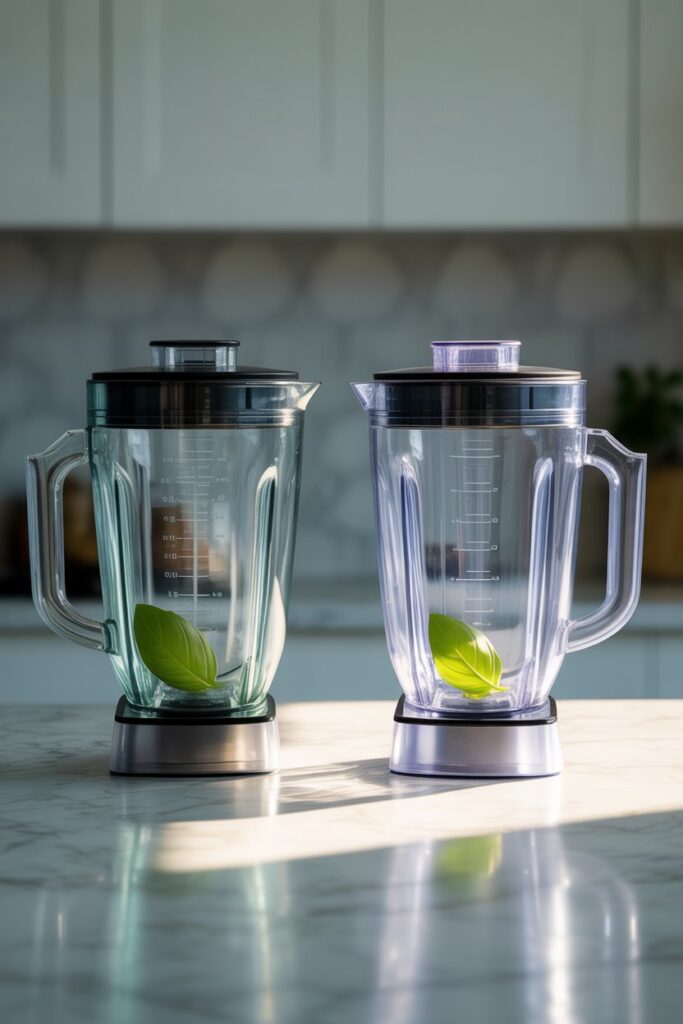
This choice sparks debates. I have used both, and each has strengths.
Glass Jars
- Heavier and more stable
- Resist scratches
- Do not absorb odors
Glass feels solid and premium. I like that it does not stain after blending turmeric or berries.
But glass weighs more. If you hate lifting heavy pitchers early in the morning, you might get annoyed.
BPA-Free Plastic Jars
- Lightweight
- More durable if dropped
- Often cheaper
Modern BPA-free plastic performs well. Just make sure you choose a high-quality model. Cheap plastic scratches fast, and scratches hold odors. Do you really want your strawberry smoothie tasting like last week’s garlic dip?
If I had to pick one for daily smoothie use, I lean toward high-quality BPA-free plastic because it feels practical and durable.
Size and Capacity: How Much Do You Actually Need?
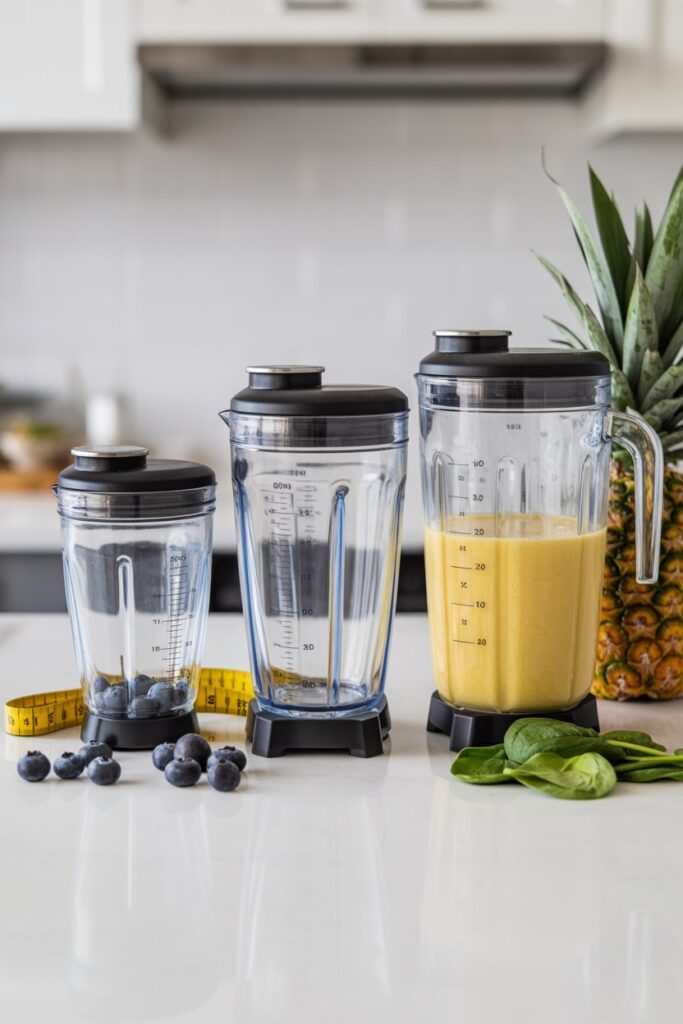
Be honest with yourself. Do you make one smoothie or five?
Single-Serve Blenders
Single-serve models work great if you:
- Live alone
- Want quick grab-and-go cups
- Hate washing large pitchers
You blend, twist the lid on, and leave. That convenience wins busy mornings.
Full-Size Blenders
Full-size models usually hold 48 to 72 ounces. They work best if:
- You make smoothies for family
- You meal prep
- You like batch blending
I prefer a full-size blender because I often prep two smoothies at once. Future me appreciates that.
Explore Full-Size Blenders For Families
Speed Settings and Controls
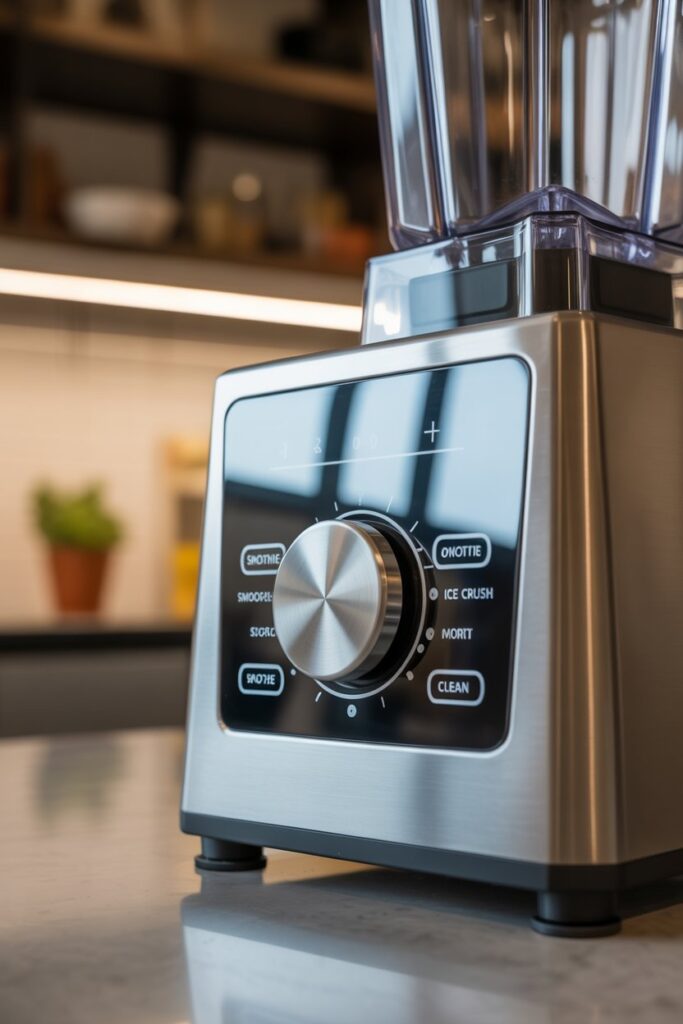
Some blenders come with 15 buttons. Do you need all of them? Probably not.
Manual Controls vs Presets
Manual controls give you flexibility. You control texture and timing.
Preset programs offer convenience. You press “Smoothie” and walk away.
I personally like having:
- At least 3 speed settings
- A pulse function
- A dedicated smoothie or ice crush option
Pulse matters more than people think. It helps break down tough ingredients before full blending. Ever tried blending whole almonds without pulsing first? That blender will fight back.
Build Quality and Durability
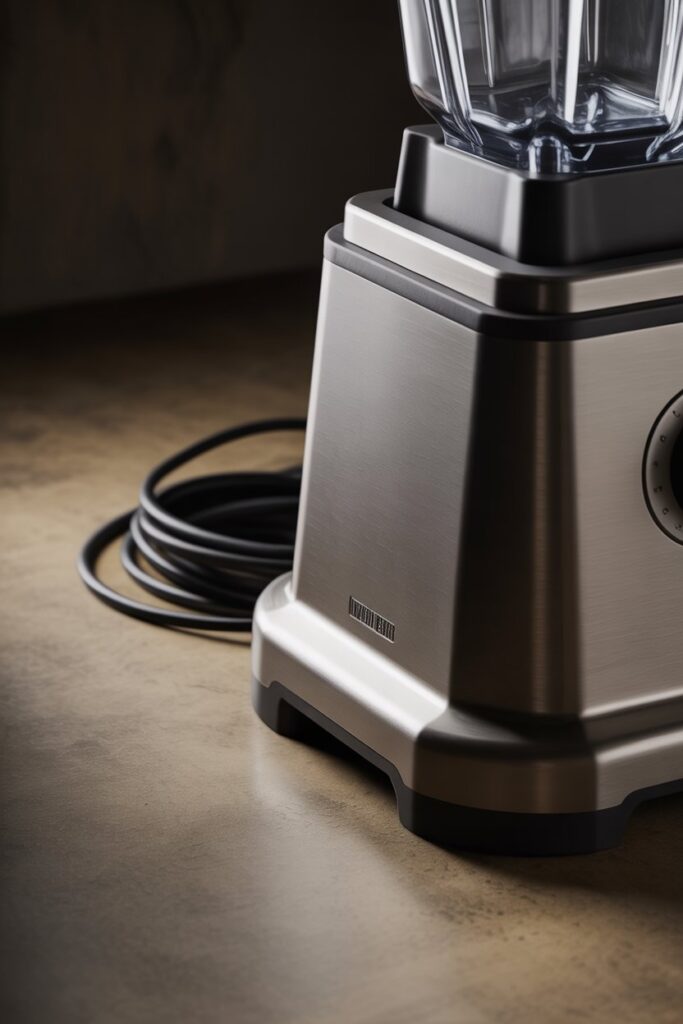
A blender should feel sturdy. When I pick one up, I check the base weight. A heavier base often means a stronger motor and better internal components.
Look for:
- Solid motor base
- Strong coupling between motor and blade
- Tight-fitting lid with vent cap
If the lid feels flimsy, expect leaks. I once redecorated my kitchen walls with purple smoothie. I do not recommend that design choice.
Noise Level: Because Mornings Matter
Let’s be honest. Blenders get loud. Some sound like small aircraft preparing for takeoff.
If you live in an apartment or wake up earlier than everyone else, noise matters.
High-powered blenders tend to be louder, but better insulation helps. Some premium models include sound enclosures. They cost more, but they save relationships.
Ask yourself: do you want a smooth drink, or do you want a peaceful household? Ideally, you get both.
Cleaning and Maintenance
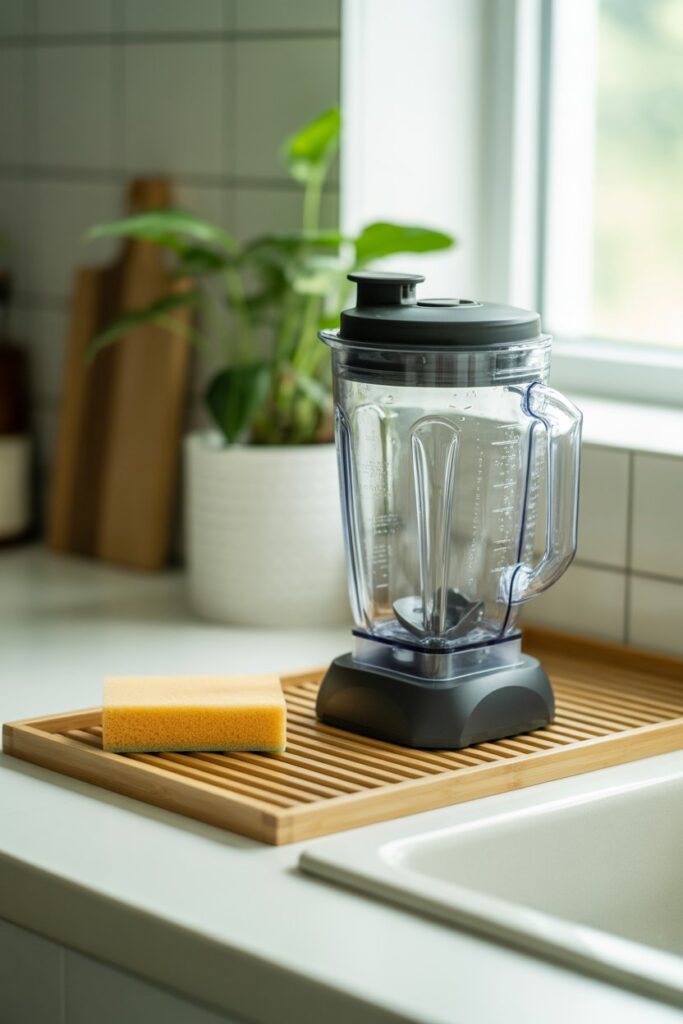
If cleaning feels annoying, you will stop using the blender. I learned that the hard way.
Easy Cleaning Features
Look for:
- Dishwasher-safe parts
- Smooth jar interior without deep ridges
- Self-clean function
Most blenders clean easily if you add warm water and a drop of soap, then blend for 30 seconds. Rinse and done.
If a blender has too many grooves and awkward corners, food will hide there. Mold loves that. Nobody else should.
Can It Handle More Than Smoothies?
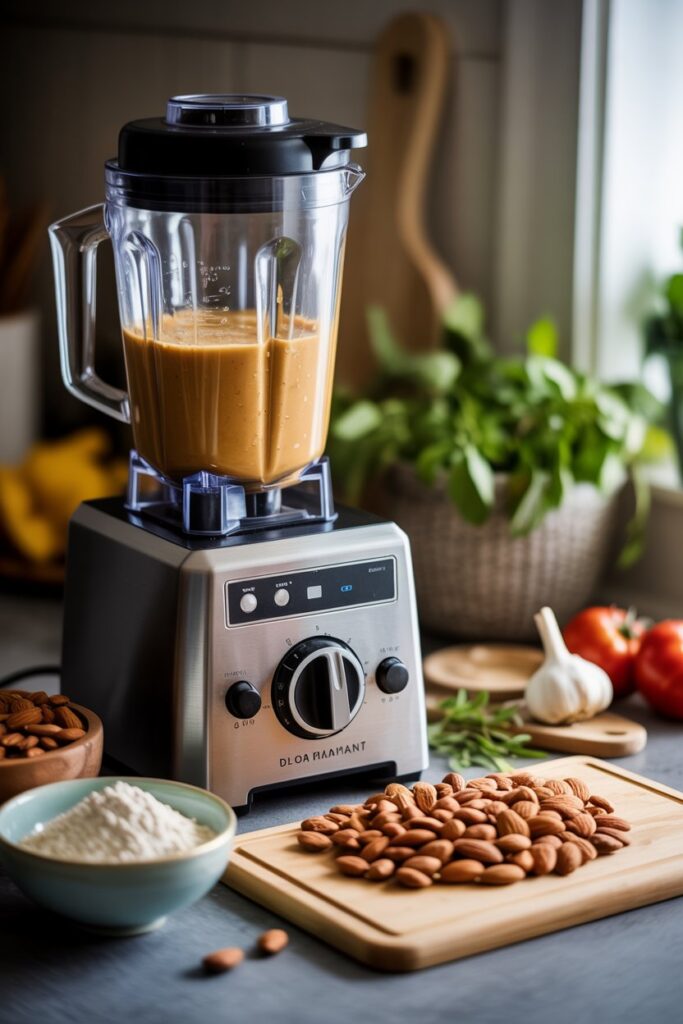
You might start with smoothies, but what about soups, sauces, or nut butter?
A powerful blender can:
- Blend hot soups
- Make almond or peanut butter
- Crush ice for cocktails
- Create silky sauces
Versatility adds value. I love knowing I can make hummus or pancake batter without dragging out another appliance.
If you only want smoothies, you can save money. But if you enjoy experimenting, choose a model with higher power and stronger blades.
Budget: How Much Should You Spend?
Let’s talk money.
You can find blenders from $30 to over $500. Price alone does not guarantee performance, but quality usually increases with cost.
Budget Range
- Basic smoothie blending
- Lower wattage
- Shorter lifespan
These work if you blend soft fruit and yogurt.
Mid-Range
- 900 to 1200 watts
- Stronger blades
- Better durability
This range hits the sweet spot for most people. I recommend this category for serious smoothie lovers.
Check Best Mid-Range Blenders On Amazon
High-End
- Commercial-level power
- Long warranties
- Exceptional texture results
If you want ultra-smooth results every time, premium models deliver. They cost more, but they feel like long-term investments.
Ask yourself: how often will you use it? Daily users should invest more. Occasional users can stay mid-range.
Warranty and Brand Reputation
A good warranty shows confidence. I always check this before buying.
Look for:
- At least 1-year warranty
- 5 to 7 years for premium models
- Strong customer reviews
A blender that lasts five years costs less over time than one you replace every year. Cheap often becomes expensive.
Common Mistakes People Make
I have made a few of these mistakes myself.
- Buying based only on price
- Ignoring wattage
- Overlooking jar size
- Forgetting about cleaning ease
Ever bought something that looked amazing online and disappointed you instantly? Avoid that feeling. Focus on performance, not hype.
How I Personally Choose a Blender
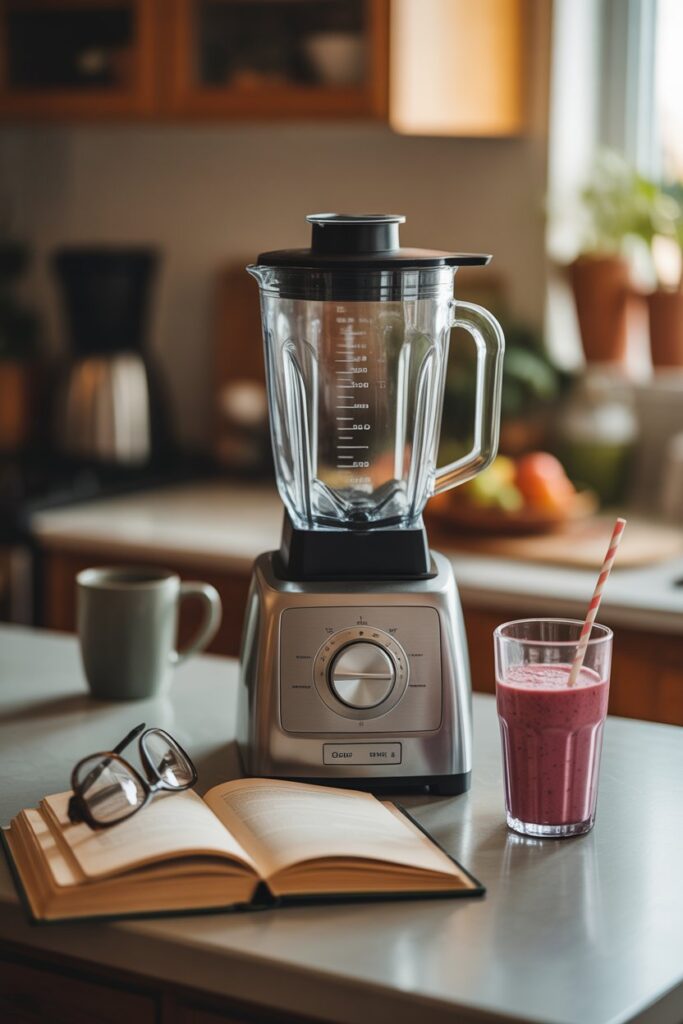
When I choose the best blender for smoothies, I follow a simple checklist:
- Minimum 900 watts
- Durable stainless steel blades
- BPA-free jar or sturdy glass
- Pulse function
- Easy cleaning
If a blender meets those five criteria, I consider it seriously. If it struggles with frozen fruit in demo videos, I move on.
I also read real customer reviews. People complain loudly when things break. That honesty helps.
See The Best Blenders For Smoothies On Amazon
Final Thoughts: Choose Smart, Blend Happy
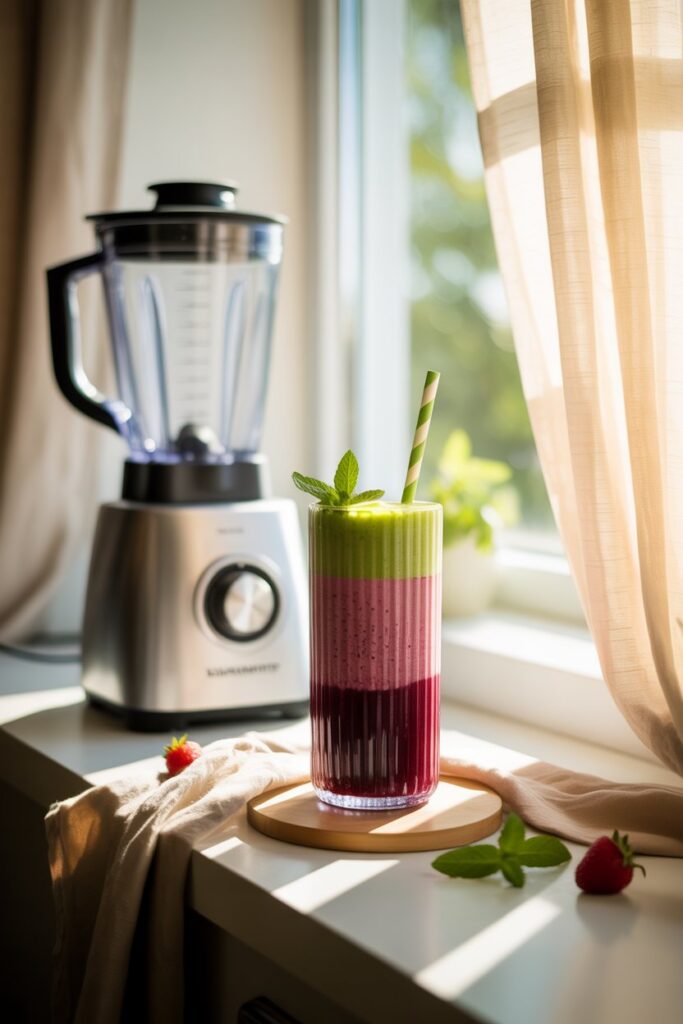
Choosing the best blender for smoothies does not need to feel complicated. Focus on power, blade quality, jar material, durability, and ease of cleaning. Ignore flashy marketing.
Ask yourself what you blend most often. Frozen fruit? Leafy greens? Nut butter? Let your habits guide your decision.
And please, do not buy the cheapest model and expect magic. I tried that once. My blender protested loudly, and so did my patience.
Pick wisely, treat it well, and you will enjoy creamy, smooth, café-quality drinks every morning. Sounds better than chewing your smoothie, right?
What Wattage Is Best for a Smoothie Blender?
If you want smooth, creamy results, choose a blender with at least 900 watts. Lower wattage models handle soft fruit well, but they struggle with frozen berries and ice. That struggle leads to chunky texture and uneven blending.
High-powered blenders, especially those above 1200 watts, crush ice and frozen ingredients effortlessly. If you make smoothies daily, investing in stronger wattage saves time and frustration.
Is a Glass or Plastic Blender Jar Better for Smoothies?
Both options work well, but each offers different advantages. Glass jars resist scratches and odors, while high-quality BPA-free plastic jars feel lighter and more durable if dropped.
Most smoothie lovers prefer BPA-free plastic because it feels practical for daily use. If weight does not bother you, glass offers a premium feel and long-term clarity.
Do I Need Multiple Speed Settings for Smoothies?
You do not need 15 buttons to make a great smoothie. However, you should look for at least three speed settings and a pulse function. Pulse helps break down frozen fruit before full blending.
Preset smoothie programs offer convenience, but manual control gives better texture control. If you like adjusting thickness, manual settings make more sense.
Can a Smoothie Blender Also Make Nut Butter and Soups?
Yes, but only if the blender has enough power. Models with 1000 watts or more can handle nut butter, hot soups, sauces, and even pancake batter.
Lower-powered blenders struggle with thick mixtures like almond butter. If you want versatility beyond smoothies, choose a high-performance model with durable blades.
How Long Should a Good Smoothie Blender Last?
A quality blender should last at least 3 to 7 years, depending on usage and brand quality. Premium models often include longer warranties, which show manufacturer confidence.
Daily use demands durable construction and strong internal components. Spending slightly more upfront often saves money over time because you avoid frequent replacements.