
Standing in a kitchen showroom, staring at two shiny ranges, price tags glaring back at you like they know something you don’t.
Which one actually deserves a spot in your kitchen? I’ve cooked on both, burned a few dinners on both, and I’m going to save you the guesswork.
This isn’t a “the internet told me so” kind of article.
I’ve lived with a gas range for years and switched to electric when I moved into a new place, so I know exactly where each one shines and where it lets you down. Grab a coffee and let’s sort this out together.
The Basic Difference (And Why It Actually Matters)
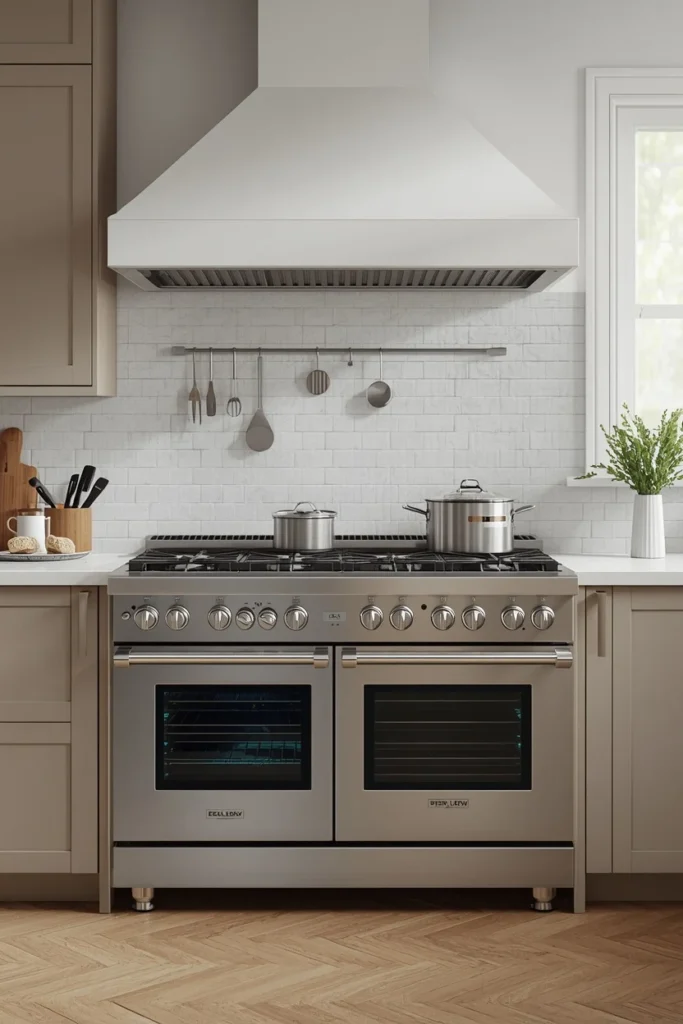
A gas range cooks with an open flame fed by natural gas or propane. An electric range heats up through coils or a smooth glass-top surface powered by electricity.
Sounds simple, right? But that one difference changes everything about how your food cooks, how fast your kitchen heats up, and even how your monthly utility bill looks.
Here’s the thing nobody tells you upfront: the “best” option depends entirely on how you cook, not on what looks nicer in a magazine spread.
A weeknight pasta-and-eggs cook has very different needs than someone who bakes elaborate cakes every weekend.
So instead of picking a side blindly, let’s break down what actually matters.
Heat Control: Where Gas Usually Wins
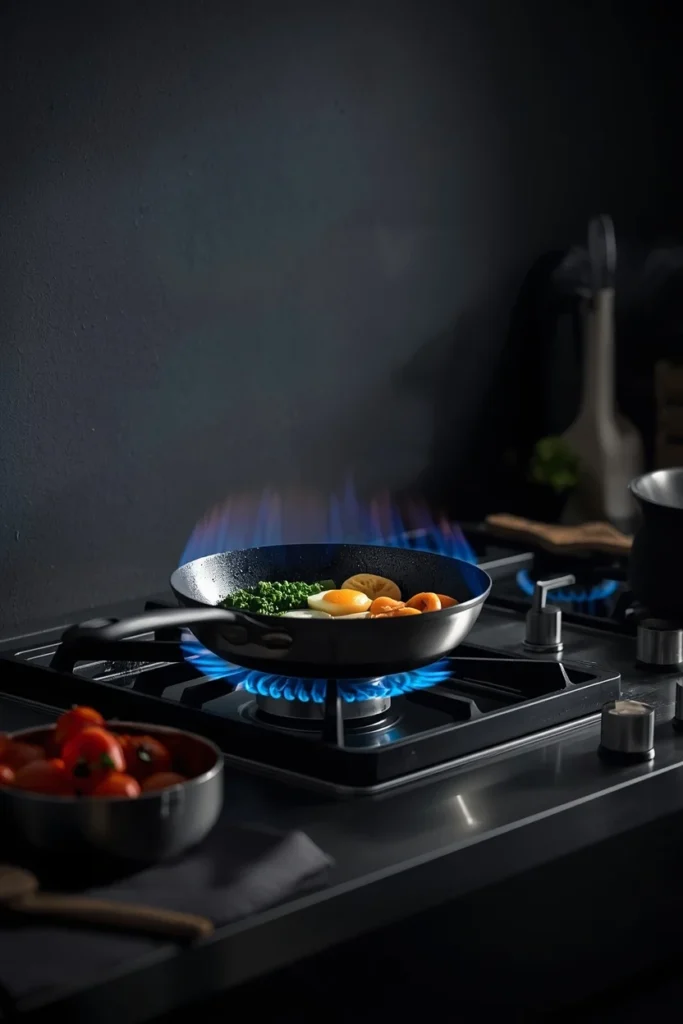
Ask any chef why they prefer gas, and you’ll hear some version of the same answer: instant control. Turn the knob, and the flame responds immediately. No lag, no guessing, no standing there wondering if the burner heard you.
- Instant temperature changes: Crank it up or down and the heat follows right away.
- Visual feedback: You can see the flame size, so you know exactly how much heat you’re working with.
- Better for high-heat techniques: Searing, wok cooking, and flambéing all benefit from that immediate flame response.
Electric ranges, especially the older coil types, tend to lag. You turn the dial down and the burner keeps blasting heat for a solid minute or two, like it didn’t get the memo.
Ever pulled a pan off an electric burner because it just wouldn’t cool down fast enough? Yeah, that’s the tradeoff.
Newer electric and induction models have closed that gap significantly, but if pure responsiveness is your priority, gas still takes the trophy here.
Even Cooking: Where Electric Fights Back
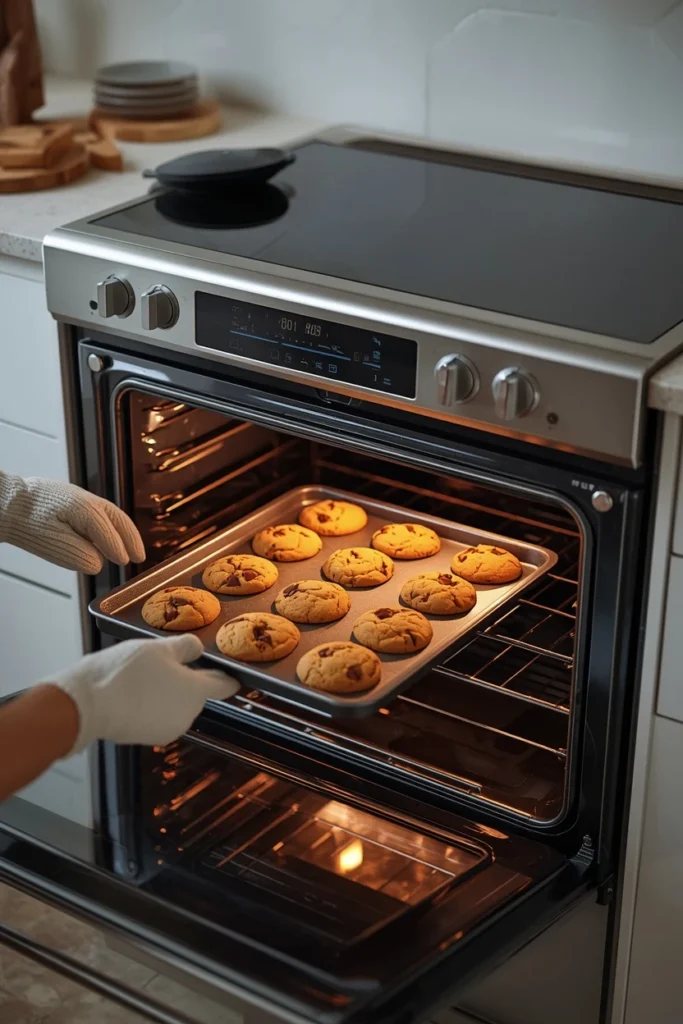
Here’s where electric ranges quietly earn their keep. Electric ovens generally distribute heat more evenly than gas ovens, which means your cookies bake at a consistent rate instead of coming out golden on one side and pale on the other.
Gas ovens create moisture as a byproduct of combustion, which can actually be a plus for certain baked goods but a minor annoyance for others.
Electric ovens run drier, giving you crispier crusts and more predictable results for delicate baking.
If you’re someone who bakes often, this matters more than you might think.
I didn’t fully appreciate this until I started making bread regularly and noticed my loaves turned out far more consistent on the electric oven than they ever did on gas.
A Quick Note on Glass-Top Electric Ranges
Glass-top electric ranges look sleek, and I get the appeal. But they scratch easily, show every fingerprint, and require specific cookware with flat bottoms to work properly.
If you love your cast iron skillet, check the manufacturer’s guidelines first, because some glass tops don’t play nice with heavy cookware.
Cost Considerations: Upfront and Long-Term
Let’s talk money, because nobody wants a surprise on their utility bill.
Upfront costs:
- Gas ranges typically cost a bit more upfront, especially if your home doesn’t already have a gas line installed.
- Electric ranges are usually cheaper to purchase and don’t require special line installation if you already have a standard outlet.
Ongoing costs:
- Natural gas is often cheaper than electricity per unit of energy in many regions.
- Electric ranges can pull more power, which shows up on your monthly bill depending on your local utility rates.
Your actual costs depend heavily on where you live, so it’s worth checking local utility rates before assuming one option saves you money.
I made the mistake of assuming gas would automatically be cheaper for me, and my bill proved me wrong within the first month.
Installation and Kitchen Setup
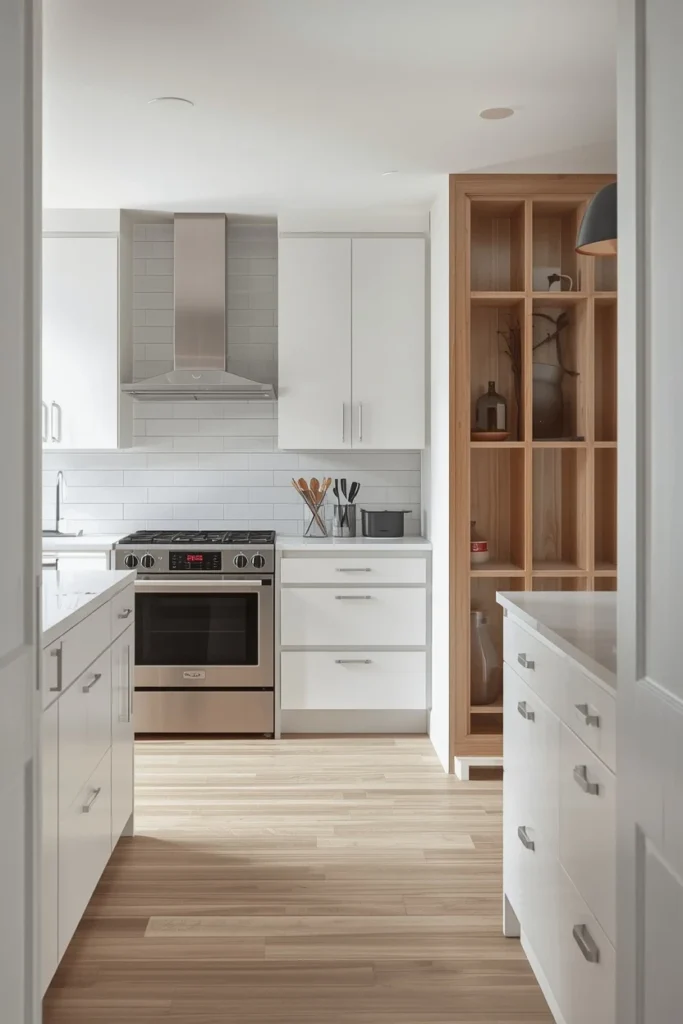
This is the part people forget about until it’s too late. Gas ranges require a gas line, and if your kitchen doesn’t already have one, installing it can get expensive fast.
You’ll also need proper ventilation since gas combustion releases byproducts into your kitchen air.
Electric ranges need a dedicated high-voltage outlet, usually a 240-volt connection, which most modern kitchens already have. Swapping an electric range is generally simpler, especially if you’re just replacing an existing unit.
If you’re renovating from scratch, factor in these installation differences before falling in love with either option. A gorgeous gas range means nothing if running a gas line costs you another few thousand dollars.
Safety Considerations Worth Knowing
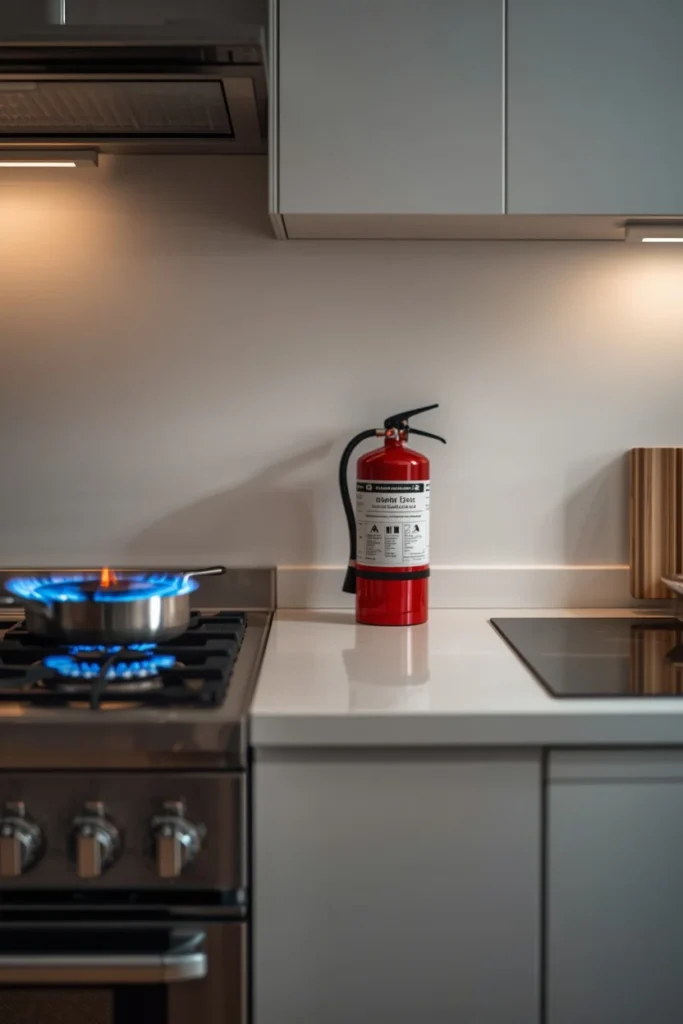
Nobody likes talking about safety until something goes wrong, so let’s just get it out of the way.
- Gas ranges carry a small risk of gas leaks, and open flames mean a slightly higher fire risk if you’re not paying attention.
- Electric ranges, particularly coil types, stay hot after you turn them off, creating a burn risk if you forget and touch the surface.
- Glass-top electric ranges retain heat and can crack if you drop something heavy on them.
Both options are safe when used properly and maintained well. The real risk usually comes from user error, not the appliance itself.
Keep a fire extinguisher nearby regardless of which one you choose, because kitchens are unpredictable places no matter how careful you are.
Maintenance and Cleaning
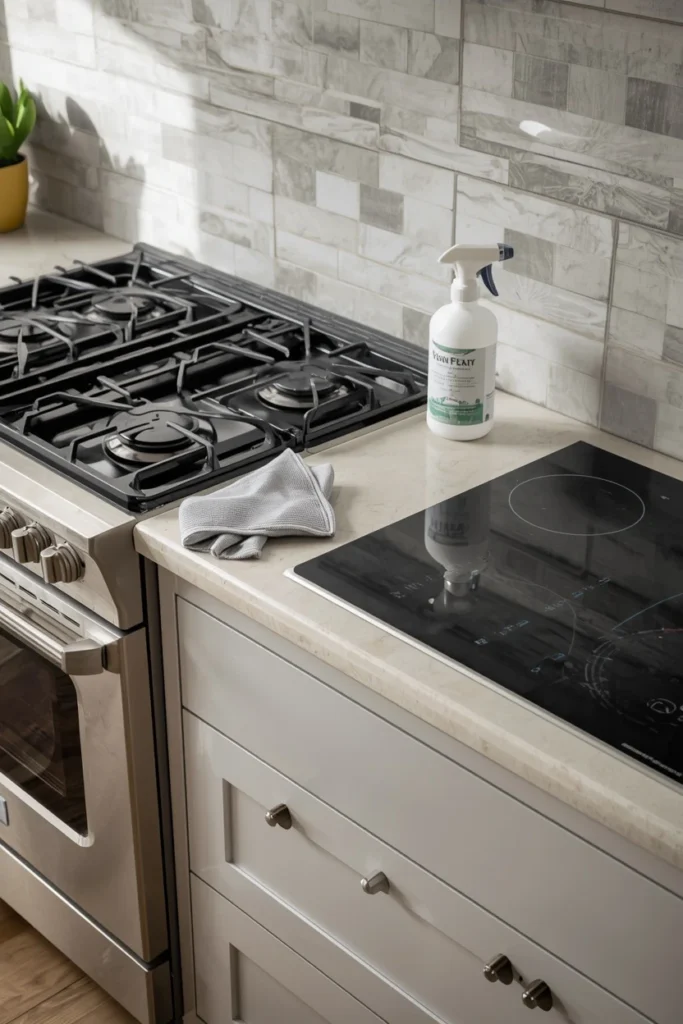
Cleaning habits genuinely differ between the two, and this might be the deciding factor for some of you.
Gas ranges:
- Grates and burner caps need regular removal and scrubbing.
- Food debris can fall into burner openings, requiring occasional deep cleaning.
Electric ranges:
- Coil types have removable burners that are fairly easy to wipe around.
- Glass-top ranges wipe clean quickly but show scratches and require specific cleaning products to avoid damage.
Honestly, glass-top electric ranges win for sheer convenience here. I can wipe mine down in under a minute after cooking.
My old gas range, on the other hand, needed a proper scrub-down every week or it started looking like a crime scene.
Which One Should You Actually Choose?
There’s no universal right answer, and anyone who tells you otherwise is probably selling something. Consider these factors before deciding:
- Cooking style: If you sear, stir-fry, or need instant heat adjustments, gas suits you better.
- Baking habits: If you bake often, electric ovens generally deliver more consistent results.
- Budget: Compare both upfront and long-term costs based on your local utility rates.
- Kitchen setup: Check whether you already have gas lines or the right electrical outlet.
- Maintenance tolerance: Decide how much scrubbing you’re genuinely willing to do on a weekly basis.
Think about how you actually cook on a Tuesday night, not how you imagine cooking during some hypothetical dinner party. That honest self-assessment will guide you better than any spec sheet.
Final Thoughts
Gas and electric ranges each bring real strengths to the table, and neither one is objectively superior. Gas gives you instant, visible heat control, which chefs and high-heat cooks tend to love.
Electric gives you even baking results and easier cleanup, which home bakers and busy households appreciate.
Your decision should come down to how you cook, what your kitchen setup allows, and what fits your budget both now and down the road.
I’ve genuinely enjoyed cooking on both, and honestly, my biggest regret isn’t picking the “wrong” one. It’s not asking about installation costs sooner.
So take a moment, think about your actual cooking habits, and choose the range that fits your life rather than someone else’s kitchen fantasy. Your future self, standing over a pan at 6pm on a Tuesday, will thank you.
Is A Gas Range Better Than An Electric Range For Home Cooks?
It depends on your cooking style. Gas ranges give you instant heat control, which suits high-heat techniques like searing and stir-frying, while electric ranges offer more even heat for baking and are generally easier to clean.
Do Gas Ranges Cost More To Install Than Electric Ranges?
Yes, in most cases. Gas ranges often require a dedicated gas line and proper ventilation, which can add significant installation costs if your kitchen doesn’t already have one, while electric ranges typically just need a standard 240-volt outlet.
Which Range Type Is Cheaper To Run Every Month?
Natural gas is often cheaper per unit of energy than electricity in many regions, but this varies by location and local utility rates. Check your area’s pricing before assuming either option will save you money.
Are Electric Ranges Safer Than Gas Ranges?
Both are safe when used correctly. Gas ranges carry a small risk of leaks and open-flame fire hazards, while electric ranges, especially coil types, stay hot after use and can cause burns if touched too soon.
Can I Use My Cast Iron Skillet On A Glass-Top Electric Range?
Many glass-top ranges can handle cast iron, but it depends on the manufacturer’s guidelines and how carefully you handle the cookware.
Always check the specific range’s manual first, since dragging or dropping heavy cookware can scratch or crack the glass surface.