
Your coffee maker either starts your day right or ruins it before 7 a.m. There’s no in between.
I’ve owned four coffee makers in the last six years, and I’ve learned the hard way that a bad one turns your morning ritual into a chore you resent.
So let’s talk about what actually makes a coffee maker worth your counter space, your money, and your patience.
I’ll walk you through the types, the features that matter, and the mistakes I made so you don’t have to repeat them.
Why Your Coffee Maker Choice Actually Matters
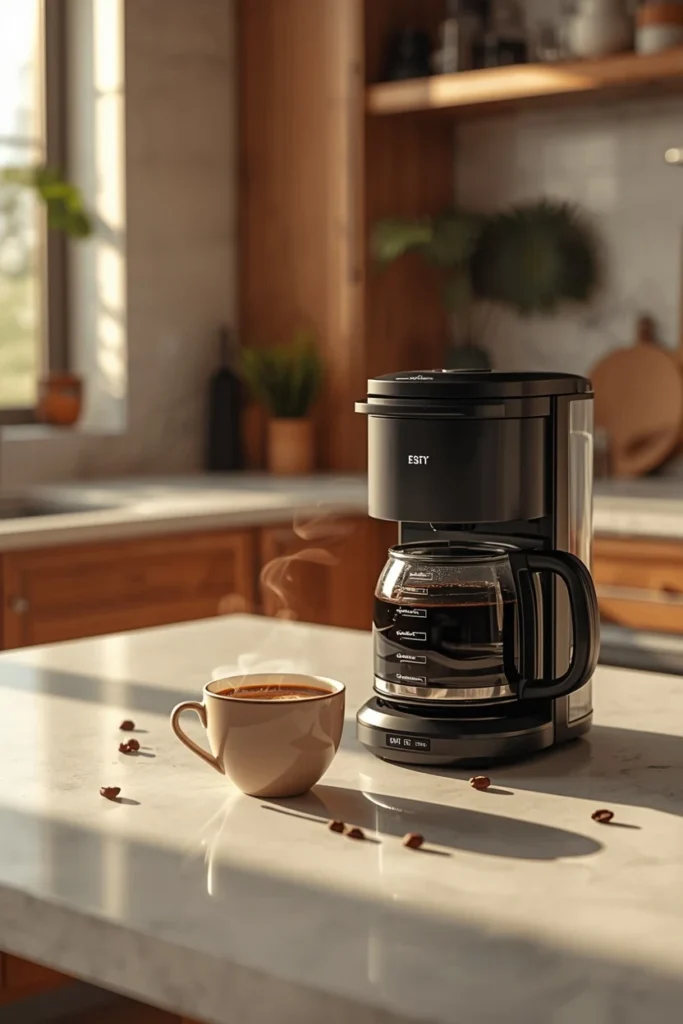
Think your coffee maker is just an appliance? It’s more like a daily relationship. You interact with it before you’ve even said a full sentence to another human being.
A good coffee maker saves you time, saves you money on coffee shop runs, and honestly makes your kitchen smell incredible.
A bad one leaves you standing there at 6 a.m., squinting at a machine that’s beeping for no reason while your coffee tastes like burnt cardboard.
I switched from a cheap drip machine to a proper one three years ago, and I genuinely stopped buying coffee on my commute. That’s not a small thing. That’s hundreds of dollars a year back in my pocket.
Types of Coffee Makers for Home Use
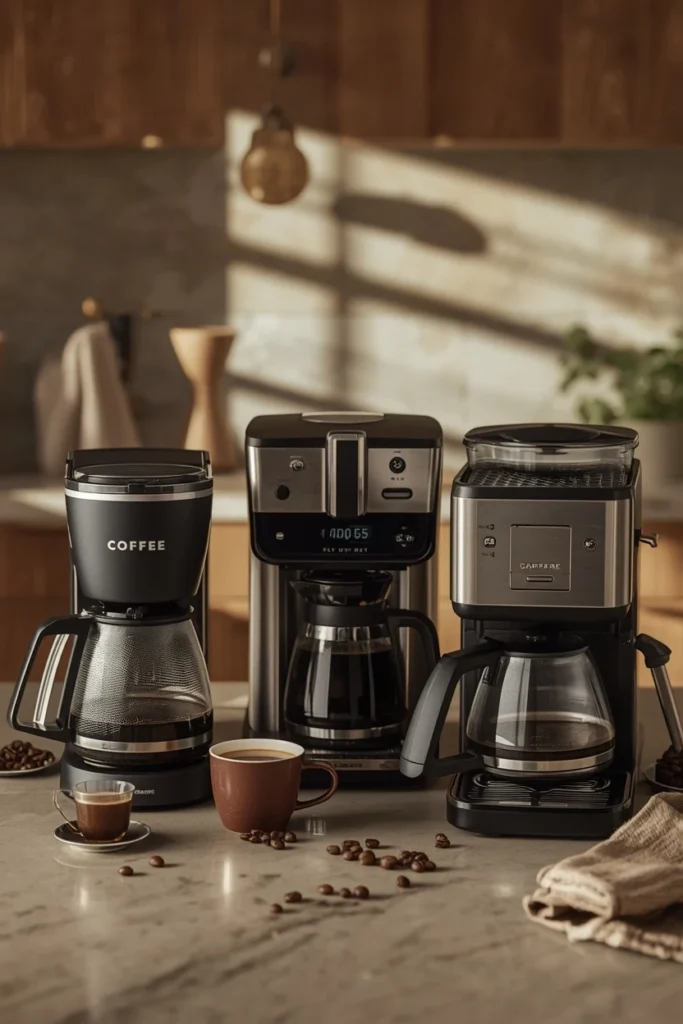
Not every coffee maker fits every lifestyle, and pretending otherwise is how people end up with a $400 espresso machine gathering dust. Let’s break down your real options.
Drip Coffee Makers
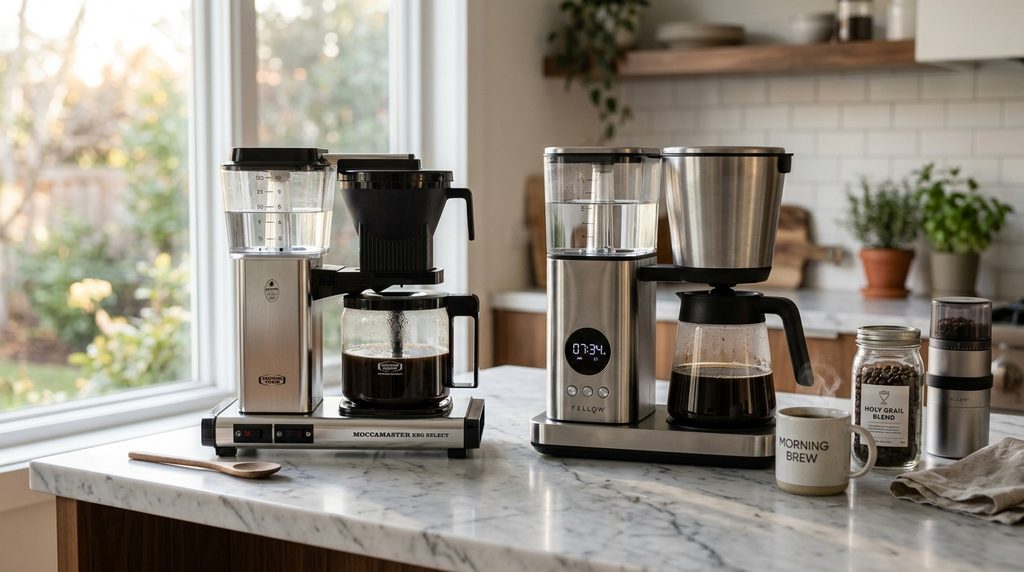
Drip machines are the reliable friend who never lets you down but also never surprises you. They’re simple, affordable, and they make a full pot without drama.
- Best for: households that drink multiple cups or serve guests regularly
- Price range: $30 to $150 for most home models
- Downside: flavor control is limited compared to other brewing methods
I owned a basic drip machine for years, and honestly, it did its job. It just never made me excited about coffee. It made coffee. That’s it.
Single-Serve Pod Machines
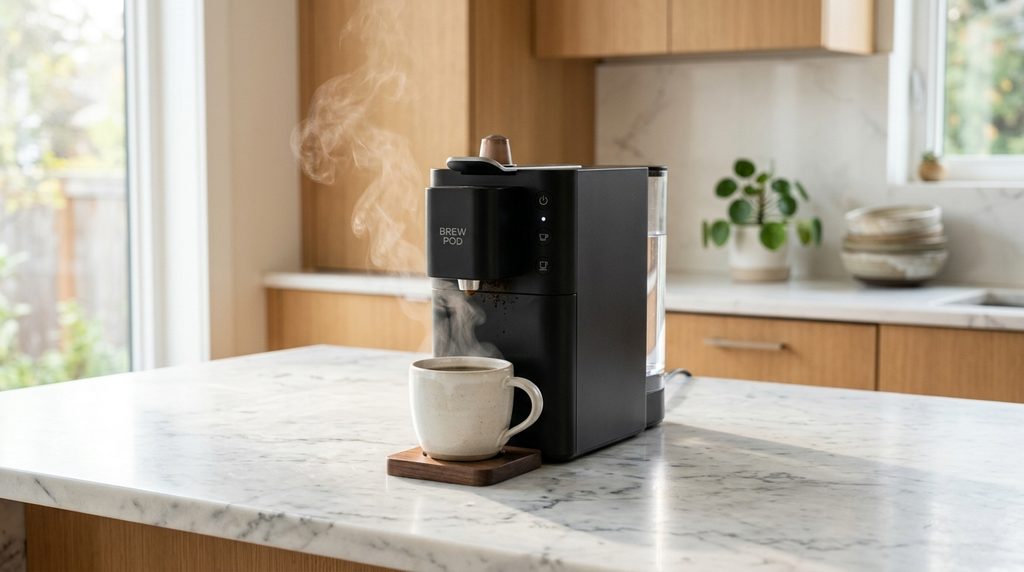
Ever needed coffee in under two minutes because you overslept? Pod machines exist for exactly that emergency. You pop in a pod, press a button, and you’re done.
- Best for: solo coffee drinkers or people who want zero cleanup
- Price range: $50 to $200
- Downside: pods cost more per cup and create more waste
My sister swears by hers. I think it’s convenient but a little wasteful, and the coffee never tastes as rich as freshly ground beans. Convenience has a price, and here it’s paid in flavor.
French Press
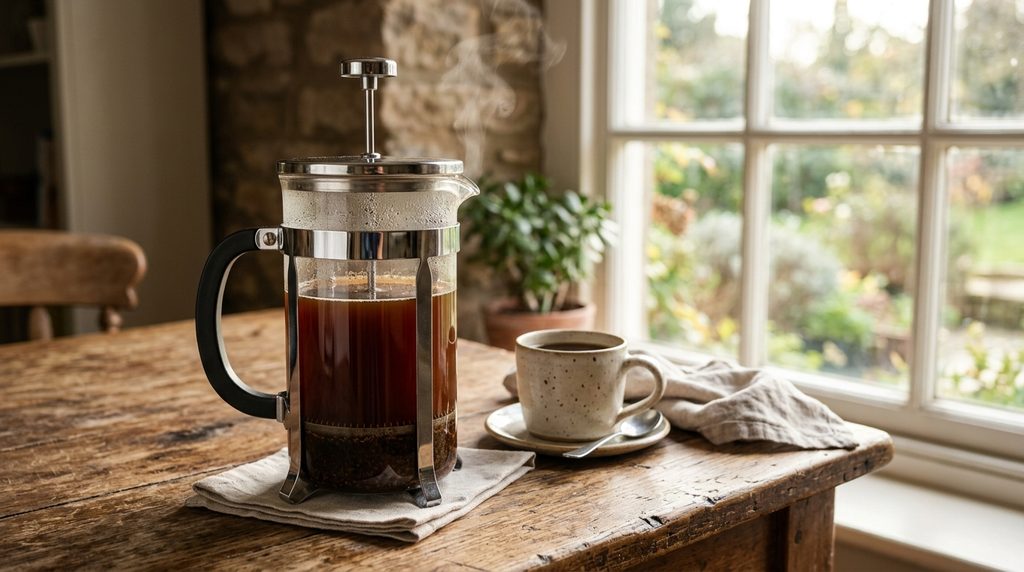
The French press is the coffee maker equivalent of doing things the old fashioned way, and somehow it still wins on taste. No electricity, no buttons, just hot water, grounds, and patience.
- Best for: people who want full-bodied, rich flavor
- Price range: $15 to $50
- Downside: requires more effort and manual cleanup
I keep one for lazy Sunday mornings when I actually want to slow down. It’s not for busy weekdays, but the flavor payoff is real.
Espresso Machines
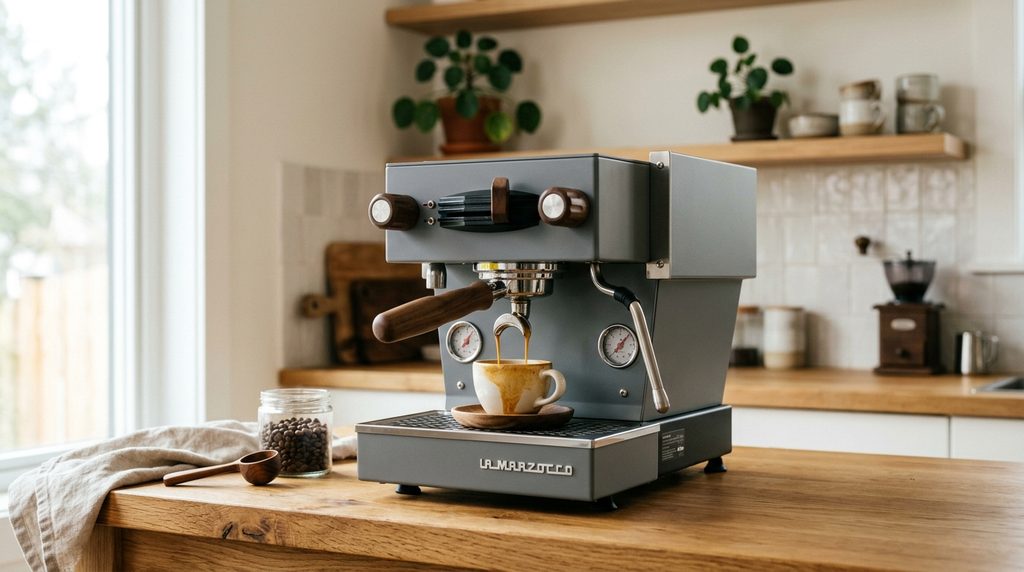
Espresso machines are where things get serious, and where your wallet starts sweating. If you love lattes, cappuccinos, or just a strong shot to kickstart your brain, this is your category.
- Best for: home baristas and people who love café-style drinks
- Price range: $100 for entry-level, up to $1,000+ for prosumer models
- Downside: steep learning curve and higher upfront cost
I bought a mid-range espresso machine last year, and I won’t lie, my first ten shots were undrinkable. Once I figured out grind size and tamping pressure, though, it became my favorite thing in the kitchen.
Percolators
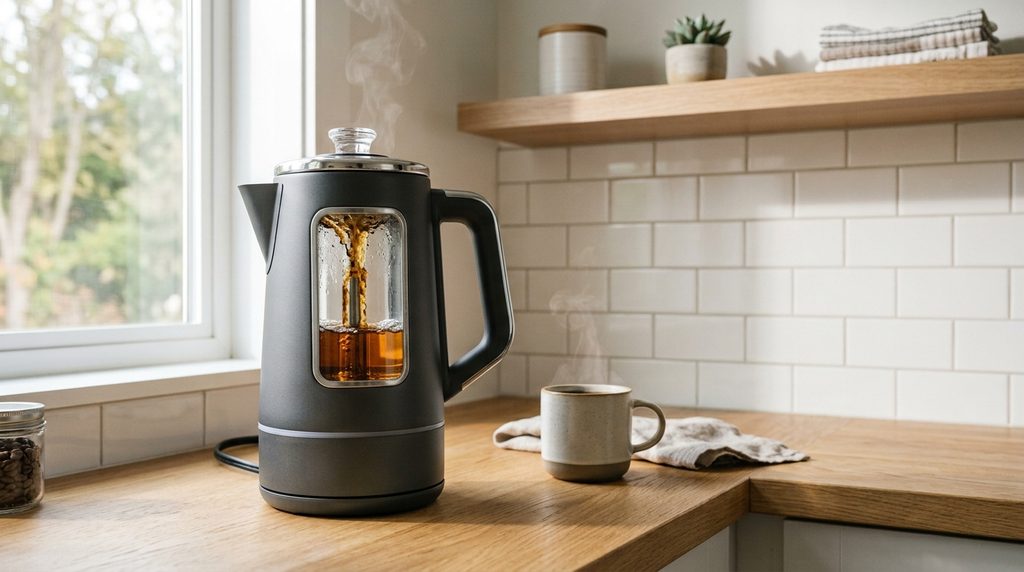
Percolators are a bit of a throwback, but they still have a loyal fan base, especially for camping trips or large gatherings. They brew strong coffee by cycling hot water through the grounds repeatedly.
- Best for: large groups or outdoor use
- Price range: $20 to $80
- Downside: can produce bitter coffee if left brewing too long
Key Features to Look For
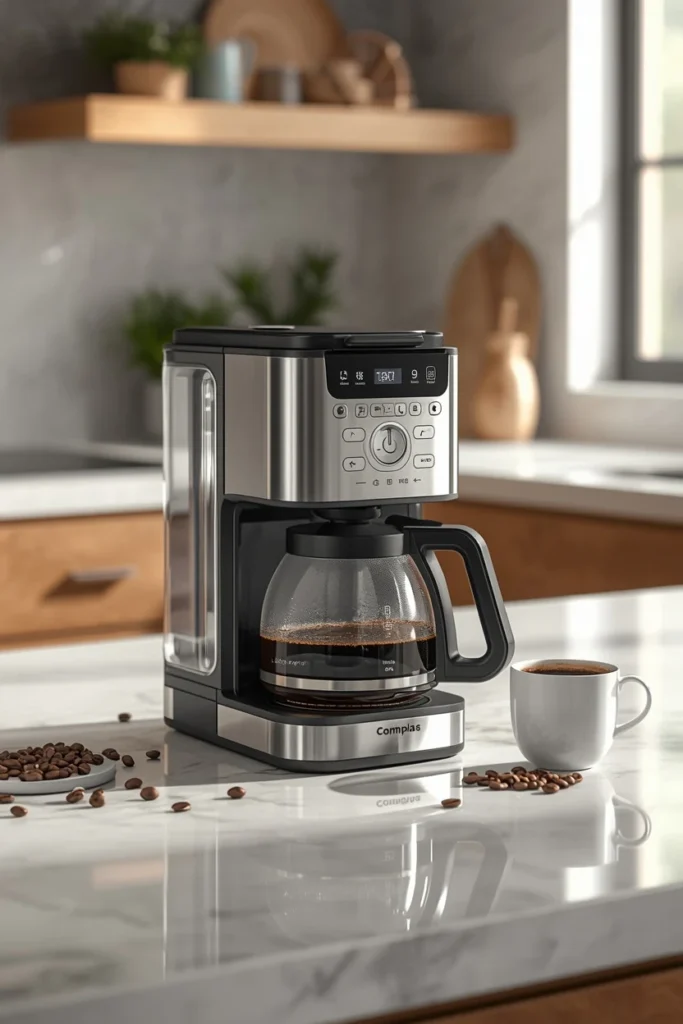
Choosing a coffee maker isn’t just about type. The details determine whether you love it or eventually shove it into a cabinet and buy a new one out of frustration.
Brewing Capacity
How many cups do you actually drink, and how many people are you making coffee for? Don’t buy a 12-cup machine if you live alone, and don’t buy a single-serve machine if you’re hosting brunch every weekend.
- 1 to 2 people: single-serve or small drip machine (4 to 6 cups)
- 3 to 5 people: standard drip machine (10 to 12 cups)
- Large households or entertaining: consider a machine with a larger carafe or a percolator
Brew Strength Control
Some machines let you adjust strength, and some just assume everyone wants the same watery experience. Adjustable brew strength is a feature I now consider non-negotiable after living without it for years.
Programmability
Want to wake up to the smell of fresh coffee instead of waking up and then waiting for coffee? A programmable timer changes your entire morning.
I set mine the night before, and it feels like a tiny gift from past me to present me.
Build Material and Durability
Plastic components tend to wear down faster and can affect taste over time. Stainless steel parts last longer and generally brew more consistent temperatures.
- Look for stainless steel carafes over glass if you want better heat retention
- Check reviews for how the machine holds up after a year of daily use, not just the first week
Ease of Cleaning
Nobody wants to disassemble a science experiment every morning. Removable, dishwasher-safe parts save you time and prevent that weird buildup that eventually messes with your coffee’s flavor.
Noise Level
This one gets overlooked constantly. Some espresso machines sound like a jet engine taking off, which is not ideal if anyone else in your home is still asleep.
Budget vs. Premium: What’s Actually Worth the Splurge
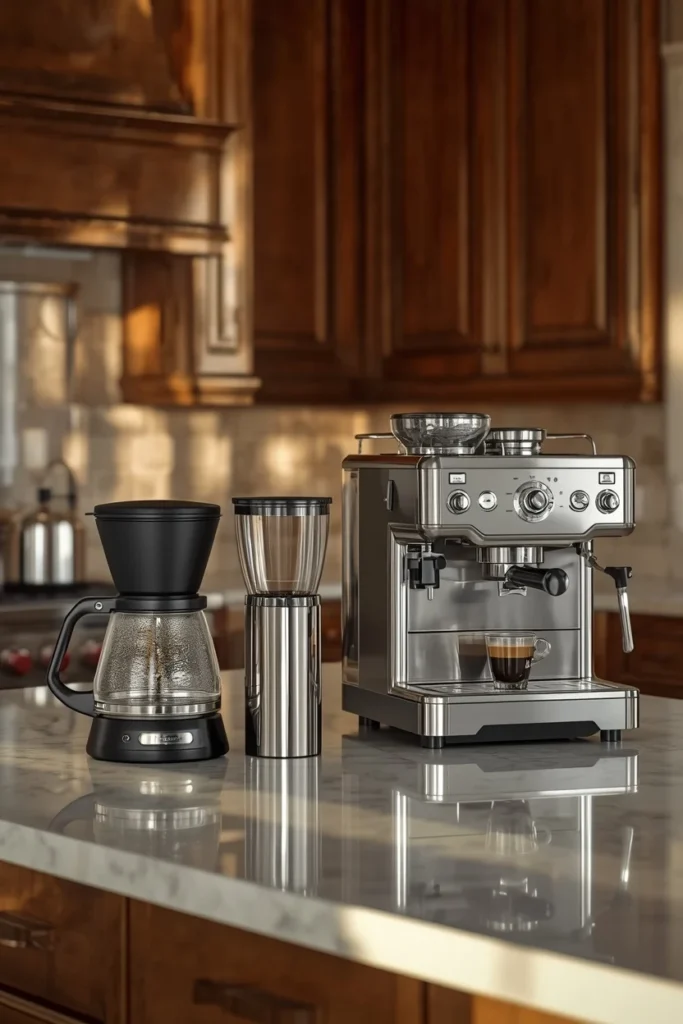
Here’s where I get a little opinionated, so bear with me. Not every expensive coffee maker is worth the price tag, and not every cheap one is a bad deal.
Where spending more genuinely pays off:
- Espresso machines, because cheap ones often produce weak, inconsistent shots
- Machines with built-in grinders, since freshness dramatically affects flavor
- Anything with a stainless steel carafe for better heat retention
Where you can save without regret:
- Basic drip machines, since even budget models brew decent coffee
- French presses, which barely vary in quality regardless of price
- Percolators, unless you need a heavy-duty model for frequent camping trips
I learned this lesson after buying an overpriced drip machine with “smart” features I never used. Meanwhile, my $25 French press has outlasted three other machines and still makes a better cup.
My Honest Recommendations
If I had to point you toward specific categories based on lifestyle, here’s how I’d break it down.
- Busy professional, lives alone: a single-serve pod machine or a compact drip machine with a timer
- Coffee purist who loves rich flavor: a French press, hands down
- Aspiring home barista: a mid-range espresso machine with a built-in grinder
- Big family or frequent host: a 12-cup drip machine with adjustable strength settings
- Camper or outdoor enthusiast: a sturdy percolator
None of these are wrong choices. They just serve different mornings, different budgets, and different levels of coffee obsession.
Final Thoughts
Picking the best coffee maker for home use really comes down to matching the machine to your actual routine, not to whatever looks impressive on a countertop.
Think about how many cups you need, how much effort you’re willing to put in, and how much flavor control matters to you.
I’ve made the mistake of buying based on looks and price alone, and I paid for it with years of mediocre coffee. Don’t repeat my mistake.
Figure out what your mornings actually need, invest in that, and let your coffee maker earn its spot in your kitchen instead of just occupying counter space.
Your future self, standing in the kitchen at 6 a.m. and desperate for caffeine, will thank you.
What Is The Best Coffee Maker For Home Use On A Budget?
A basic drip coffee maker or a French press gives you the most value for the least money.
Both brew a solid cup without the steep learning curve or price tag of an espresso machine, and a French press in particular barely varies in quality across price points.
Is A Drip Coffee Maker Better Than An Espresso Machine For Home Use?
It depends on what you actually drink. A drip coffee maker is better for brewing multiple cups quickly with minimal effort, while an espresso machine for home use is better if you want café-style drinks like lattes and cappuccinos.
Neither is objectively better, they just serve different coffee habits.
How Do I Choose The Right Coffee Maker For My Household Size?
Match the brewing capacity to how many people you’re actually serving each morning.
A single-serve or small drip machine works fine for one or two people, while households of three or more usually need a 10 to 12 cup drip machine to avoid brewing multiple rounds.
Do Expensive Coffee Makers Really Make Better Coffee?
Not always, and that’s the honest answer.
Espresso machines and models with built-in grinders tend to justify a higher price through better consistency and flavor, but basic drip machines and French presses perform nearly as well at a fraction of the cost.
How Often Should I Clean My Coffee Maker?
Clean removable parts like the carafe and filter basket after every use to prevent buildup that affects flavor.
Run a deeper descaling cycle with vinegar or a descaling solution once a month, especially if you notice slower brewing or a stale taste.