
Your gas range just died, or maybe your landlord banned it, or maybe you finally moved into a place with electric hookups and you’re staring at the kitchen wondering what on earth to buy.
I’ve been exactly there. I replaced my old gas stove with an electric range two years ago, and I spent a solid week reading spec sheets like they were bedtime stories.
Here’s the truth: electric ranges have come a long way, and some of them cook better than the gas stove you grew up with.
This guide walks you through the best electric ranges every home cook should know, why they earn their spot on the list, and how to pick the right one without losing your mind in the appliance aisle.
Why Electric Ranges Deserve More Credit
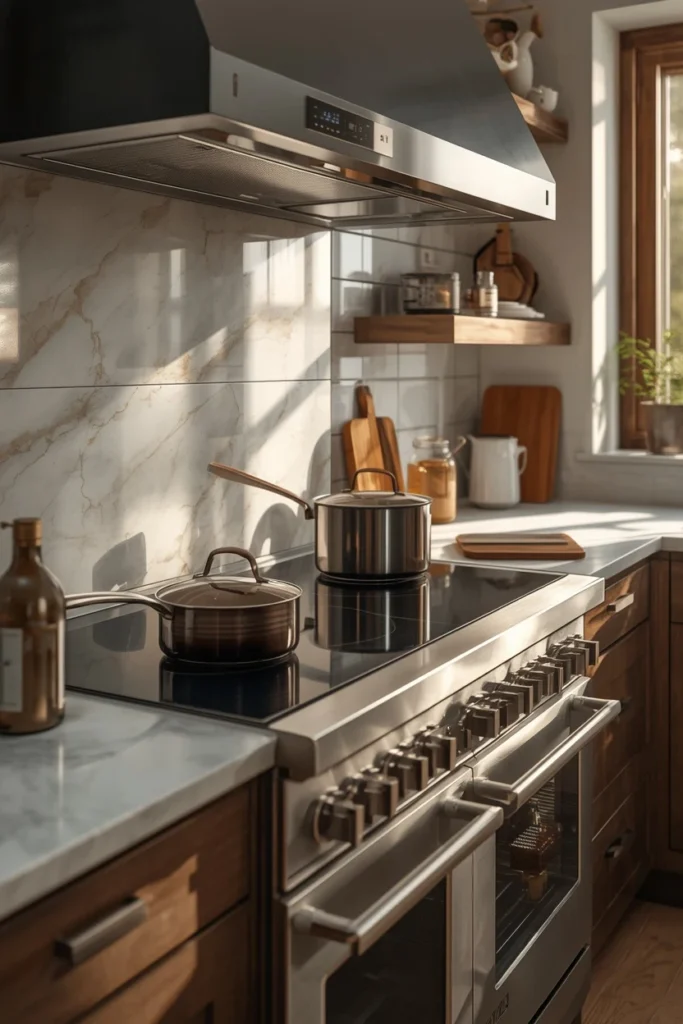
Electric ranges get a bad reputation they honestly don’t deserve anymore. People still picture those old coil burners that took forever to heat up and even longer to cool down. That’s not the current lineup we’re talking about.
Modern electric ranges, especially induction and smoothtop models, heat faster and hold a steadier temperature than a lot of gas burners.
Ever tried simmering a delicate sauce on gas and watched it boil over the second you looked away? Electric models, particularly induction, give you precise control that actually respects your attention span.
They’re also easier to clean. A flat glass surface wipes down in seconds, while gas grates practically demand a scrub brush and a prayer. If you hate cleaning as much as I do, this alone might sell you.
The Three Main Types of Electric Ranges
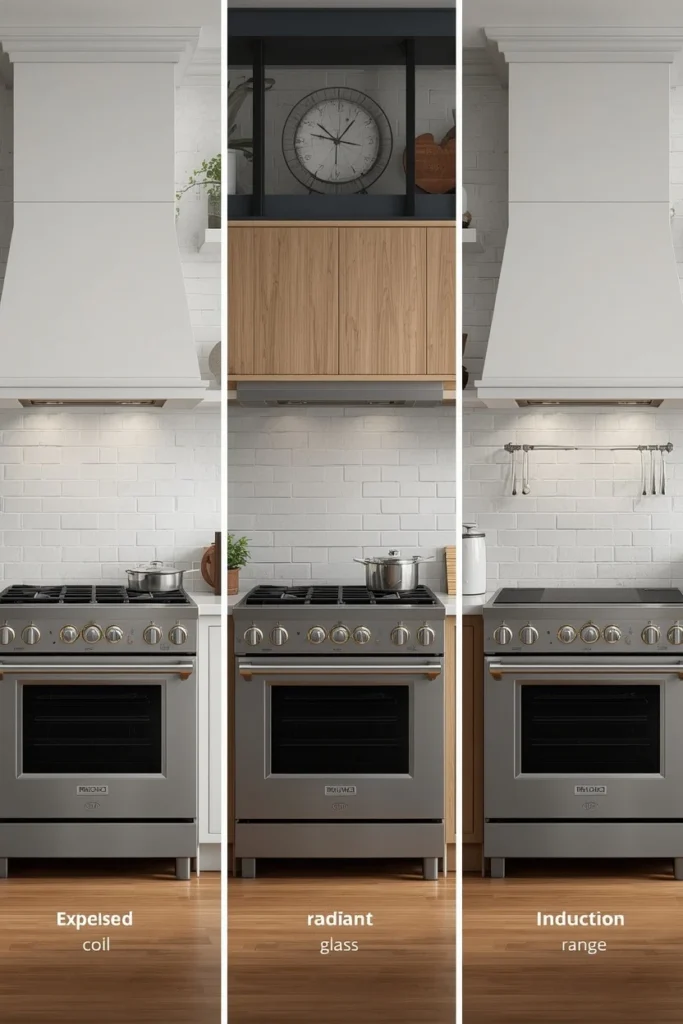
Before picking a specific model, you need to understand what you’re actually choosing between. Not all “electric ranges” work the same way, and mixing them up leads to buyer’s remorse.
Coil Ranges
These are the classic, budget-friendly option with exposed coil burners. They’re cheap and reliable, but they heat unevenly and take a while to respond when you adjust the temperature.
- Best for renters or tight budgets
- Simple to repair since parts are affordable
- Not ideal if you cook often or care about precision
Smoothtop (Glass Ceramic) Ranges
These use a flat glass surface with radiant heating elements underneath. They look sleek and clean up fast, which is why they dominate most kitchen showrooms today.
- Heats up faster than coil models
- Requires specific cleaning products to avoid scratches
- A solid middle ground between price and performance
Induction Ranges
Induction uses magnetic energy to heat the pan directly instead of heating the surface first. This means faster boil times, better temperature control, and a cooler cooktop surface.
- Requires magnetic cookware (cast iron and most stainless steel work fine)
- Most energy efficient option on this list
- Higher upfront cost, but the performance justifies it for serious cooks
Best Electric Ranges Every Home Cook Should Know
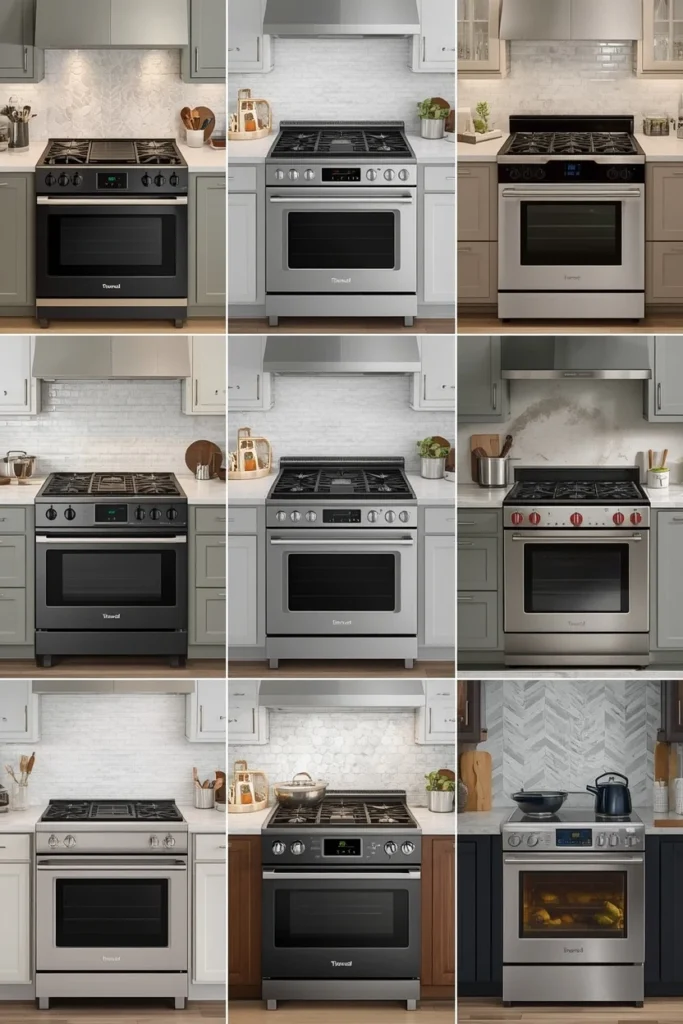
Now for the part you actually came here for. I’ve narrowed this down based on performance, reliability, and honestly, how much I’d want one in my own kitchen.
1. GE Profile Smart Slide-In Induction Range
This one converted me into an induction believer. The GE Profile line brings precise heat control, a built-in air fry function, and a sleek slide-in design that makes your kitchen look intentional instead of thrown together.
- WiFi-connected for remote monitoring
- Five induction elements with a bridge zone for larger cookware
- Self-cleaning oven that actually works without choking your kitchen in smoke
I tested a friend’s version of this range while helping her cook Thanksgiving dinner, and the oven held temperature so consistently that the turkey came out evenly browned without a single hot spot.
Try getting that from an old coil oven.
2. Samsung Bespoke Smart Slide-In Range
Samsung’s Bespoke lineup leans hard into customization, letting you swap panel colors to match your kitchen vibe.
But it’s not just about looks. The Flex Duo oven essentially gives you two ovens in one, which is a genuine game changer during holiday cooking.
- Air fry and steam cook settings built right in
- Smart features that sync with the SmartThings app
- Dual convection for more even baking results
Is it pricier than a basic smoothtop? Absolutely. Is it worth it if you host dinner parties or bake constantly? I’d say yes, and my sister who owns one agrees enthusiastically every time she talks about her banana bread.
3. Frigidaire Gallery Front Control Electric Range
Not everyone needs bells and whistles, and that’s exactly where Frigidaire’s Gallery series shines. It delivers reliable, no-nonsense performance at a price that won’t make you wince.
- Air fry mode included without the premium price tag
- Quick preheat option that shaves minutes off cooking time
- Front controls that keep curious kids and pets away from the knobs
I recommend this one constantly to friends who want something dependable without financing a small car to get it. It just works, and honestly, sometimes that’s all you need.
4. Café Smart Slide-In Induction Range
Café appliances target the design-conscious cook who still wants top-tier performance. This range brings restaurant-level induction cooking into a residential kitchen without demanding a professional budget.
- Customizable hardware finishes for a personalized look
- Precision cooking modes for baking, roasting, and simmering
- Fast, even heat distribution across all burners
If you’ve ever watched a professional chef adjust heat instantly on a cooking show and wondered how they do it, induction technology like this is the answer. It’s not magic, just really good engineering.
5. Whirlpool Electric Range with Frozen Bake Technology
Whirlpool built its reputation on dependable, everyday appliances, and this range keeps that tradition alive.
The Frozen Bake Technology eliminates the need to preheat before tossing in frozen foods, which honestly feels like a small miracle on a busy weeknight.
- Self-cleaning oven with multiple cycle options
- Even-Heat True Convection for consistent baking
- Budget-friendly compared to premium brands
This is the range I’d point a first-time homeowner toward. It handles the basics exceptionally well, and you won’t need a manual just to bake cookies.
What to Look For Before You Buy
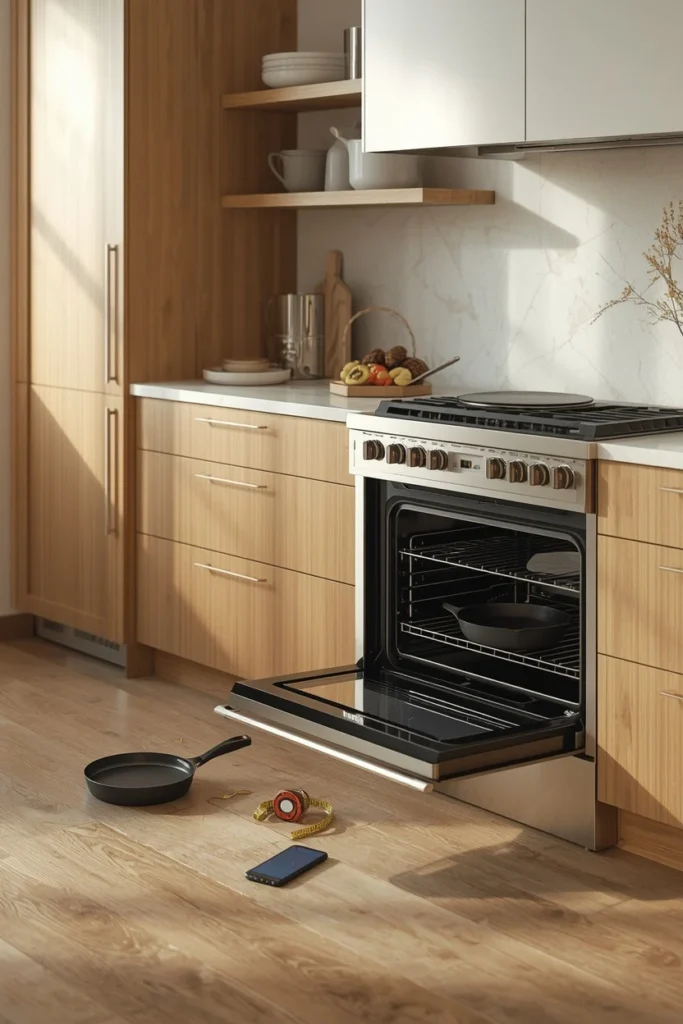
Picking the right electric range isn’t just about brand names. A few practical factors matter more than flashy features, and skipping them leads to regret.
Kitchen space and clearance: Measure your existing cutout before falling in love with a model. Slide-in ranges look gorgeous, but they require specific cabinet spacing that freestanding models don’t.
Cookware compatibility: If you’re going induction, check that your pots and pans are magnetic. A quick magnet test on the bottom of your favorite skillet tells you everything you need to know.
Oven capacity: Think about how you actually cook. Someone who bakes multiple trays of cookies needs more interior space than someone who mostly reheats leftovers.
Energy efficiency: Induction wins here every time, but even smoothtop models have improved significantly in recent years. Check the EnergyGuide label before you commit.
Smart features: WiFi connectivity and app control sound fancy, but ask yourself honestly whether you’ll use them. I love checking my oven temperature from the couch, but not everyone needs that convenience.
Coil vs Smoothtop vs Induction: Quick Comparison
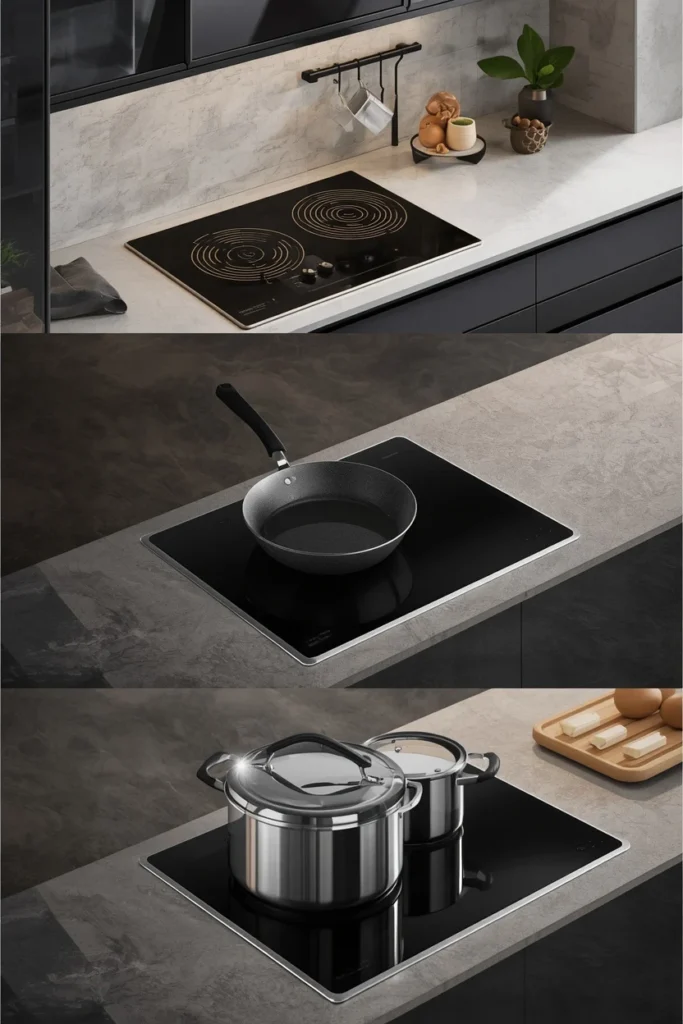
Trying to decide between the three types? Here’s a fast breakdown to settle the debate.
| Feature | Coil | Smoothtop | Induction |
|---|---|---|---|
| Heating speed | Slow | Moderate | Fast |
| Cleaning ease | Difficult | Easy | Easiest |
| Cookware needed | Any | Any | Magnetic only |
| Price range | Budget | Mid-range | Premium |
| Energy efficiency | Low | Moderate | High |
If budget rules your decision, coil or smoothtop makes sense. If performance and long-term savings matter more, induction earns back its higher price tag through efficiency and speed.
Final Thoughts
Electric ranges aren’t the consolation prize they used to be. Between smart features, faster heating, and induction technology that genuinely outperforms gas in several ways, there’s a model here for nearly every kitchen and budget.
Whether you land on the reliable Whirlpool, the design-forward Café, or the feature-packed GE Profile, you’re not settling anymore.
So go measure your kitchen, check your cookware, and pick the range that actually fits how you cook, not just how your kitchen looks in photos.
Your future dinners, and your patience during holiday cooking marathons, will thank you.
What Is The Best Electric Range For Home Cooks In 2026?
The GE Profile Smart Slide-In Induction Range tops the list for most home cooks because it combines fast, precise heating with a self-cleaning oven and smart features that actually earn their keep.
If you want a lower-cost option that still performs well, the Frigidaire Gallery Front Control Electric Range is a smart pick.
Is Induction Better Than A Regular Electric Range?
Induction heats faster, responds instantly to temperature changes, and keeps the cooktop surface cooler than traditional smoothtop models.
It costs more upfront, but the energy savings and cooking precision make it worth it for anyone who cooks often.
Do I Need Special Pots For An Induction Electric Range?
Yes, induction ranges require magnetic cookware to work properly. A quick way to check is to hold a magnet to the bottom of your pot or pan; if it sticks, you’re good to go.
How Long Do Electric Ranges Typically Last?
Most electric ranges last between 13 and 15 years with regular maintenance and reasonable use. Smoothtop and induction models tend to hold up well as long as you avoid dragging heavy cookware across the glass surface.
Are Electric Ranges Cheaper To Run Than Gas Ranges?
It depends on your local utility rates, but induction electric ranges are generally the most energy efficient option available today.
Smoothtop and coil ranges use more energy than induction, though they still tend to be comparable to or cheaper than gas in many regions.