
You are standing in the kitchen appliance aisle, staring at a $450 price tag on a mixer, and your brain is screaming “it just stirs stuff.” I get it.
I stared at that same price tag for two years before I finally caved, and I still remember the mix of excitement and buyer’s remorse I felt driving home with the box in my trunk.
So let’s settle this once and for all. Is the KitchenAid stand mixer worth the price, or is it just a shiny status symbol for people who post banana bread photos on Instagram?
I have used mine weekly for three years now, and I have opinions. Strong ones. Let’s get into it.
What You’re Actually Paying For
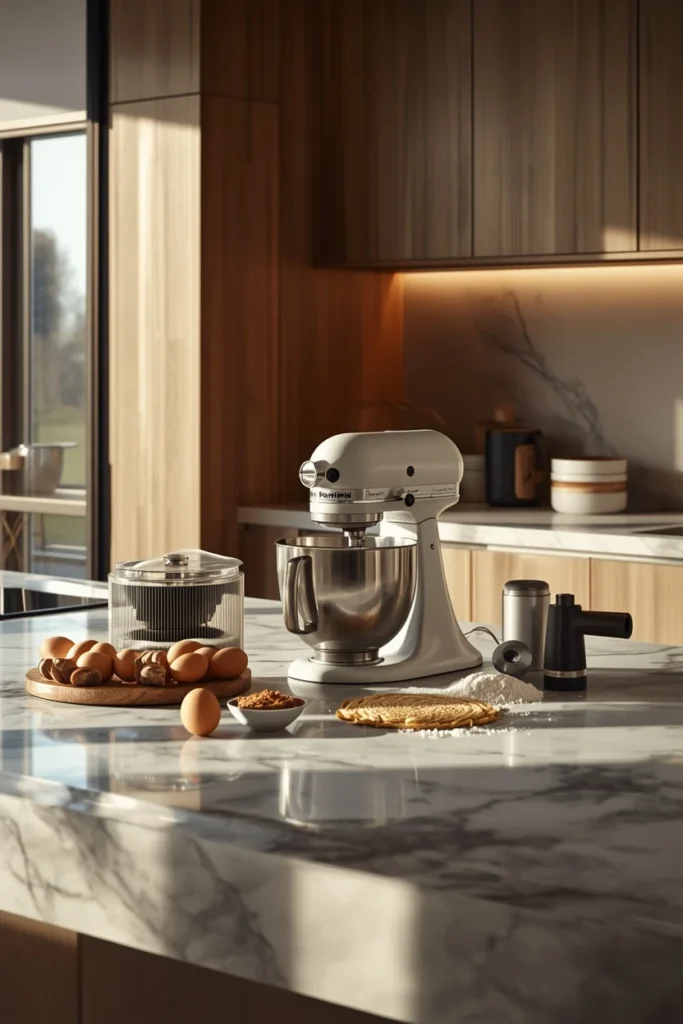
Here’s the thing nobody tells you before you buy one: you are not just paying for a mixer, you are paying for a system.
KitchenAid built its stand mixers around a single power hub that accepts dozens of attachments, from pasta rollers to meat grinders to ice cream makers. That changes the math completely.
Think about it this way. A basic hand mixer costs $30 and does exactly one thing.
A KitchenAid costs ten to fifteen times more, but it can theoretically replace a pasta machine, a meat grinder, a food processor, and a mixer all at once. Suddenly that price tag looks a little less insane, doesn’t it?
Here’s what your money actually buys:
- A direct-drive transmission that pushes power straight to the beater instead of relying on belts that wear out
- An all-metal gear system built to survive decades of use, not just a few birthday cakes
- A tilt-head or bowl-lift design depending on the model, which changes how you load ingredients
- Compatibility with over 15 attachments, sold separately, that turn the mixer into a mini kitchen appliance arsenal
- A 10-year warranty on most models, which honestly says a lot about how confident the company is in its own build quality
None of this matters if you bake a cake twice a year. But if you are the kind of person who makes bread dough on a Tuesday for fun, this stuff starts to matter a lot.
The Build Quality Argument
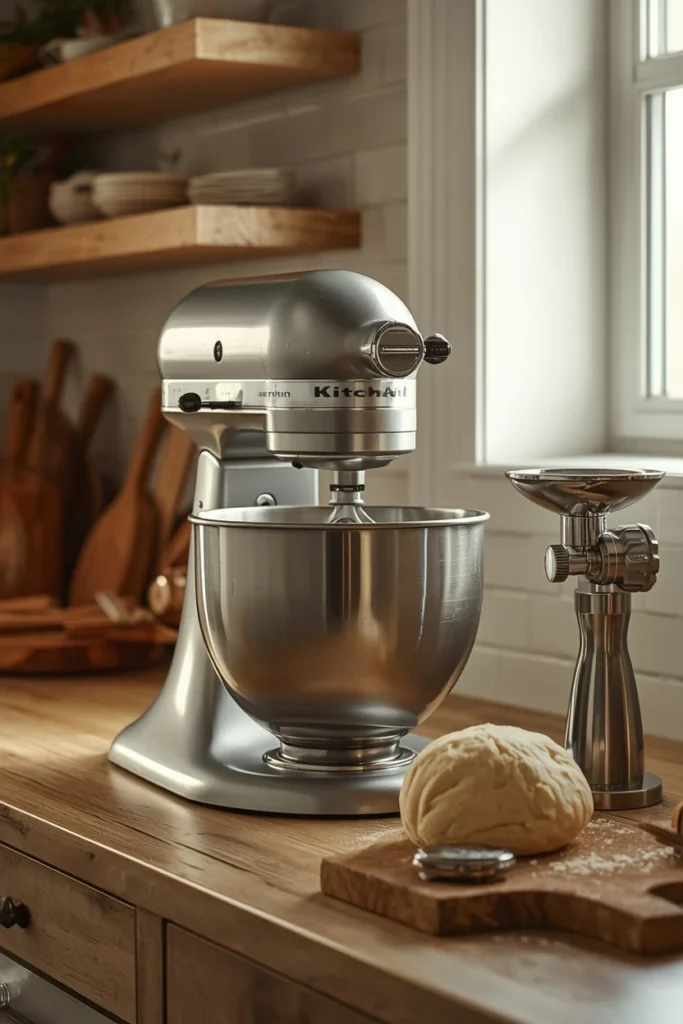
I am going to be blunt here. Most kitchen appliances are designed to die right after the warranty expires. It is planned obsolescence dressed up in stainless steel.
KitchenAid mixers are one of the rare exceptions, and that is really the heart of the value argument.
Why the Motor Matters More Than You Think
The motor in a KitchenAid is not trying to win a horsepower contest. It is actually intentionally underpowered compared to some competitors, and that is by design.
A slower, torquier motor puts less stress on the gears, which means the mixer lasts longer instead of burning itself out on your third batch of stiff cookie dough.
My mother still uses the KitchenAid she bought in 1998. Mine is going strong after three years of near-weekly abuse, including bread dough that would make a lesser mixer whimper. That is not a coincidence. That is engineering.
The Attachment Ecosystem Nobody Talks About Enough
Ever wondered why KitchenAid owners seem a little cult-like about their attachments? Once you own one, you understand.
I bought the pasta roller attachment on a whim and now I genuinely cannot go back to store-bought fettuccine, and yes, I know how insufferable that sentence sounds.
Popular attachments people actually use:
- Pasta roller and cutter set for fresh noodles in about ten minutes
- Meat grinder attachment for fresh burger blends or homemade sausage
- Food processor attachment that saves counter space if you skip buying a separate unit
- Ice cream maker bowl for actual homemade ice cream with zero rock salt mess
- Vegetable sheet cutter for spiralizing and slicing without a separate gadget
You do not need all of these. But the fact that they exist and actually work well is a real point in the mixer’s favor.
Where It Shines in the Kitchen
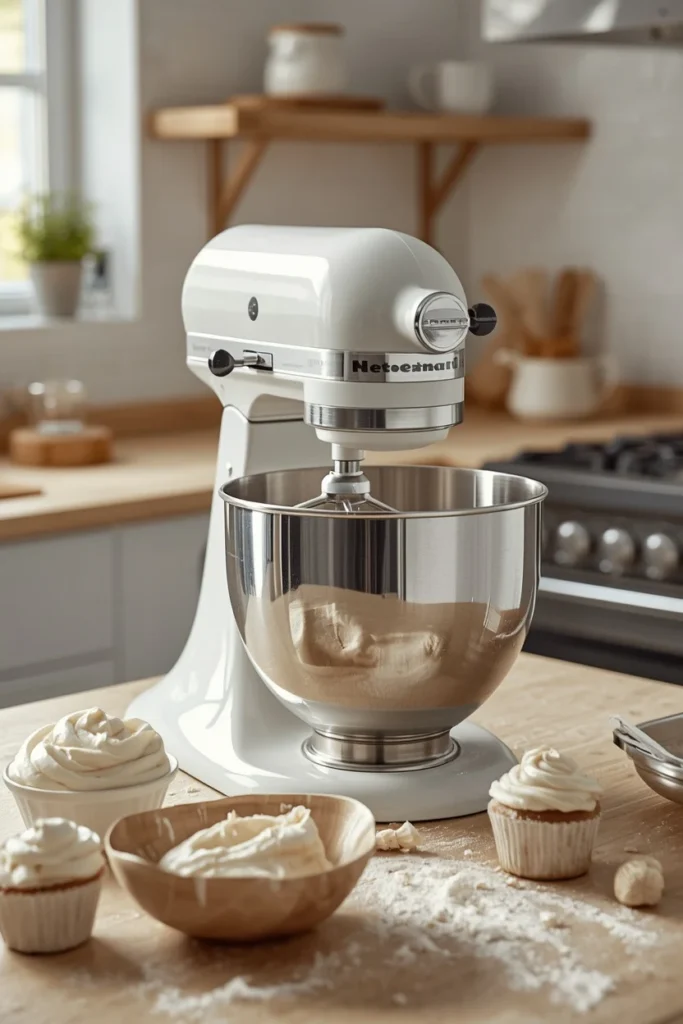
Let’s talk performance, because build quality means nothing if the thing struggles to whip egg whites.
A KitchenAid genuinely handles heavy tasks that would stall out cheaper mixers, and this is where a lot of the sticker shock starts to make sense.
Bread dough is the real test. Cheap mixers tend to wander across the counter or overheat when kneading anything thicker than pancake batter.
My KitchenAid just plants itself and grinds through it, week after week, without so much as a complaint.
It also handles the delicate stuff well, which surprises people.
Whipped cream, meringues, and buttercream come out consistently smooth, and the tilt-head design makes it easy to scrape down the bowl without wrestling the whole machine.
Small thing, but it adds up when you are baking at 9pm and just want to go to bed.
The Honest Downsides
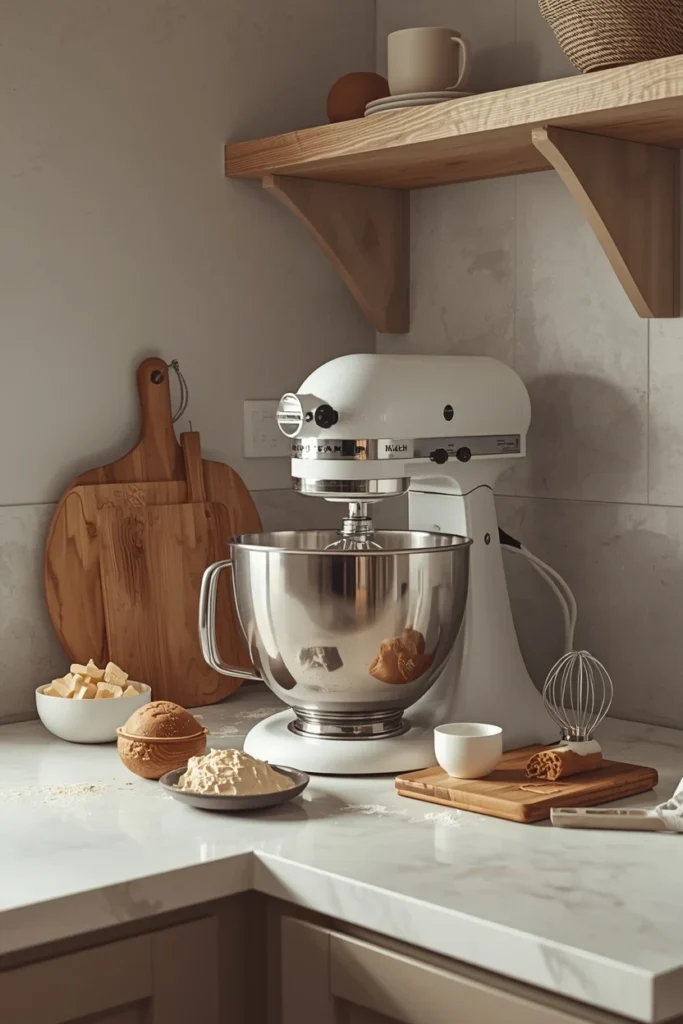
I am not here to write you a love letter, so let’s talk about the stuff that annoys me. Nothing is perfect, and pretending otherwise would just make this article useless to you.
The bowl size on entry-level models is smaller than most people expect.
If you regularly bake large batches or double a bread recipe, the classic 4.5 or 5-quart bowl fills up fast and you will find yourself doing two batches instead of one.
That is an easy fix (buy the bigger bowl model) but it is an extra cost nobody warns you about upfront.
It is also heavy. Like, genuinely heavy. If your kitchen storage situation means the mixer lives in a cabinet instead of on the counter, hauling it out every time becomes its own small workout.
Mine lives permanently on the counter now because I got tired of the daily deadlift.
A few other honest gripes:
- Attachments are expensive, often $80 to $150 each, so building out the full ecosystem adds up fast
- The plastic gear inside some models is intentional, designed to strip before the motor burns out if you overload it, which is smart engineering but annoying to replace
- Color options with the fancy finishes cost more, and yes, I paid extra for a color, and no, I do not regret it, but I am also not proud of that decision
KitchenAid vs Cheaper Alternatives
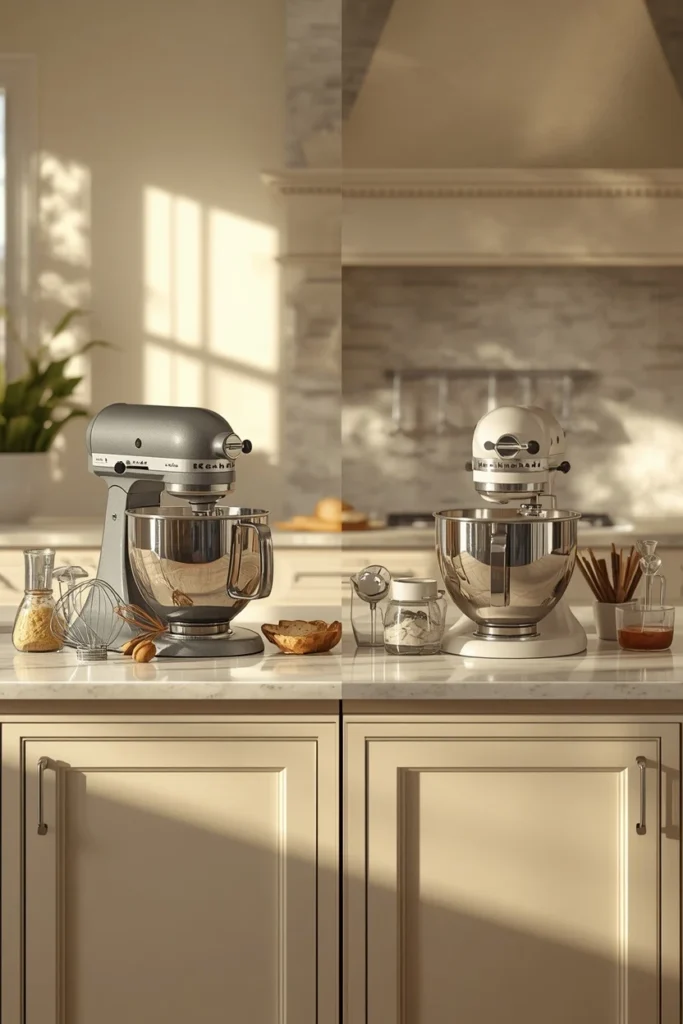
This is the comparison everyone actually wants answered. Is a $150 mixer from a big box store really that different from a $450 KitchenAid? Short answer: yes, but maybe not enough to matter for your specific situation.
| Feature | KitchenAid Stand Mixer | Budget Stand Mixer |
|---|---|---|
| Motor durability | Built for decades of use | Often fails within 3 to 5 years |
| Attachment ecosystem | 15+ official attachments | Usually none or very limited |
| Warranty | Up to 10 years on select models | Typically 1 to 2 years |
| Resale value | Holds value well on the secondhand market | Minimal resale value |
| Price | $280 to $600+ | $60 to $200 |
If you bake occasionally and just need something to whip cream for a holiday dessert, a budget mixer does the job fine.
But if you are kneading dough weekly, mixing heavy batters, or planning to use attachments down the road, the KitchenAid earns its price back through sheer longevity.
Who Should Actually Buy One
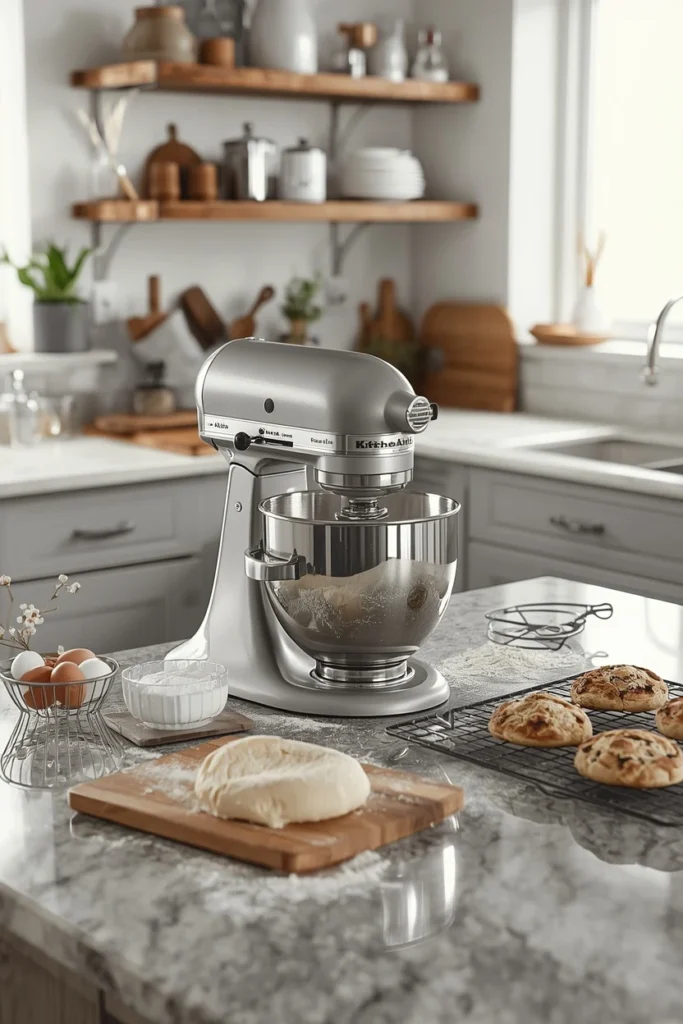
Not everyone needs this mixer, and I will die on that hill. Buying one just because it looks good on your counter is a fine reason if you have the budget, but let’s be real about who benefits most.
You should probably buy one if:
- You bake bread, pizza dough, or anything with heavy kneading at least a few times a month
- You want to eventually use attachments instead of buying separate appliances
- You plan to keep the mixer for 10+ years instead of replacing it every couple years
- You have the counter space or storage to justify keeping it accessible
You can probably skip it if:
- You bake a handful of times a year for special occasions
- Counter space is genuinely tight and storage is a real problem
- Your budget is better spent elsewhere right now
There is no shame in either answer. A tool is only worth its price if it fits how you actually live, not how you imagine you might live someday.
Final Verdict
So, is the KitchenAid stand mixer worth the price? For frequent bakers and people who cook from scratch regularly, absolutely yes.
The build quality, the attachment system, and the sheer lifespan make the upfront cost feel a lot smaller once you spread it across a decade of use.
For the occasional baker, it is a nice-to-have rather than a need-to-have, and that is perfectly okay too.
I will not judge you for sticking with a hand mixer, but I will judge you a little if you buy one and let it collect dust as a very expensive countertop decoration.
Whatever you decide, make the choice based on how you actually cook, not on how good the mixer looks in someone else’s kitchen photos.
Is The KitchenAid Stand Mixer Worth The Money?
Yes, if you bake regularly or plan to use attachments over time.
The mixer earns back its price through durability, a powerful motor, and a warranty that often runs up to 10 years, which makes it a better long-term value than cheaper mixers that need replacing every few years.
How Long Does A KitchenAid Stand Mixer Actually Last?
Many KitchenAid mixers last well over a decade with regular use, and some owners report machines still running strong after 20 years.
The direct-drive transmission and all-metal gear system are built to handle heavy, repeated use without burning out.
What Is The Difference Between KitchenAid And Cheaper Stand Mixers?
KitchenAid mixers use a sturdier motor, an all-metal gear system, and a longer warranty, while budget mixers often rely on weaker motors and belts that wear out within a few years.
KitchenAid also offers a wide attachment ecosystem that most cheaper mixers simply do not support.
Which KitchenAid Attachments Are Actually Worth Buying?
The pasta roller, meat grinder, and food processor attachments get the most consistent use for home cooks, since they replace separate appliances entirely.
The ice cream maker bowl and vegetable sheet cutter are great extras but more of a nice-to-have depending on how often you use them.
Is A Bigger Bowl Size Necessary For A KitchenAid Mixer?
It depends on how much you bake at once.
The standard 4.5 to 5-quart bowl works fine for most home recipes, but anyone who doubles bread recipes or bakes large batches regularly will likely want to upgrade to a bigger bowl model to avoid running multiple batches.