
Your arm is tired. Your bowl of cookie dough looks like it lost a fight. And you’re seriously considering just buying cookies from the store like a quitter.
Sound familiar? A good stand mixer fixes all of that, and once you own one, you’ll wonder how you survived birthday cakes without it.
I’ve burned out two hand mixers and dented my kitchen counter with one truly awful budget stand mixer before I found the ones that actually earn their spot on your counter.
This guide covers the best stand mixers serious home bakers swear by, why they’re worth the investment, and how to pick the right one without falling for marketing nonsense.
Why a Stand Mixer Actually Matters (And Isn’t Just a Fancy Flex)
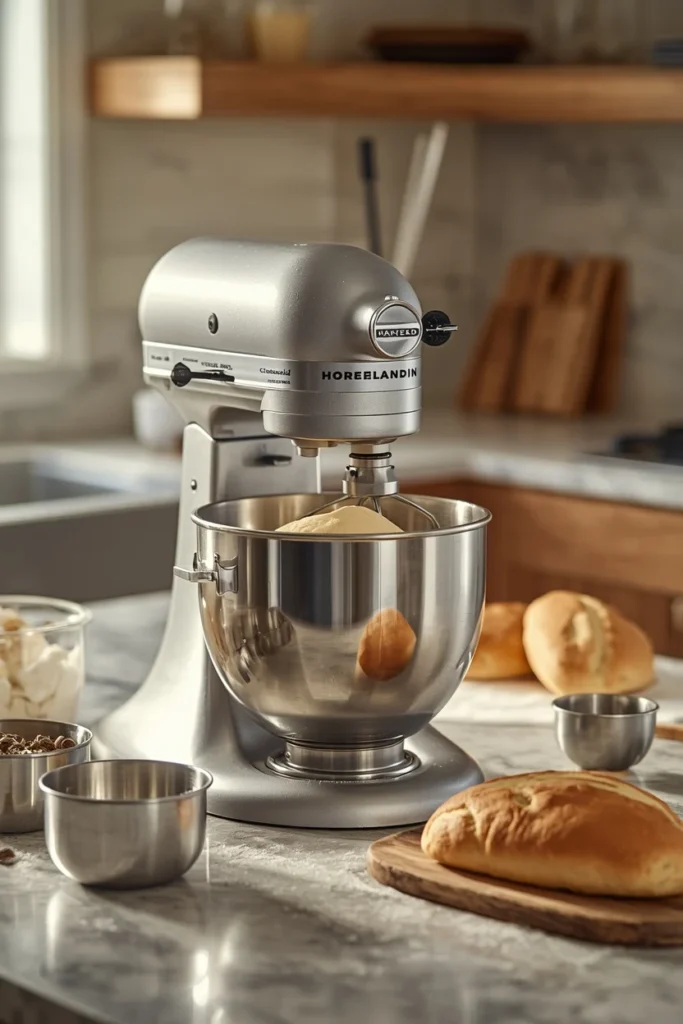
Let’s get one thing straight: a stand mixer isn’t just a status symbol for your kitchen counter. It’s a workhorse that saves your wrists, your time, and honestly, your sanity during holiday baking season.
Ever tried creaming butter and sugar by hand for ten straight minutes? It’s a workout nobody signs up for.
A quality stand mixer gives you consistent results every single time. Your meringues whip up fluffier, your bread dough kneads evenly, and your batter doesn’t end up with those annoying flour pockets.
That consistency is exactly why serious bakers stop messing around with hand mixers.
Here’s what a solid stand mixer brings to the table:
- Hands-free operation so you can prep other ingredients while it mixes
- Powerful motors that handle thick dough without stalling out
- Multiple attachments for everything from pasta to ground meat
- Durability that outlasts cheaper alternatives by years, sometimes decades
If you bake more than a few times a month, this isn’t a luxury purchase. It’s an upgrade your future self will thank you for.
KitchenAid Artisan Series: The One Everyone Talks About For a Reason
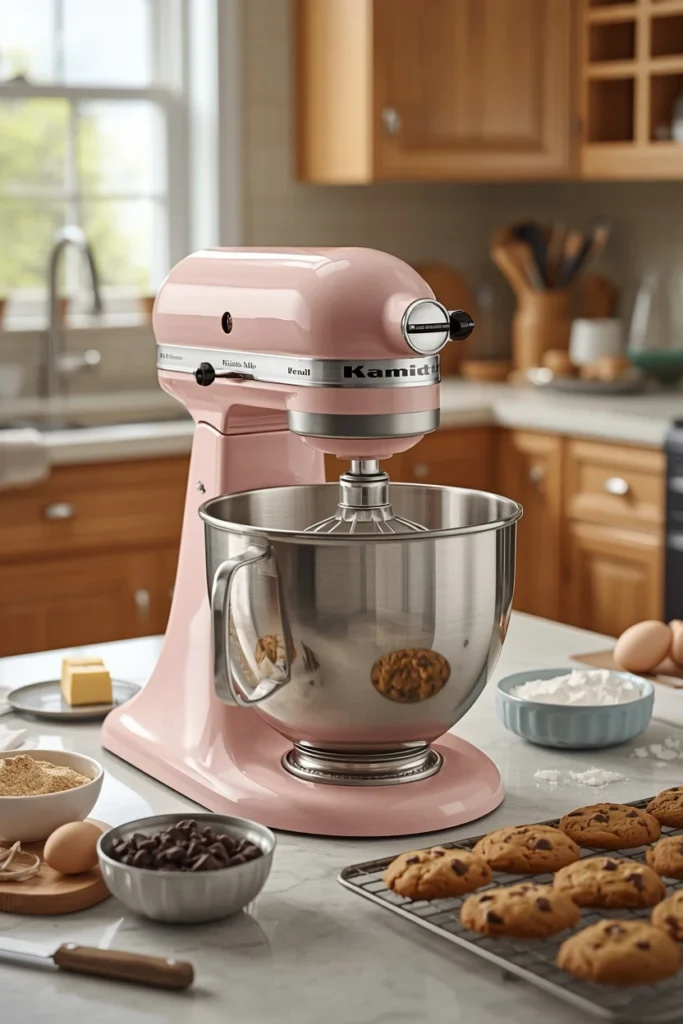
You knew this was coming. The KitchenAid Artisan is basically the golden retriever of stand mixers: reliable, everywhere, and impossible to dislike.
I’ve had mine for six years, and it still handles bread dough like it just came out of the box.
What Makes It Worth the Hype
The 325-watt motor sounds modest on paper, but it punches way above its weight class. It handles everything from whipped cream to stiff cookie dough without breaking a sweat.
The tilt-head design makes swapping attachments easy, which matters more than you’d think when you’re mid-recipe with flour on your hands.
- 5-quart bowl fits most standard recipes, including double batches of cookies
- 10 speed settings give you real control, not just “slow” and “way too fast”
- Compatible with over 15 attachments, including pasta rollers and meat grinders
- Comes in dozens of colors, because apparently your mixer needs to match your aesthetic now
Is it perfect? Not quite. The bowl can feel a little small if you’re baking for a crowd, and the plastic gears inside are designed to fail before they damage the motor.
That’s actually a smart safety feature, but it does mean occasional maintenance down the line.
KitchenAid Professional 600: For When You Mean Business
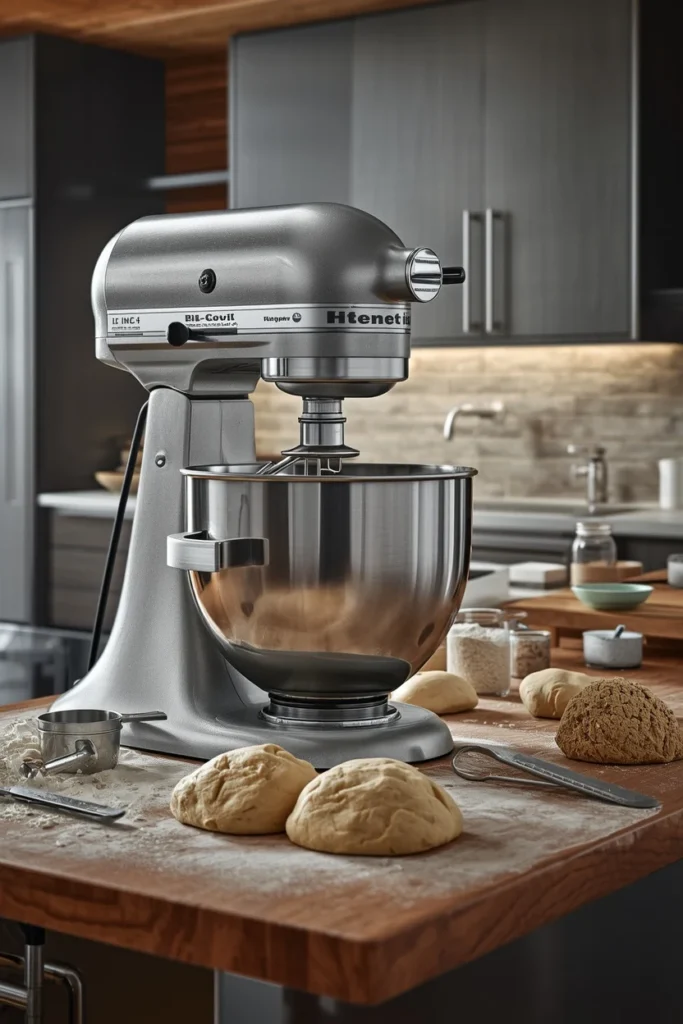
If the Artisan is the reliable daily driver, the Professional 600 is the mixer you buy when you’ve decided baking is basically your second job. This one is built for bigger batches and heavier doughs, and it shows.
Bigger Bowl, Bigger Ambitions
With a 6-quart bowl and a beefier 575-watt motor, this mixer laughs at double batches of pizza dough.
I switched to this model after my Artisan started groaning under whole wheat bread dough, and the difference is night and day. Nothing struggles anymore.
The bowl-lift design instead of tilt-head gives it more stability during heavy mixing. That matters a lot when you’re kneading dense dough that would otherwise rock a lighter mixer around your counter.
Does it take up more space? Absolutely. Is it worth the real estate? For serious bakers, yes.
Cuisinart Precision Master: The Budget-Friendly Contender
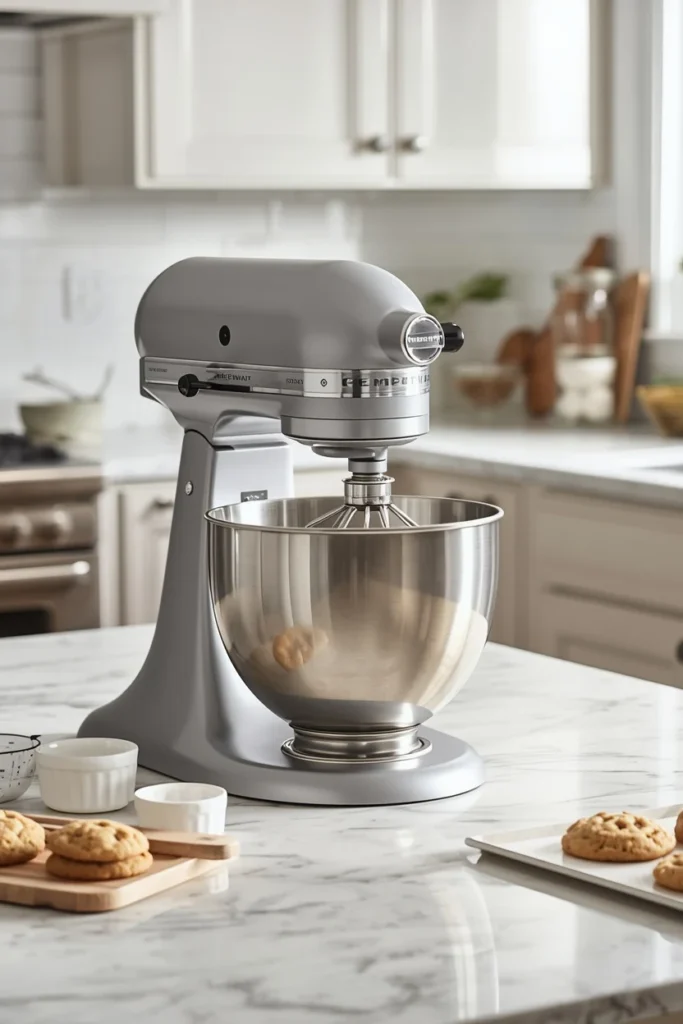
Not everyone wants to drop several hundred dollars on a mixer, and that’s completely fair. The Cuisinart Precision Master delivers solid performance without demanding a small loan.
I recommended this to my sister when she started baking seriously, and she still hasn’t complained once.
What You Get for Less
This mixer comes with a 500-watt motor and a 5.5-quart bowl, putting it right in competition with pricier models on paper.
The 12 speed settings offer more granular control than most mixers in its price range, which genuinely helps when you’re working with delicate meringues.
- Included attachments cover the basics: flat beater, dough hook, and wire whip
- Splash guard keeps flour from exploding all over your kitchen
- Slightly louder motor than premium brands, so don’t expect library-quiet operation
The build quality doesn’t quite match KitchenAid’s metal construction, but for the price, it’s a genuinely smart choice. You’re not sacrificing much performance for a significant chunk of savings.
Bosch Universal Plus: The Underrated Powerhouse
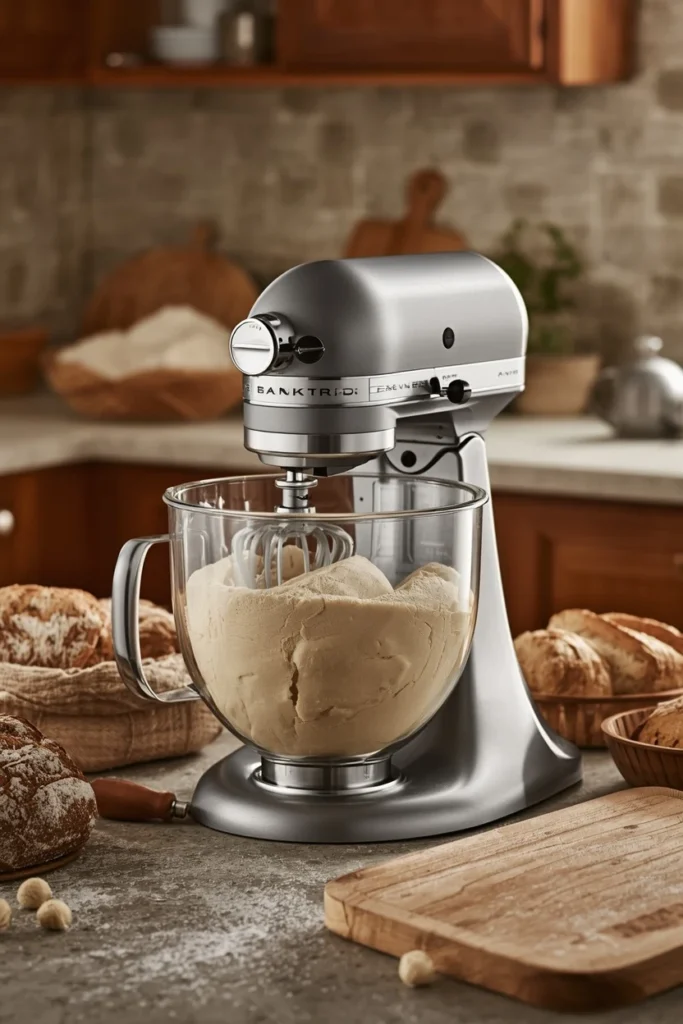
Here’s a hot take: the Bosch Universal Plus deserves way more attention than it gets. While everyone’s fighting over KitchenAid colors, this German-engineered mixer quietly outperforms in raw power.
My baker friend who runs a small home bread business swears by hers, and after watching it work, I get why.
Built Different, Literally
Instead of a traditional mixing bowl setup, the Bosch uses a unique bottom-drive motor that sits below the bowl rather than above it.
This design lets it handle massive amounts of dough, up to 15 loaves of bread worth, without the motor overheating or stalling.
- 800-watt motor, significantly more powerful than most competitors
- 6.5-quart bowl with room to spare for large batches
- Attachments store neatly in the included case, which is a small but appreciated touch
- The learning curve is real; it doesn’t work quite like other mixers you’ve used
If you bake bread regularly or in bulk, this mixer might genuinely change your life. It’s not the prettiest thing on your counter, but who’s judging a mixer on looks when it performs like this?
Smeg 50’s Retro Style: For Bakers Who Want Style AND Substance
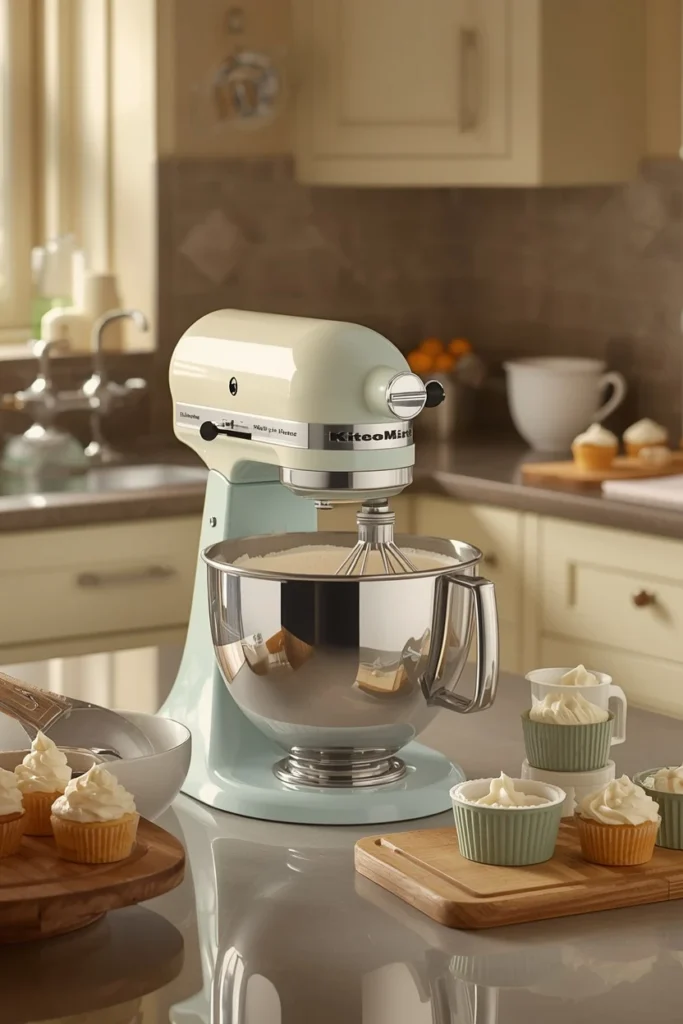
Okay, let’s talk about the mixer that makes your kitchen look like a magazine spread.
The Smeg 50’s Retro Style stand mixer isn’t just eye candy. It genuinely performs well, even if you’re partially buying it for the aesthetic (no judgment here).
Function Meets Fabulous
Don’t let the vintage look fool you. This mixer packs a 800-watt motor and comes with a 4.8-quart bowl, handling most home baking tasks without complaint.
The 10-speed motor with a soft-start feature prevents that dreaded flour explosion when you first hit the power button.
Genuinely, the build quality feels premium, with a diecast metal body that feels substantial in a way plastic mixers just don’t.
It’s pricier than most on this list, but you’re paying for both performance and that undeniable retro charm sitting on your counter.
What to Actually Look for Before You Buy
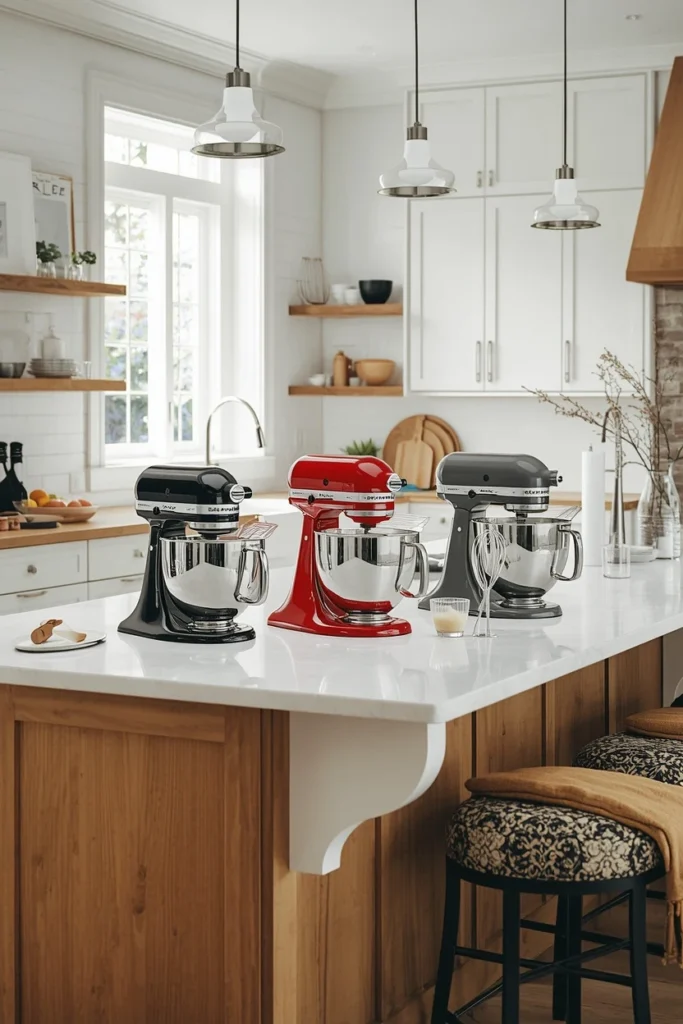
Choosing between these mixers comes down to your specific baking habits, not just brand loyalty. What works for a bread-obsessed home baker won’t necessarily fit someone who mostly bakes cookies for the office.
Key Factors to Consider
- Motor power: Higher wattage handles thick dough better, but it’s not the only factor
- Bowl capacity: Match this to your typical batch size, not your dream batch size
- Attachment compatibility: Check if the brand offers extras you’ll actually use
- Storage space: These mixers are heavy and bulky, so measure your counter first
- Budget: Spending more doesn’t always mean better performance for your specific needs
Ask yourself honestly how often you’ll actually use this thing. A mixer collecting dust because it’s too heavy to lift out of the cabinet isn’t doing anyone any favors.
Final Thoughts: Pick the Mixer That Matches Your Baking Life
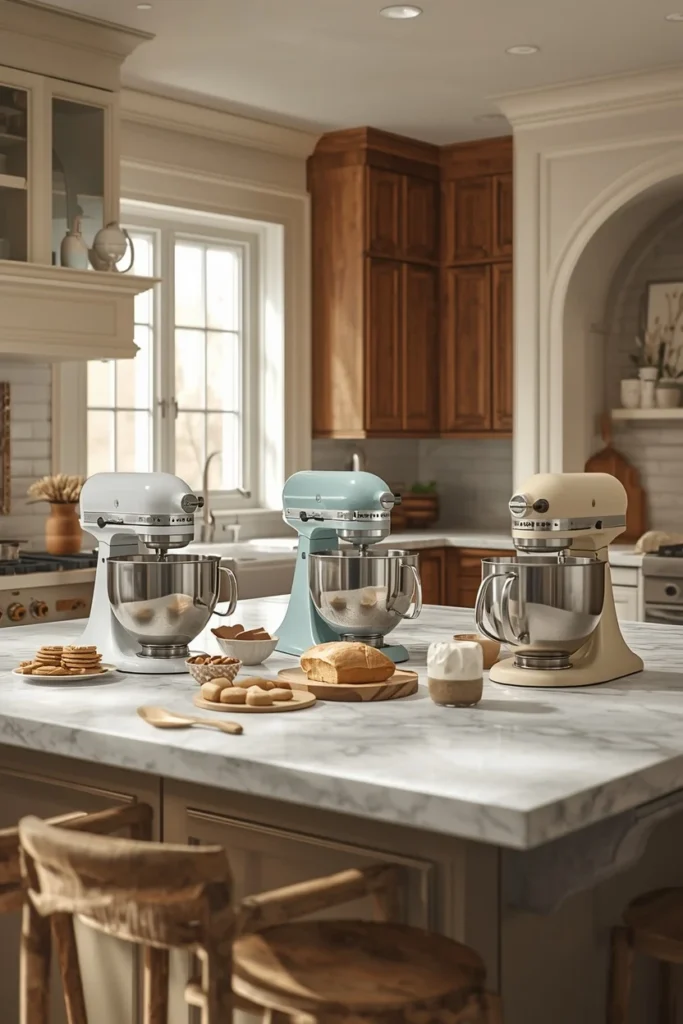
The best stand mixers serious home bakers swear by aren’t one-size-fits-all, and honestly, that’s a good thing.
Your perfect match depends on how much you bake, what you bake, and how much counter space you’re willing to sacrifice.
Whether you go with the classic KitchenAid Artisan, the powerhouse Bosch Universal Plus, or the stylish Smeg, you’re investing in fewer sore arms and better bakes.
Trust me, once you upgrade, you’ll never look at hand mixers the same way again. So which one’s calling your name?
What Is The Best Stand Mixer For Serious Home Bakers?
The KitchenAid Professional 600 tops the list for serious bakers thanks to its powerful motor and larger bowl capacity. It handles heavy dough and big batches without breaking a sweat.
If you bake bread or large quantities regularly, this model earns its price tag.
How Many Watts Should A Good Stand Mixer Have?
Look for at least 300 watts for casual baking, but serious bakers should aim for 500 watts or higher. Higher wattage means the motor won’t stall when kneading thick bread dough or mixing stiff cookie batter.
The Bosch Universal Plus, at 800 watts, sits comfortably at the top of this range.
Is A Bosch Stand Mixer Better Than KitchenAid?
It depends entirely on your baking habits, not brand loyalty. Bosch wins for raw power and bread-heavy baking, while KitchenAid offers more attachment options and a more familiar design.
Neither one is objectively better, they just serve different kinds of bakers.
What Size Bowl Do I Need For A Stand Mixer?
A 5-quart bowl covers most standard home baking needs, including double batches of cookies.
If you bake bread often or cook for large families, consider a 6-quart or larger bowl instead. Going too small means you’ll hit the bowl’s limit constantly, which gets old fast.
Are Expensive Stand Mixers Worth The Extra Cost?
Yes, if you bake often enough to justify the investment. Pricier mixers like the KitchenAid Professional 600 or Smeg offer better motors, sturdier builds, and longer lifespans than budget options.
If you’re an occasional baker, though, a mid-range mixer like the Cuisinart Precision Master likely covers everything you need.