
Your pots are warped, your nonstick pan sheds flakes like it’s molting, and you just tried to make an omelet that ended up looking like scrambled eggs having an identity crisis.
Sound familiar? I’ve been there, and I promise you don’t need a mortgage-sized budget to fix it.
I’ve burned through more pans than I care to admit while figuring out what actually works in a real kitchen, not just what looks pretty in a showroom.
This guide covers the best cookware sets every home cook actually needs, based on what holds up to daily use, not just what photographs well for a wedding registry.
Why Your Cookware Choice Actually Matters
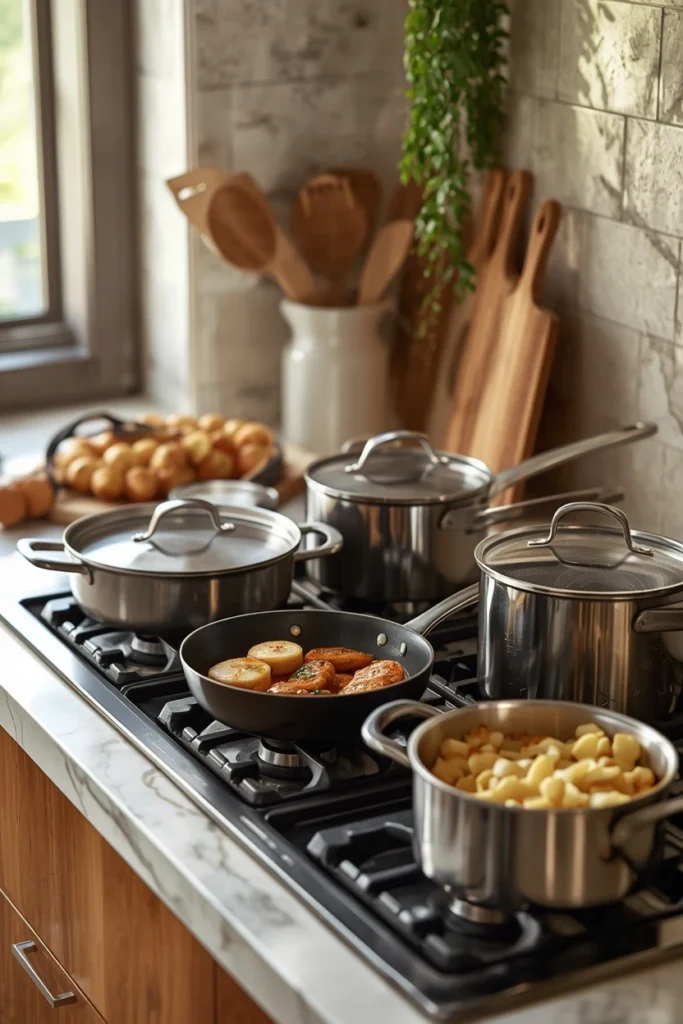
Cheap cookware isn’t just annoying, it’s a daily tax on your patience. Ever tried flipping a pancake in a warped pan that rocks like a see-saw? It’s a special kind of chaos.
The right cookware set changes how you cook, not just what you cook in. Heat distribution, material quality, and handle design all affect whether your food turns out right or ends up as a cautionary tale.
Good pans forgive small mistakes. Bad ones punish you for blinking.
I learned this the hard way with a big-box store set that warped after three uses. My eggs stuck, my sauces scorched, and I started blaming my own cooking skills before realizing the real problem sat on my stovetop.
What to Look For Before You Buy
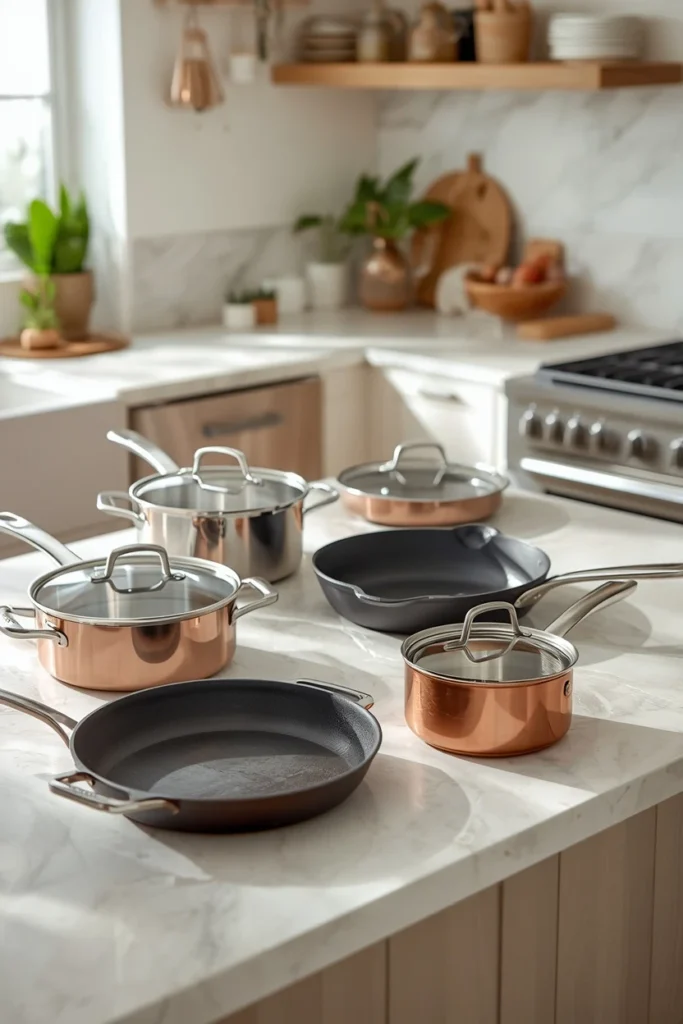
Before we get into specific sets, let’s talk about what actually separates a good cookware set from an expensive paperweight collection.
Material Matters More Than You Think
Different materials do different jobs, and no single material does everything well. Here’s the quick breakdown:
- Stainless steel: Durable, non-reactive, great for searing, but food can stick if you don’t preheat properly
- Nonstick (ceramic or Teflon-based): Easy cleanup, ideal for eggs and delicate fish, but doesn’t handle high heat or metal utensils well
- Cast iron: Retains heat like a champion, lasts generations, but heavy and needs seasoning
- Copper: Heats up and cools down fast, gorgeous to look at, but pricey and often needs polishing
A solid set usually mixes materials rather than betting everything on one. That’s not a compromise. That’s just smart cooking.
Handle and Lid Design
Nobody talks about handles enough, and that’s a mistake. A handle that gets hot the second you turn on the burner will ruin your day and possibly your hand.
Look for stay-cool handles and lids that actually seal in moisture instead of rattling around like a maraca.
Glass lids let you check on food without lifting them, which sounds minor until you realize how much heat you lose every time you peek.
Oven and Dishwasher Safety
Can the set go from stovetop to oven? Can you toss it in the dishwasher without stripping the finish? These questions matter more than people admit when they’re standing in a store getting starry-eyed over a shiny display.
The Best Cookware Sets Every Home Cook Actually Needs
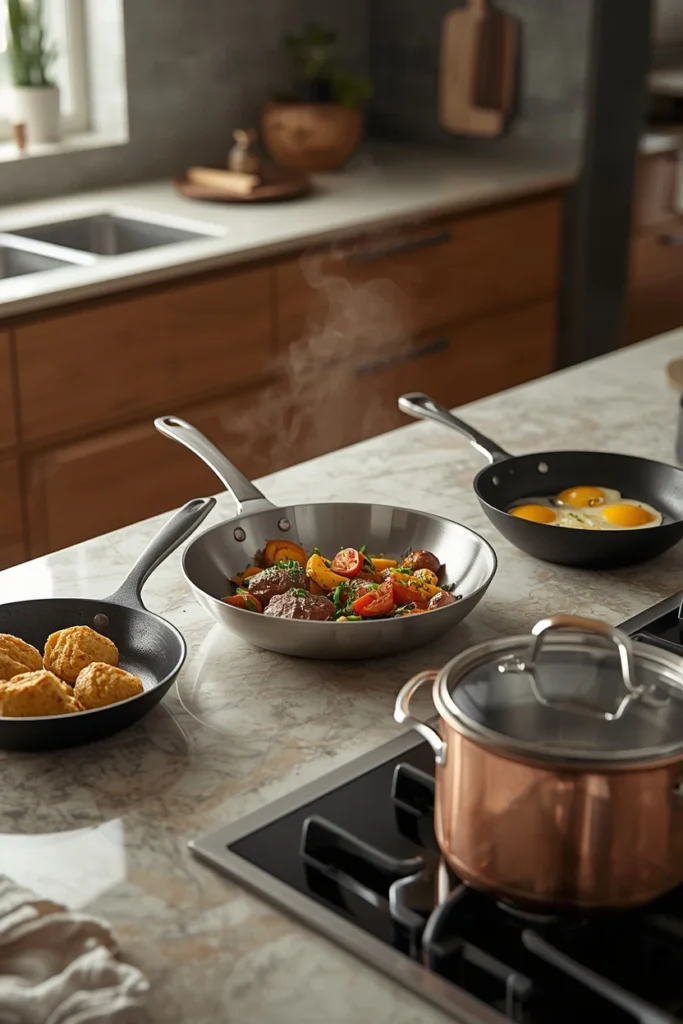
Alright, here’s where the rubber meets the road. I’ve grouped these by what kind of cook you actually are, because let’s be honest, the “best” set depends heavily on your habits.
1. The All-Rounder: Stainless Steel Tri-Ply Sets
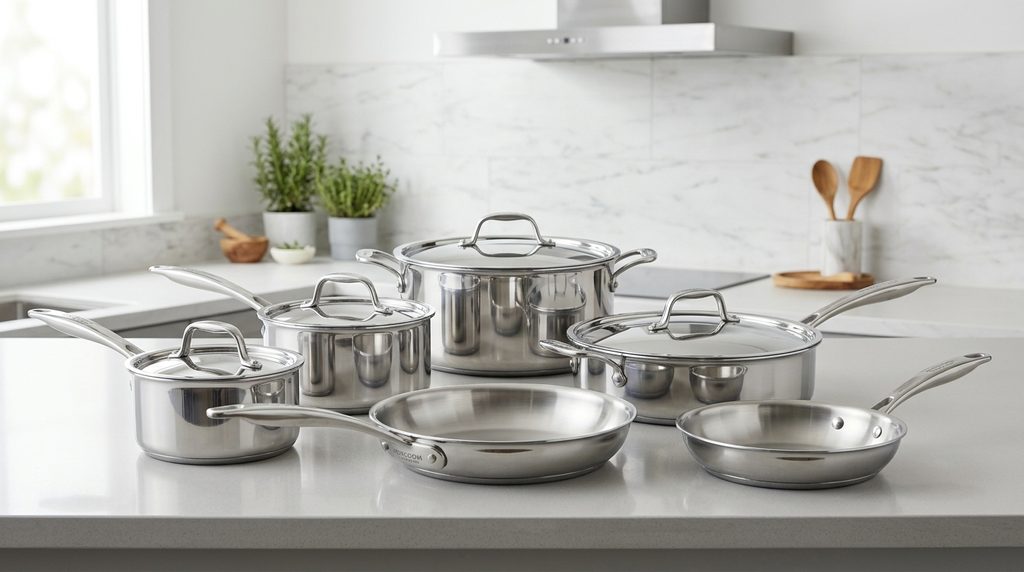
If you only buy one type of cookware in your life, make it a tri-ply stainless steel set.
Tri-ply means the pan sandwiches an aluminum core between two layers of stainless steel, giving you even heating without the metallic taste some cheaper steel pans leave behind.
These sets handle searing steaks, simmering sauces, and browning onions without breaking a sweat. They’re also oven safe up to high temperatures, which matters if you like finishing dishes under the broiler.
- Great for searing and browning
- Naturally nonreactive, so no weird flavors from acidic foods
- Durable enough to last decades with basic care
I still use a stainless pan I bought almost eight years ago, and it looks better than pans I bought last year from a cheaper brand. That’s the kind of return on investment that actually means something.
2. The Everyday Hero: Nonstick Ceramic Sets
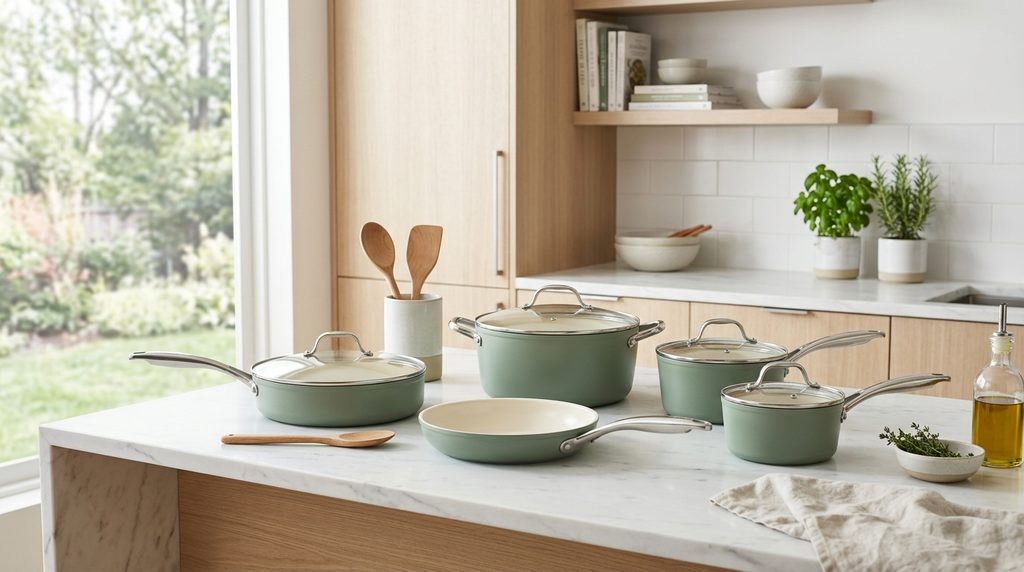
Not everyone wants to babysit a pan while cooking eggs. If mornings are chaotic and you need cookware that forgives a little inattention, a ceramic nonstick set earns its keep.
These sets shine for breakfast foods, delicate fish, and anything prone to sticking. Cleanup takes seconds, which matters when you’re already running late and don’t have time to scrub burnt cheese off a pan.
Just know the tradeoffs going in:
- Avoid metal utensils, they scratch the coating
- Skip high heat searing, ceramic coatings degrade faster than steel
- Replace every few years, since nonstick coatings wear down eventually
I keep a small ceramic pan just for eggs and pancakes, and honestly, it’s probably my most used piece of cookware. Function over flash wins in my kitchen every time.
3. The Heirloom Piece: Cast Iron Sets
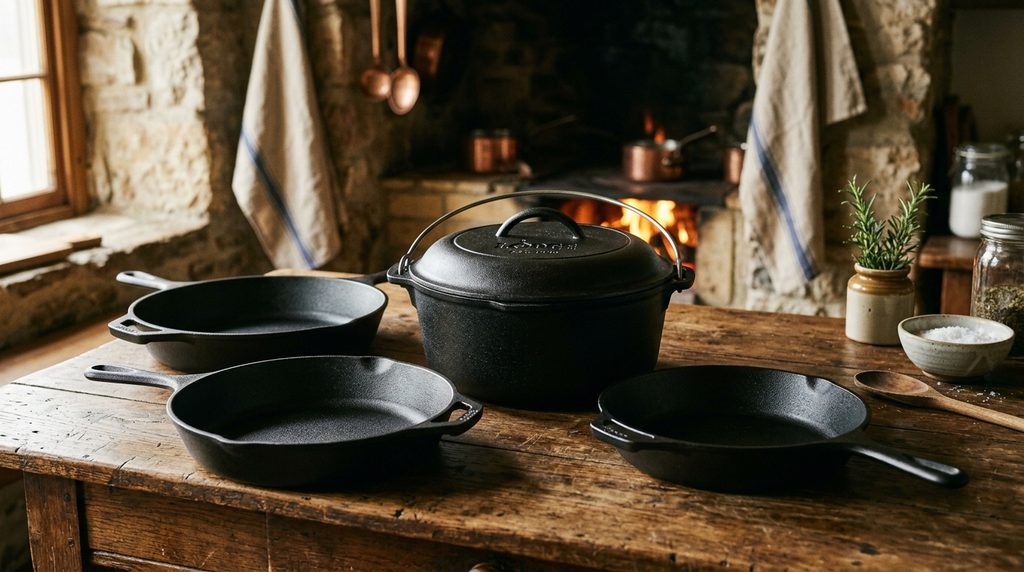
Cast iron doesn’t care about trends. It’s been doing its job since before your grandparents were born, and it’ll likely outlive you too.
A good cast iron set handles searing, baking, roasting, and even campfire cooking if you’re into that sort of thing.
Yes, it’s heavy. Yes, it needs seasoning. But the flavor and heat retention you get in return make the extra effort worthwhile.
- Builds a natural nonstick surface over time with proper seasoning
- Works on stovetop, oven, and even open flame
- Practically indestructible with basic maintenance
My cast iron skillet has cooked everything from cornbread to bacon to a very questionable attempt at deep-dish pizza. It handled all of it without complaint, unlike me during that pizza attempt.
4. The Splurge: Copper Core Sets
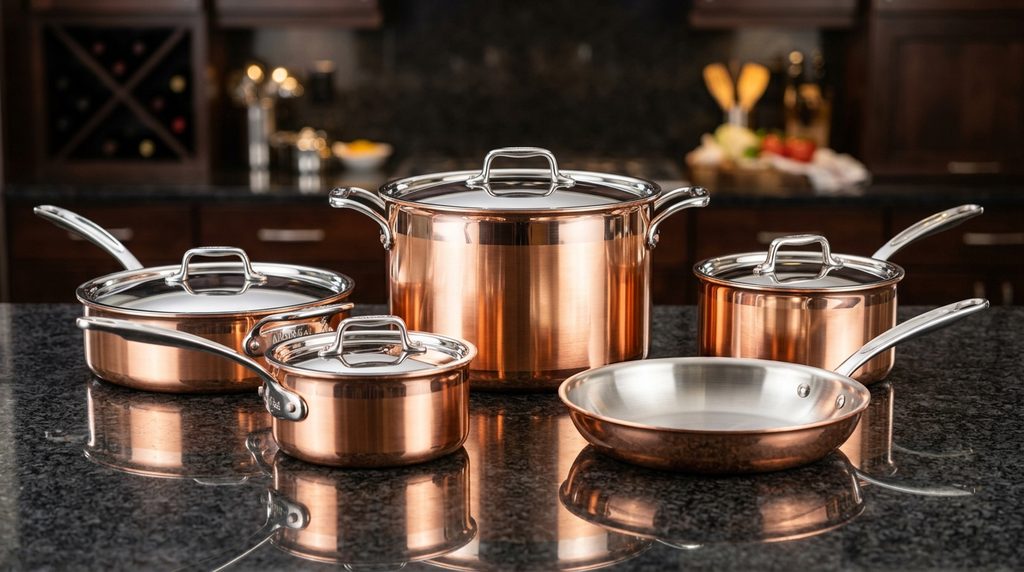
Copper cookware sits at the top of the price ladder, and for good reason. It heats up almost instantly and responds to temperature changes faster than any other material on this list.
Professional chefs love copper for precision cooking, especially sauces that need constant temperature adjustments. It’s not practical for everyone, but if you’re serious about technique, it’s worth considering.
- Reacts to heat changes almost instantly
- Looks stunning, let’s be real, that’s part of the appeal
- Requires more maintenance, including regular polishing
Do you need copper cookware? Probably not. Do you want it anyway after watching a professional kitchen video? Also probably yes.
Mixing and Matching: The Smart Cook’s Secret
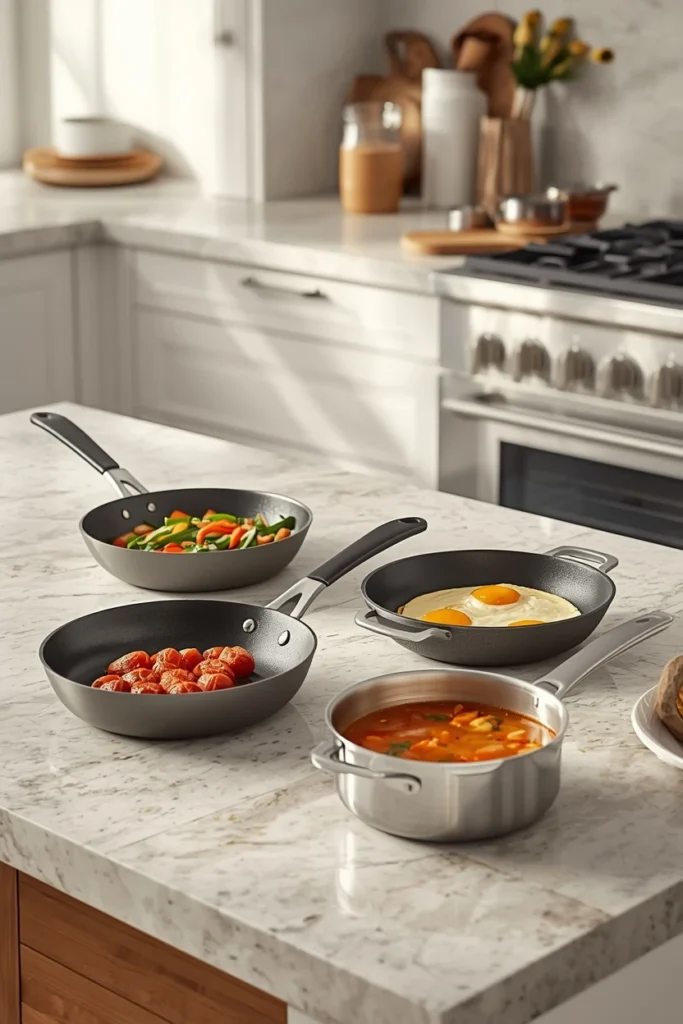
Here’s a truth the cookware industry doesn’t advertise loudly: you don’t need one giant matching set. Buying a curated mix of materials often serves you better than a boxed set with pieces you’ll never actually use.
Think about it. How often do you really need a 12-piece set with three sizes of saucepans you’ll use twice a year? A smarter approach combines:
- One large stainless steel pan for searing and sauces
- One nonstick pan for eggs and delicate foods
- One cast iron skillet for high heat and oven finishing
- A sturdy stockpot for soups, pasta, and stock
This combo covers 90% of home cooking needs without cluttering your cabinets with pans that just sit there looking pretty and useless.
Budget Breakdown: What You Actually Get at Each Price Point
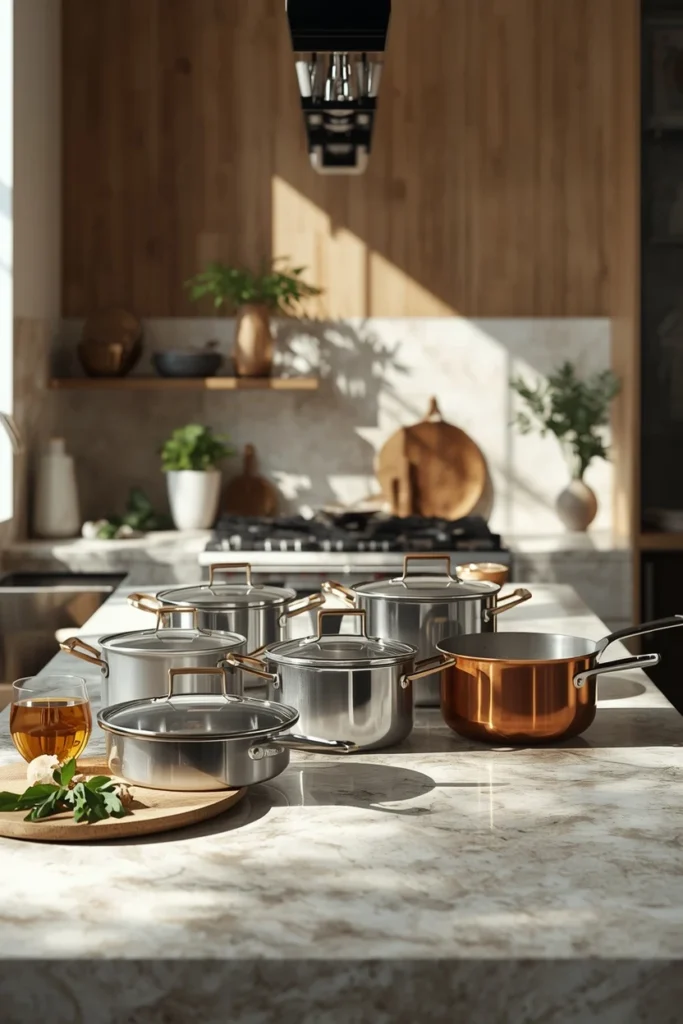
Cookware pricing can feel like a scam if you don’t know what you’re paying for. Let’s clear that up.
- Under $100: Thin gauge metal, uneven heating, shorter lifespan, fine for occasional cooks
- $100 to $300: Solid mid-range options, decent tri-ply construction, good for most households
- $300 to $600: Higher quality materials, better warranties, ideal for frequent home cooks
- $600 and up: Professional grade, copper or premium stainless, built for serious cooking enthusiasts
Spending more doesn’t always mean better, but spending too little almost always means replacing your cookware sooner than you’d like. Somewhere in the middle usually offers the best value for most kitchens.
Caring for Your Cookware So It Actually Lasts
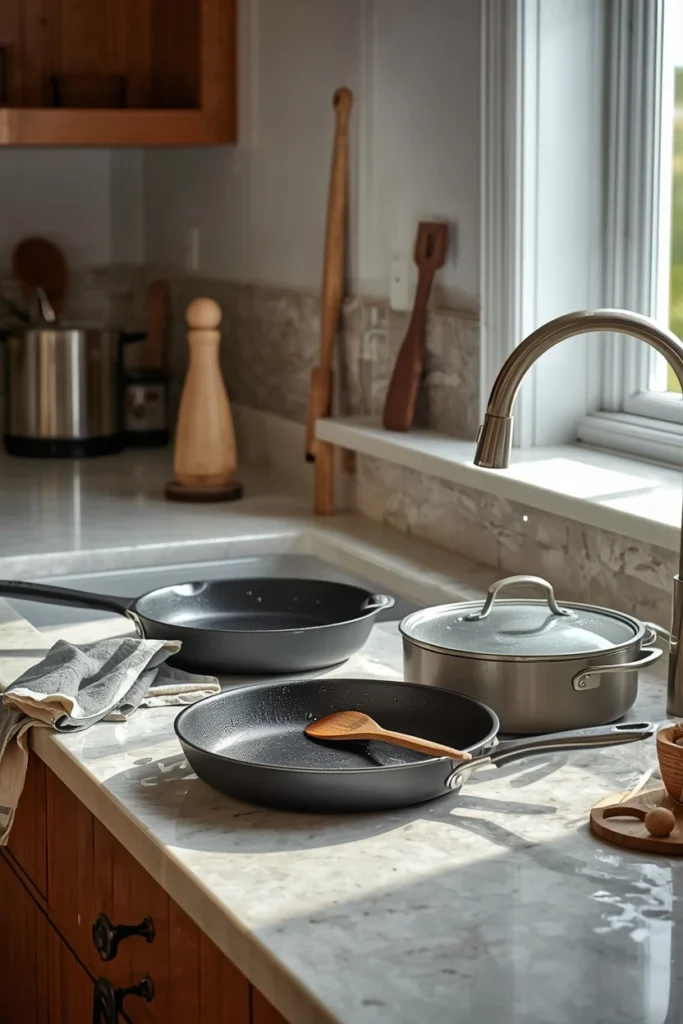
Buying good cookware means nothing if you treat it poorly. A few habits protect your investment and keep your pans performing like new for years.
- Preheat pans properly before adding oil or food, especially stainless steel
- Avoid extreme temperature changes, like running cold water over a hot pan
- Hand wash cast iron, never let it soak, and dry it immediately
- Use wooden or silicone utensils on nonstick surfaces to avoid scratches
Treat your cookware like a relationship. Neglect it, and it’ll eventually let you down at the worst possible moment, probably during a dinner party.
Final Thoughts
Choosing the best cookware set for your kitchen comes down to honesty about how you actually cook, not how you imagine cooking on your best day.
A mix of stainless steel, nonstick, and cast iron covers nearly everything a home cook needs without wasting money on pieces that collect dust.
Stop buying cookware based on what looks good in a box set photo. Buy based on what will actually survive your Tuesday night dinner rush and your questionable 2am grilled cheese cravings.
Your future self, standing over a perfectly seared steak instead of a warped, sticky mess, will thank you for it.
What Is The Best Cookware Set For A Beginner Home Cook?
A stainless steel tri-ply set paired with one nonstick pan works best for beginners. It handles most everyday cooking tasks without requiring special maintenance skills.
You’ll learn proper heat control faster with stainless steel than you would with trickier materials like copper.
Is Stainless Steel Or Nonstick Cookware Better For Everyday Cooking?
It depends on what you’re cooking, honestly. Stainless steel wins for searing, browning, and high heat cooking, while nonstick wins for eggs, pancakes, and delicate foods that stick easily.
Most home cooks benefit from owning both instead of picking a single side.
How Many Pieces Should A Good Cookware Set Actually Have?
You don’t need a massive 15-piece set collecting dust in your cabinets. A functional kitchen usually needs four to six core pieces: one large frying pan, one saucepan, one stockpot, and one skillet.
Quality matters far more than quantity here.
Is Cast Iron Cookware Worth The Extra Maintenance?
Yes, and it’s not even close. Cast iron lasts for decades, sometimes generations, and develops better nonstick properties the more you use it. The seasoning routine takes minutes and quickly becomes second nature.
How Much Should I Spend On A Quality Cookware Set?
Aim for the $100 to $300 range if you’re a regular home cook who wants durability without professional-grade pricing.
Anything under $100 typically wears out fast, while premium sets over $600 mainly benefit serious cooking enthusiasts. Spend based on how often you actually cook, not on marketing hype.