
Summer walks in, cranks up the thermostat of the whole planet, and suddenly your “cool enough” window unit feels like a decorative fan with delusions of grandeur.
I’ve owned three different air conditioners in the last five years, and I learned the hard way that not all of them earn the name. Some just move warm air around and call it a day.
This guide skips the marketing fluff and gets straight to what actually works.
I’ll walk you through the types of home air conditioners worth your money, the specs that matter, and the mistakes that leave people sweating through August. Grab a cold drink, because we’ve got real talk ahead.
Why Most People Buy the Wrong AC
Here’s an uncomfortable truth: most people buy an air conditioner based on price alone. I get it, nobody wants to overspend on a box that blows cold air.
But buying the cheapest unit in the aisle is how you end up with a room that stays at 78 degrees no matter how long you run it.
The real issue almost always comes down to sizing and cooling capacity, not brand names or fancy touchscreens. A unit that’s too small works overtime and still loses the battle against your living room.
A unit that’s too big cools too fast, shuts off before it removes humidity, and leaves your room feeling clammy.
So before you fall for a sleek design or a smart app, ask yourself: does this unit actually match my space? That one question saves more regret than any five-star review ever will.
Understanding BTUs (Without the Headache)
BTU stands for British Thermal Unit, and it measures how much heat an air conditioner can remove per hour. Higher BTU means more cooling power, but more isn’t always better.
Matching BTU to square footage is the single most important decision you’ll make.
Here’s a quick and dirty breakdown to keep in your back pocket:
- 150 to 250 square feet: 6,000 BTU
- 250 to 400 square feet: 8,000 to 10,000 BTU
- 400 to 550 square feet: 12,000 BTU
- 550 to 700 square feet: 14,000 BTU
- 700 to 1,000 square feet: 18,000 BTU
I once made the rookie mistake of grabbing an undersized unit for my bedroom because it was on sale.
The thing ran nonstop, my electric bill spiked, and my room still felt like a sauna at 2 a.m. Lesson learned: a discount means nothing if the unit can’t do its actual job.
The Main Types of Home Air Conditioners
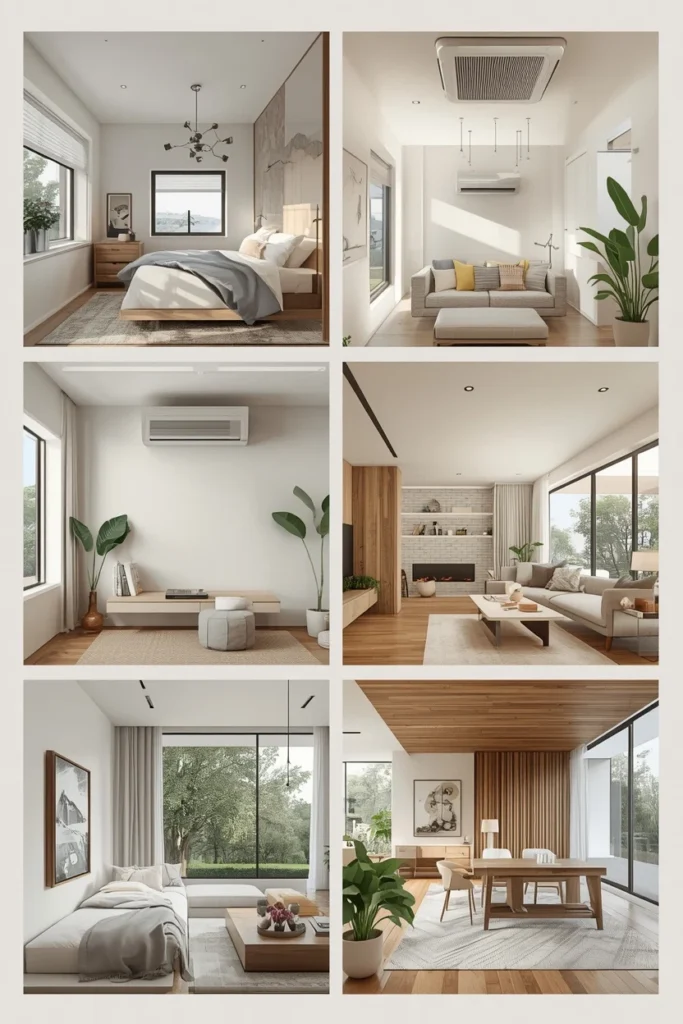
Not every home needs the same setup, and honestly, that’s the fun part. You get options, and each one solves a different problem. Let’s break down the main contenders.
Window Units
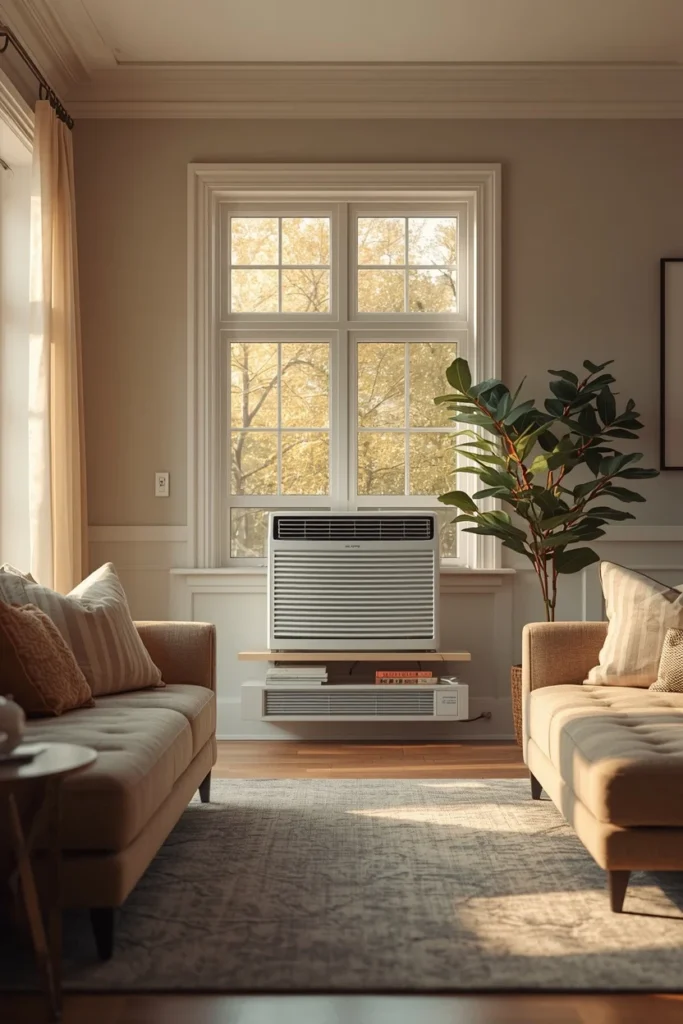
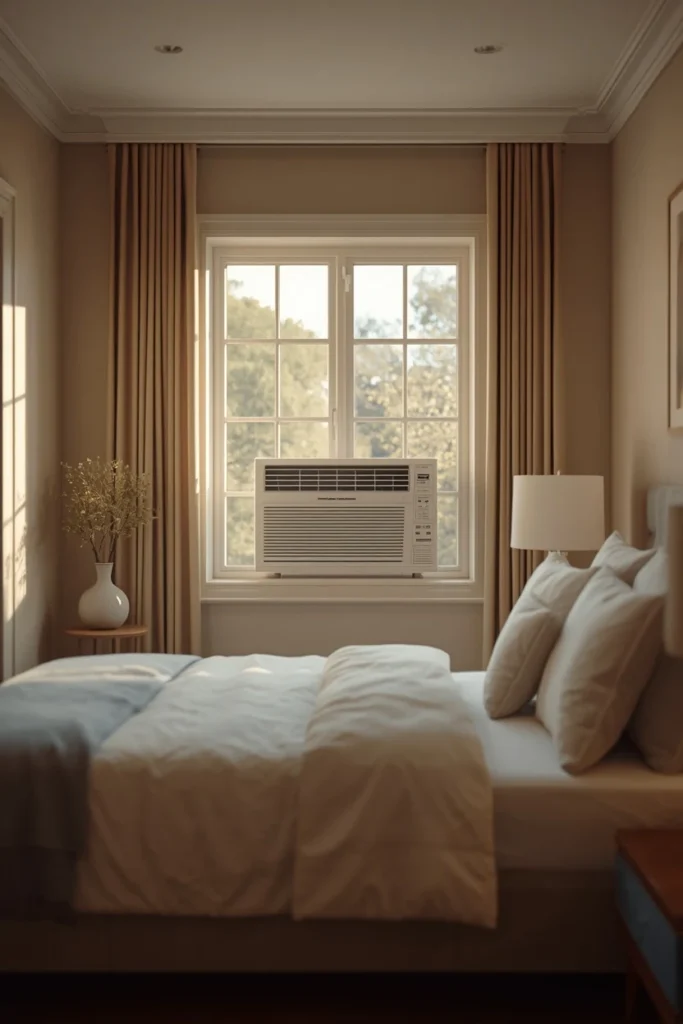
Window air conditioners remain the go to for renters and anyone who doesn’t want to commit to permanent installation. They sit in a window frame, vent hot air outside, and cool a single room efficiently.
They’re budget friendly and simple to install, though the trade off is losing natural light and a bit of your view.
I ran a window unit in my old apartment for two summers, and it kept my bedroom genuinely cold even during heat waves. Was it loud? A little. Did I care once I was asleep at a comfortable 68 degrees? Not even slightly.
Portable Air Conditioners
Portable units roll around on wheels and vent through a hose that runs out a window. They give you flexibility to move cooling from room to room, which sounds great in theory.
In practice, they tend to be less efficient than window units because of how the venting hose works.
Consider a portable unit if:
- You rent and can’t install a permanent fixture
- You need to cool different rooms at different times
- You don’t have a window that fits a standard unit
Just don’t expect miracles from one in a room bigger than 400 square feet.
I tried cooling a large open living room with a portable unit once, and it basically became an expensive noise machine that occasionally blew slightly less warm air.
Ductless Mini Split Systems
Mini splits have become the darling of the AC world, and honestly, the hype is earned.
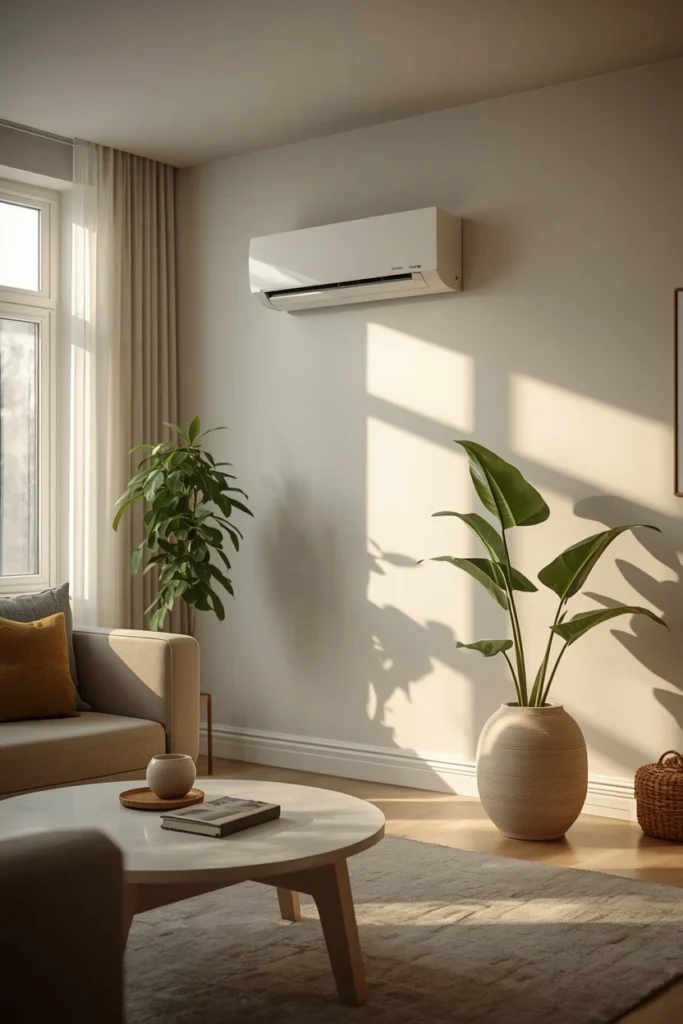
A ductless mini split system mounts on your wall, connects to an outdoor compressor, and delivers quiet, efficient cooling without ductwork. They also handle heating in colder months, which makes them a year round investment.
The upfront cost runs higher than a window unit, no question. But the energy savings and whisper quiet operation make a strong case over time.
I switched my home office to a mini split last year, and the difference in both noise and my electric bill genuinely surprised me.
Central Air Conditioning
Central air remains the gold standard for whole home cooling, especially if your house already has ductwork in place. It cools every room evenly, hides the equipment out of sight, and adds real value to your home.
The catch? Installation costs and maintenance requirements sit well above the other options.
Central air makes the most sense for:
- Larger homes with multiple rooms needing consistent cooling
- Homeowners planning to stay long term
- Anyone who values even temperature control over upfront savings
Energy Efficiency: The Part Nobody Wants to Talk About
Let’s be honest, energy efficiency ratings sound boring until your electric bill arrives and suddenly you care a lot.
Look for the Energy Efficiency Ratio (EER) or Seasonal Energy Efficiency Ratio (SEER) rating on any unit you’re considering. Higher numbers mean the unit cools more using less electricity.
ENERGY STAR certified units typically use about 10 percent less energy than standard models. That might not sound dramatic, but over a full summer, it adds up to real savings.
I switched to an ENERGY STAR rated unit two years ago, and my July bill dropped noticeably compared to the previous year with an older model.
Don’t just trust the sticker either. Read a few verified customer reviews and see if people report actual comfort, not just a shiny spec sheet.
A unit that looks efficient on paper but runs constantly to maintain temperature isn’t saving you anything.
Smart Features Worth Paying For (and Ones to Skip)
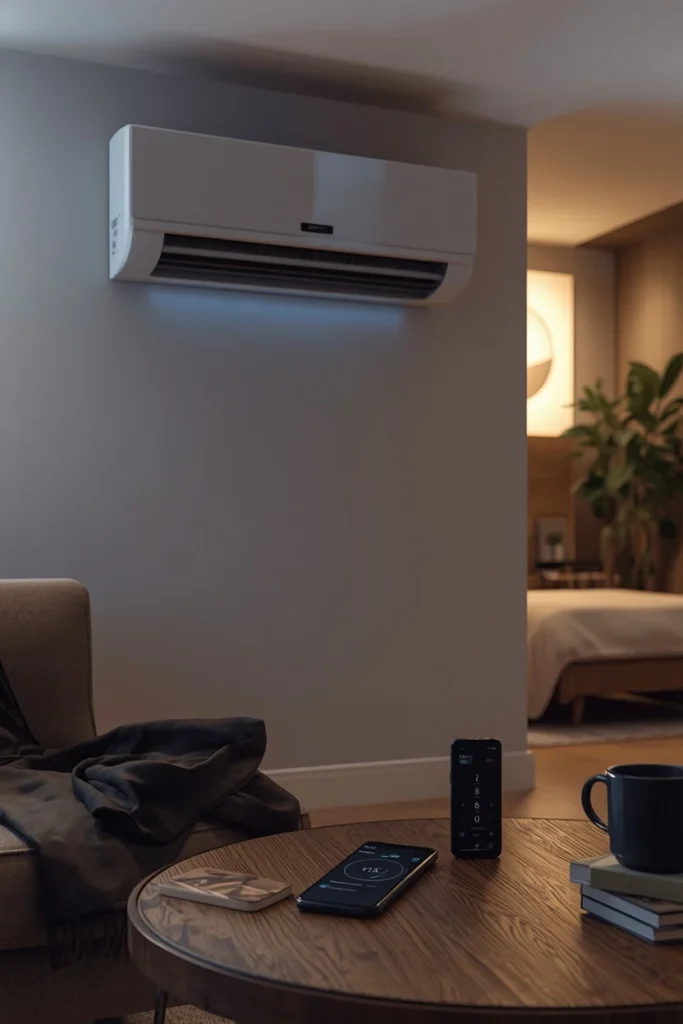
Smart air conditioners have flooded the market, and some features genuinely improve your day to day life. Others exist purely to justify a higher price tag. Here’s how to tell the difference.
Features worth the extra cost:
- Programmable schedules that adjust temperature automatically throughout the day
- App control so you can cool your home before you even walk in
- Sleep mode that gradually reduces cooling overnight to save energy
Features you can probably skip:
- Voice assistant integration if you already control your thermostat through an app
- Elaborate LED display panels that add cost without adding cooling power
- “Smart” sensors that claim to detect room occupancy but rarely work accurately
I’ll admit, I was skeptical about app control at first. Turns out coming home to a cold apartment after a long commute genuinely changes your mood.
That feature earned its keep. The voice assistant gimmick, though? I used it twice and never touched it again.
Placement and Maintenance Tips That Actually Matter
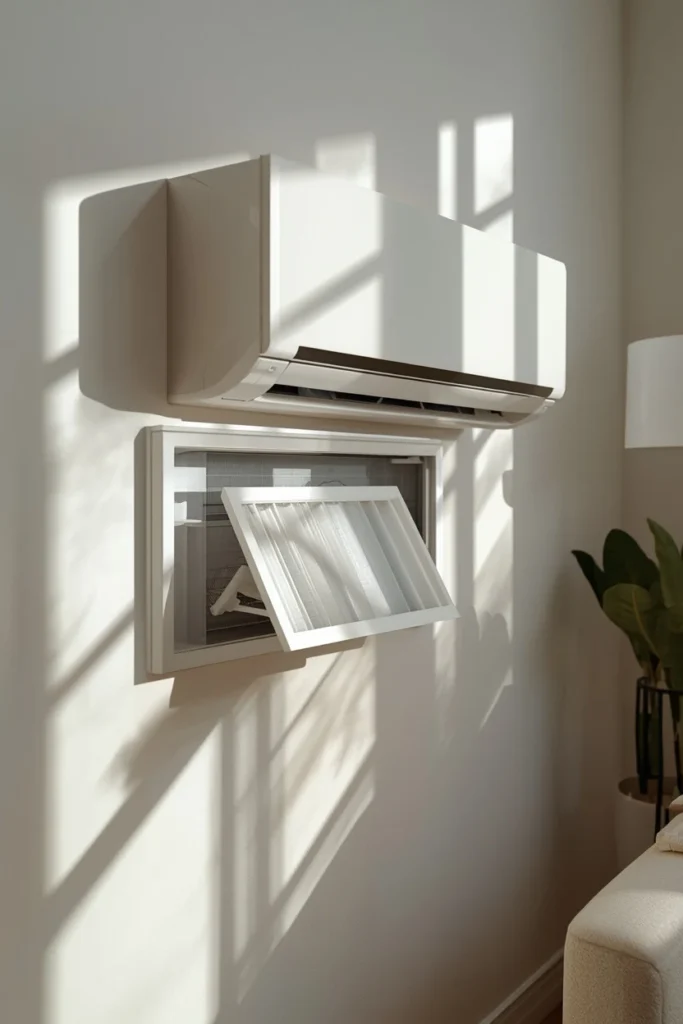
Buying the right unit only solves half the problem. Where you put it and how you maintain it determines whether it performs the way it should. Placement affects efficiency more than most people realize.
Keep these points in mind:
- Install window units on a shaded side of the house when possible, since direct sun forces the unit to work harder
- Keep at least a few inches of clearance around any unit for proper airflow
- Clean or replace filters every one to three months depending on usage
- Schedule a professional inspection annually for central air and mini split systems
Neglecting filter changes ranks as the number one reason air conditioners underperform. A clogged filter restricts airflow, forces the compressor to work overtime, and shortens the unit’s lifespan.
It takes five minutes to check a filter, and honestly, there’s no excuse to skip it.
Final Thoughts
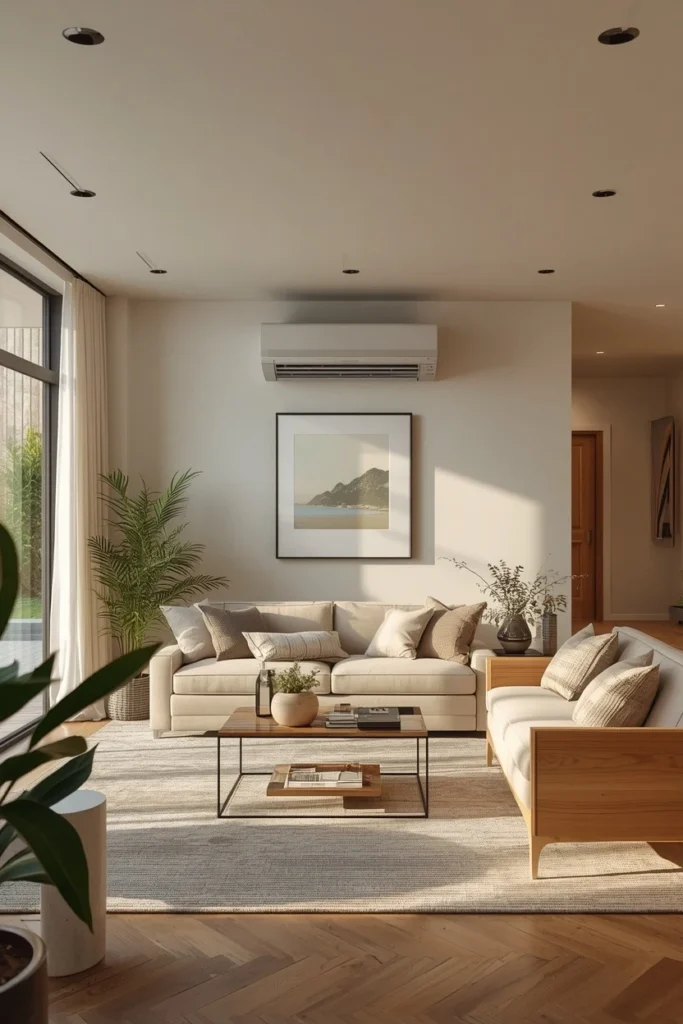
Choosing the right home air conditioner comes down to understanding your space, your budget, and what you actually need from the unit.
Match the BTU to your square footage, prioritize energy efficiency, and don’t get seduced by features you’ll never use.
Whether you go with a window unit, a portable model, a mini split, or full central air, the goal stays the same: a home that actually feels cool, not just marginally less hot.
I’ve learned these lessons through trial, error, and a few uncomfortably warm nights I’d rather forget.
Do your research, measure your room before you buy anything, and trust the specs over the packaging. Your future self, sitting comfortably in a properly cooled room, will thank you.
What Size Air Conditioner Do I Need For My Room?
Match the BTU rating to your square footage, not the size of the box on the shelf.
A room between 250 and 400 square feet generally needs 8,000 to 10,000 BTU, while a larger space of 700 to 1,000 square feet needs closer to 18,000 BTU.
Going bigger than necessary doesn’t mean better cooling, it just means wasted energy and a clammy room.
Are Portable Air Conditioners Worth Buying?
Portable units work well for renters or anyone who needs to move cooling between rooms.
They’re less efficient than window units because of how the exhaust hose loses cool air, so they struggle in rooms larger than 400 square feet. For a small bedroom or home office, though, they get the job done just fine.
How Often Should I Clean My AC Filter?
Clean or replace your filter every one to three months depending on how often you run the unit. A dirty filter restricts airflow, forces the compressor to overwork, and shortens the lifespan of your air conditioner.
It takes five minutes and saves you money on both repairs and your electric bill.
Do Mini Split Systems Really Save Money?
Yes, mini split systems typically cost more upfront but save money over time through higher energy efficiency and quieter operation.
They also handle heating in colder months, so you get year round value instead of a unit that sits unused half the year. Most homeowners notice the savings within the first full cooling season.
What Is The Difference Between EER And SEER Ratings?
EER measures cooling efficiency at a single outdoor temperature, while SEER measures efficiency across an entire cooling season with varying conditions.
Both ratings work the same way in that higher numbers mean better efficiency and lower energy bills. When comparing two similar units, always choose the one with the higher rating.