
Open your washer after a load sits for a few hours and catch that funky, swampy smell? Yeah, I know that smell.
It’s the scent of betrayal from an appliance that’s supposed to make things clean, not smell like a gym bag left in the trunk. I’ve fought this battle in my own laundry room, and I’m about to hand you every trick that actually worked.
This isn’t some abstract problem either. Mold loves washers because they’re dark, damp, and full of leftover detergent gunk for it to feast on.
The good news? You can absolutely stop it, and you don’t need a chemistry degree or a magic potion to do it.
Why Your Washer Grows Mold in the First Place
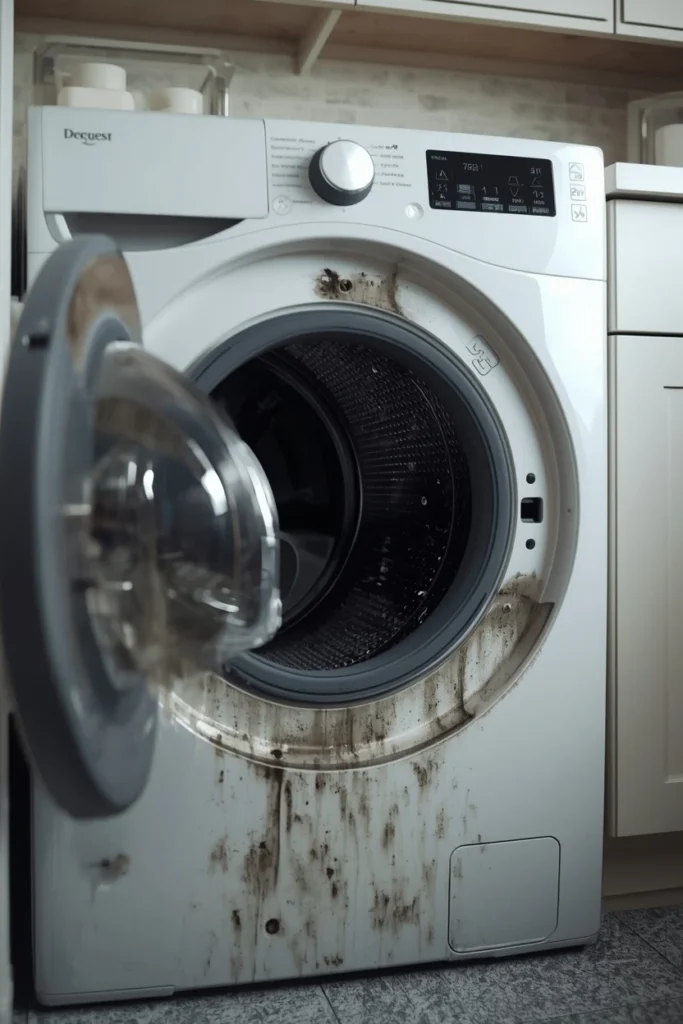
Your washing machine is basically a mold spa if you let it be. It has moisture, warmth, and organic material like detergent residue, fabric softener, skin cells, and lint.
Combine those three things and you’ve built a five-star resort for mold spores.
Front-loading washers get hit the hardest. Their rubber door gaskets trap water in the folds, and that seal rarely dries out completely between loads.
Top-loaders aren’t immune either, but they tend to air out faster since there’s no rubber gasket holding water hostage.
Here’s the kicker: modern washers use less water to save on your utility bill, which sounds great until you realize less water means less rinsing power.
Detergent residue sticks around longer than it used to, and that residue is mold’s favorite snack.
The Real Culprits Behind That Musty Smell
Ever wonder why the smell seems to come out of nowhere? It doesn’t. It builds up slowly from habits you probably don’t even think twice about.
- Leaving wet clothes in the drum too long after the cycle ends
- Closing the washer door immediately after use, trapping moisture inside
- Using too much detergent, which leaves a soapy film behind
- Washing everything in cold water only, which doesn’t kill bacteria as effectively
- Skipping regular cleaning of the drum, gasket, and dispenser trays
If any of these sound familiar, don’t feel bad. I did every single one of these for years before I got tired of my towels smelling like a locker room.
How to Prevent Mold and Musty Smells in Your Washer (The Actual Fixes)
Alright, let’s get into the good stuff. These are the habits and tricks that actually make a difference, not just some generic “clean your washer” advice you’ve read a hundred times.
Leave the Door Open Between Loads
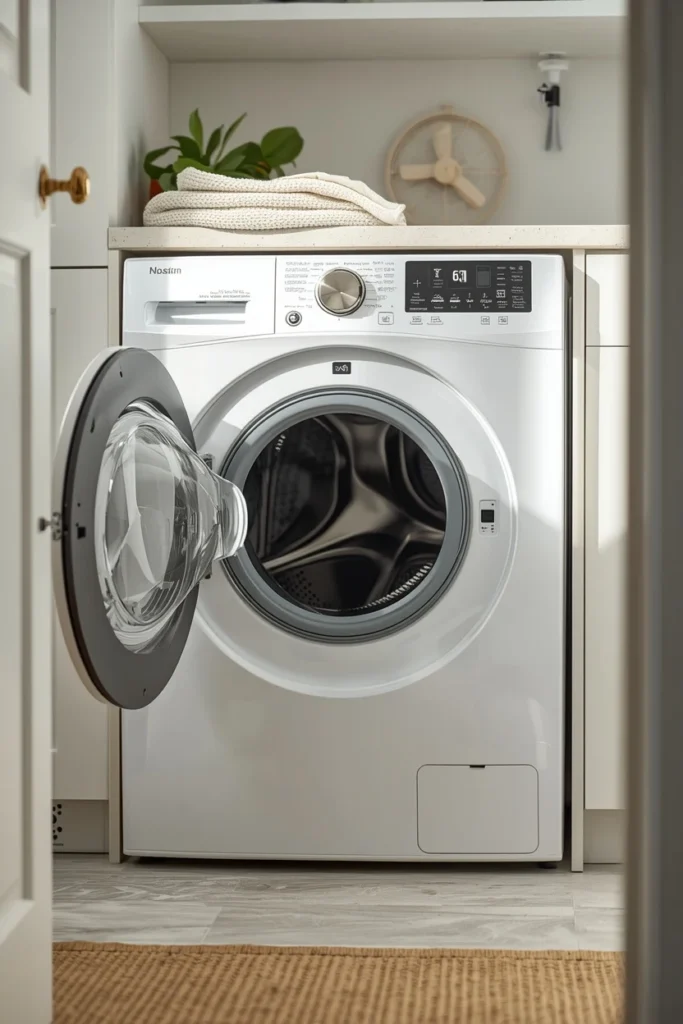
This one sounds too simple to work, but trust me, it’s the single biggest game changer. Leaving the washer door cracked open lets air circulate and dries out the drum and gasket instead of sealing in moisture.
I know it looks a little messy having the door hang open in your laundry room. But would you rather have a slightly awkward-looking appliance or clothes that smell like a wet dog? I’ll take the open door every time.
Wipe Down the Rubber Gasket Regularly
If you own a front-loader, that rubber seal around the door is basically mold’s home address. Water pools in the folds and just sits there, quietly breeding a colony you really don’t want to think about.
Grab a cloth and wipe the gasket dry after every wash, or at least a few times a week. Pull back the folds because that’s where the real gunk hides. This one habit alone can cut musty smells dramatically.
Don’t Overload on Detergent
More detergent doesn’t mean cleaner clothes. It actually means more residue left behind for mold to munch on, which is the opposite of what you want.
Use only the recommended amount, and consider switching to a high-efficiency (HE) detergent if your washer calls for one.
Regular detergent creates way too many suds in HE machines, and those extra suds don’t rinse out completely.
Run Hot Water Cycles Occasionally
Cold water washing saves energy and protects delicate fabrics, but it doesn’t do much to kill bacteria or dissolve built-up soap scum.
Every couple of weeks, run an empty cycle with hot water to flush out the residue that cold cycles leave behind.
Some washers even have a dedicated “sanitize” or “tub clean” setting for exactly this purpose. If yours has one, use it. If it doesn’t, hot water plus a cleaning product does the trick just fine.
Clean the Detergent and Fabric Softener Dispensers
Nobody thinks about these little trays until they’re crusted over with a science experiment gone wrong. Detergent and fabric softener residue builds up in there fast, and it’s a sneaky source of that musty smell.
Pull the tray out and rinse it under hot water once a week. Most trays are removable, so this takes about thirty seconds. Skipping this step is like cleaning your kitchen counters but never touching the sponge.
Deep Clean the Drum Monthly
Even with good habits, your washer needs a real deep clean now and then. Think of it like brushing your teeth versus getting a dental cleaning. Daily habits help, but sometimes you need the heavy-duty treatment.
Here’s a simple method that works:
- Run an empty cycle with two cups of white vinegar on the hottest setting
- Follow up with a second empty cycle using half a cup of baking soda
- Wipe down the drum, gasket, and door glass with a clean cloth once finished
- Leave the door open to air dry completely
Vinegar breaks down mineral deposits and kills odor-causing bacteria, while baking soda scrubs away lingering residue and neutralizes smells.
I do this once a month, and honestly, my washer smells better than some hotel laundry rooms.
Check Your Washer’s Location and Ventilation
Sometimes the smell isn’t really about the washer at all. It’s about the room. A laundry room with poor airflow keeps humidity trapped, and that humidity feeds mold growth everywhere, not just inside your machine.
If your laundry area feels stuffy or damp, crack a window or run a small fan after doing laundry. A dehumidifier works wonders too if your space tends to stay humid year-round.
Front-Load vs Top-Load: Which One Fights Mold Better?
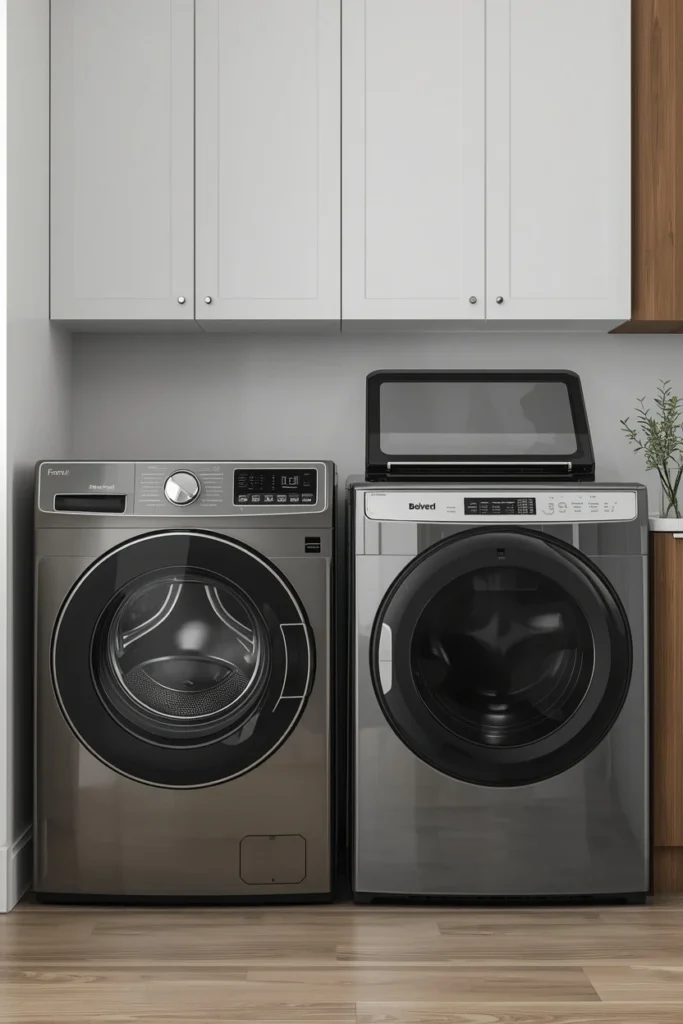
People ask me this constantly, so let’s settle it. Both types can develop mold, but they get there differently.
Front-loaders are more efficient with water and energy, but their door seals trap moisture like nobody’s business.
Top-loaders dry out faster naturally since there’s no gasket, but older models use way more water, which isn’t great for your bill or the environment.
My honest take? I’d rather deal with a front-loader and wipe the gasket regularly than deal with the water waste of an old-school top-loader.
But if you genuinely hate the maintenance routine, a top-loader might save you some hassle.
Signs Your Washer Already Has a Mold Problem
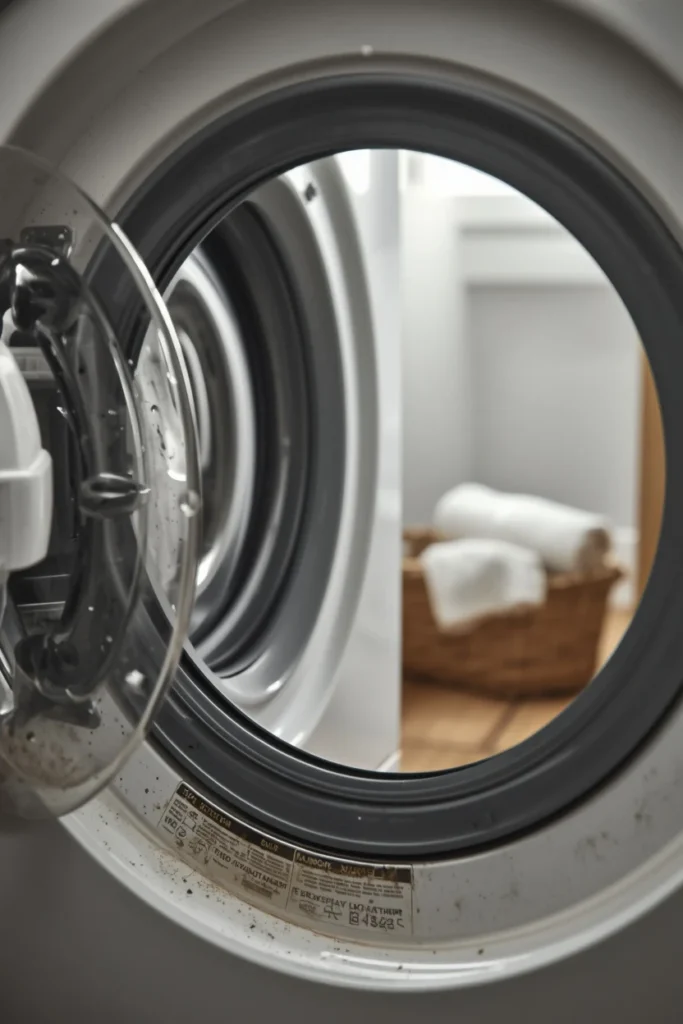
Sometimes prevention comes too late, and you need to know what you’re dealing with. Watch for these red flags:
- Black or dark spots around the door seal or dispenser trays
- Clothes smelling musty even right after washing
- Visible slime or discoloration inside the drum
- A persistent damp smell in the laundry room itself
If you spot any of these, don’t panic. It just means it’s time for that deep clean routine mentioned earlier, possibly done twice in a row for stubborn cases.
Final Thoughts
Preventing mold and musty smells in your washer really comes down to a handful of simple, consistent habits.
Leave the door open, wipe the gasket, don’t drown your clothes in detergent, and run a hot cleaning cycle now and then. None of this requires fancy gadgets or expensive products, just a little consistency.
I used to think a musty washer was just something I had to live with, like traffic or Mondays.
Turns out it wasn’t, and now my laundry room doesn’t smell like a swamp anymore. Give these tips a shot, and your towels will thank you.
Why Does My Washing Machine Smell Musty Even After Cleaning It
Residue can build up in hidden spots like the detergent dispenser tray or deep in the door gasket folds, even after a standard clean.
Run a hot water cycle with vinegar and check those hidden areas by hand, since a quick wipe-down often misses them.
How Often Should I Clean My Washing Machine To Prevent Mold
Wipe the gasket and dispenser tray weekly, and run a deep clean cycle with vinegar and baking soda once a month. Washers used daily or in humid climates may need this deep clean every two to three weeks instead.
Is It Bad To Leave Wet Clothes In The Washer Overnight
Yes, leaving wet clothes in the drum overnight creates the perfect breeding ground for mold and bacteria.
Transfer laundry to the dryer or a rack within an hour of the cycle ending to avoid trapping moisture against the fabric and drum.
Do Front Load Washers Get Moldy More Than Top Load Washers
Front-load washers tend to develop mold more often because their rubber door gasket traps water in its folds.
Top-load washers dry out faster naturally, though older models use more water and energy in the process.
Can I Use Bleach Instead Of Vinegar To Clean My Washer
Bleach can kill mold and bacteria, but it can also damage rubber seals and hoses with repeated use over time.
Vinegar and baking soda offer a gentler option that still breaks down residue and neutralizes odors effectively.