
Your microwave just exploded a bowl of spaghetti sauce, and you have five minutes before guests arrive.
Sound familiar? I have been there more times than I care to admit, and I promise you do not need a chemistry degree or a bottle of bleach to fix this mess.
I started experimenting with fast microwave cleaning hacks years ago after one too many late-night popcorn disasters.
What I found actually works stuck with me, and I still use these exact methods today. Let me walk you through them.
Why Your Microwave Gets So Gross So Fast
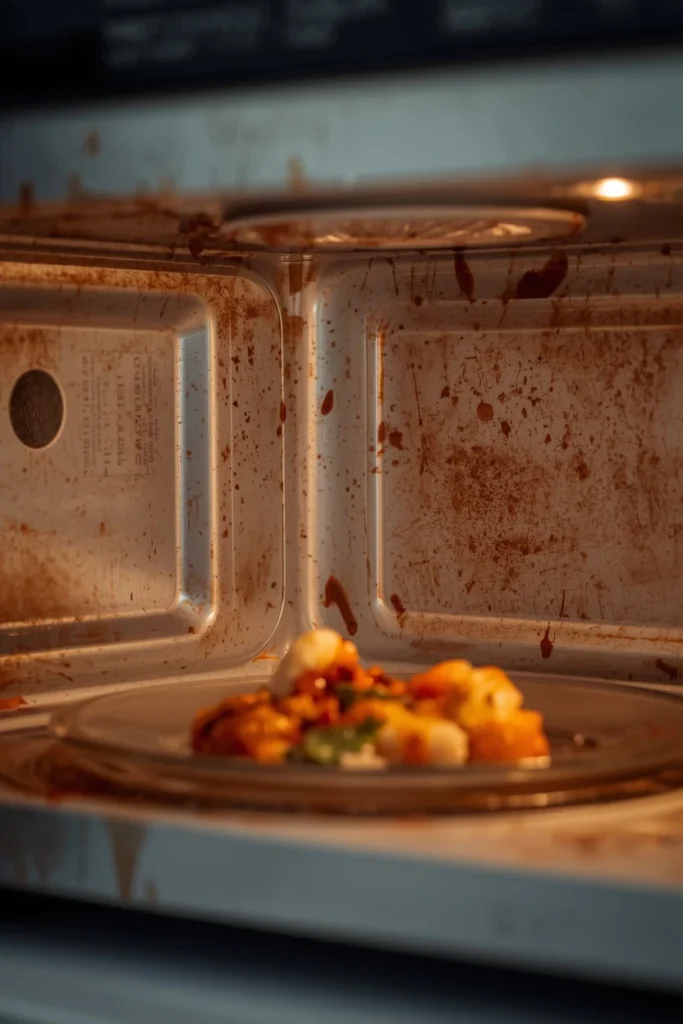
Microwaves trap steam, grease, and food splatter in a small enclosed box. Every time you heat something without covering it, tiny particles fly onto the walls and ceiling. Then the heat bakes them on like a tiny pottery kiln.
That crusty residue is not just ugly. It absorbs odors, and it can even affect how evenly your food heats up. Ever notice your microwave smells like last week’s fish long after you tossed the leftovers? That is baked-on gunk talking.
The good news is that grime buildup is almost always steam-softened before it gets removed, not scrubbed off dry. Once you understand that, cleaning becomes ten times easier and faster.
The Fastest Method: Steam It Clean
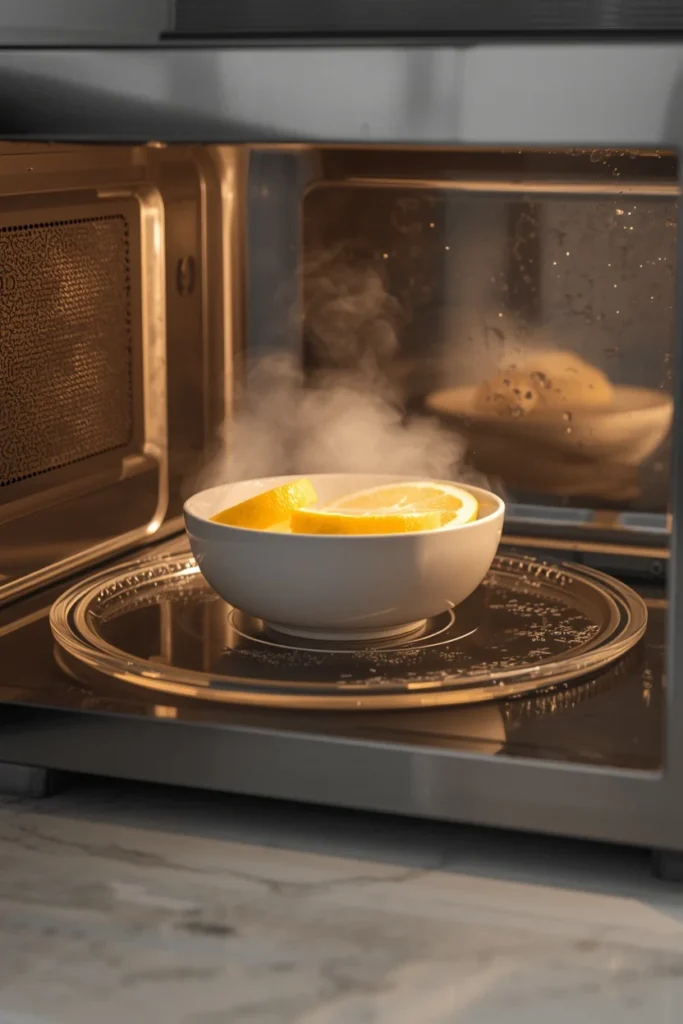
This is hands down my favorite trick, and it takes less effort than loading a dishwasher. Steam loosens grime without any scrubbing, which means you save your energy and your sponge.
What You Need
- A microwave-safe bowl
- Water
- White vinegar or a lemon (either works, though I lean toward lemon for the smell)
- A microfiber cloth or sponge
How To Do It
- Fill the bowl halfway with water and add a splash of vinegar or a few lemon slices.
- Place the bowl inside the microwave and run it on high for three to five minutes, until the window fogs up nicely.
- Leave the door closed for another two minutes so the steam keeps working.
- Open the door carefully (that bowl is hot) and wipe down the walls, ceiling, and turntable with your cloth.
Everything should slide right off. If a stubborn spot remains, give it a quick extra wipe with a damp corner of the cloth.
I have cleaned decade-old microwaves this way in under ten minutes, so do not tell me it does not work on tough stains.
Why Vinegar Beats Most Store-Bought Cleaners
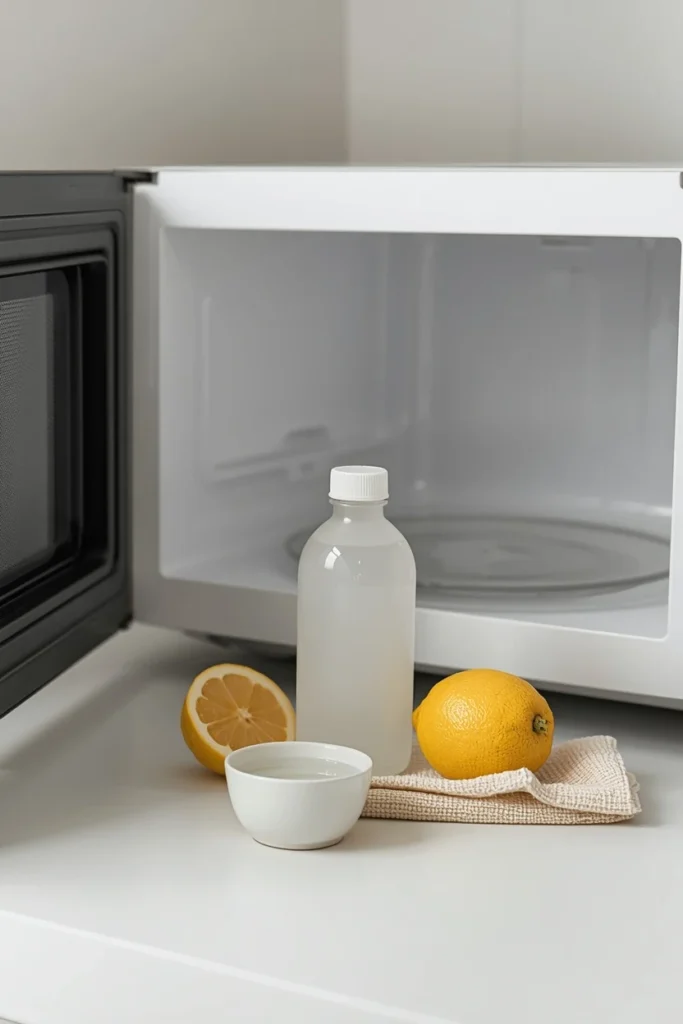
I get asked constantly whether a fancy spray cleaner works better than vinegar. Honestly? Not really, and here is why.
- Vinegar cuts grease just as effectively as many commercial degreasers.
- It neutralizes odors instead of masking them with artificial fragrance.
- It costs a fraction of the price of specialty microwave cleaners.
- It will not leave behind a chemical residue near your food.
Store-bought sprays smell nice on the shelf, sure, but do you really want a lemon-scented chemical cocktail sitting in a box where you heat your lunch? I will take a natural steam clean over that any day.
Speed Round: Cleaning Without a Microwave-Safe Bowl
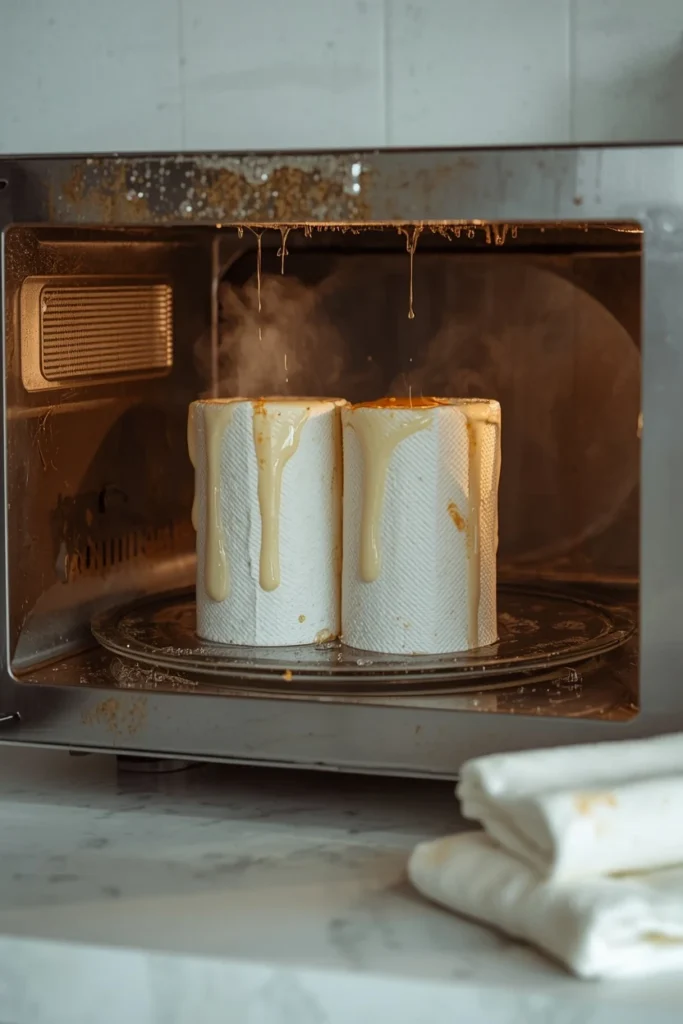
Not everyone has a bowl handy, and that is fine. You can still get a fast, effective clean using a damp paper towel instead.
Wet two or three paper towels until they are soaked but not dripping. Place them directly on the dirtiest spots inside the microwave, then run it on high for two minutes.
The steam released from the towels softens the grime almost as well as the bowl method.
Let the towels sit for a minute after the microwave stops, then use them to wipe everything down immediately. This method works great in a pinch, especially if you are already scrambling to get dinner on the table.
Tackling the Turntable and Tray
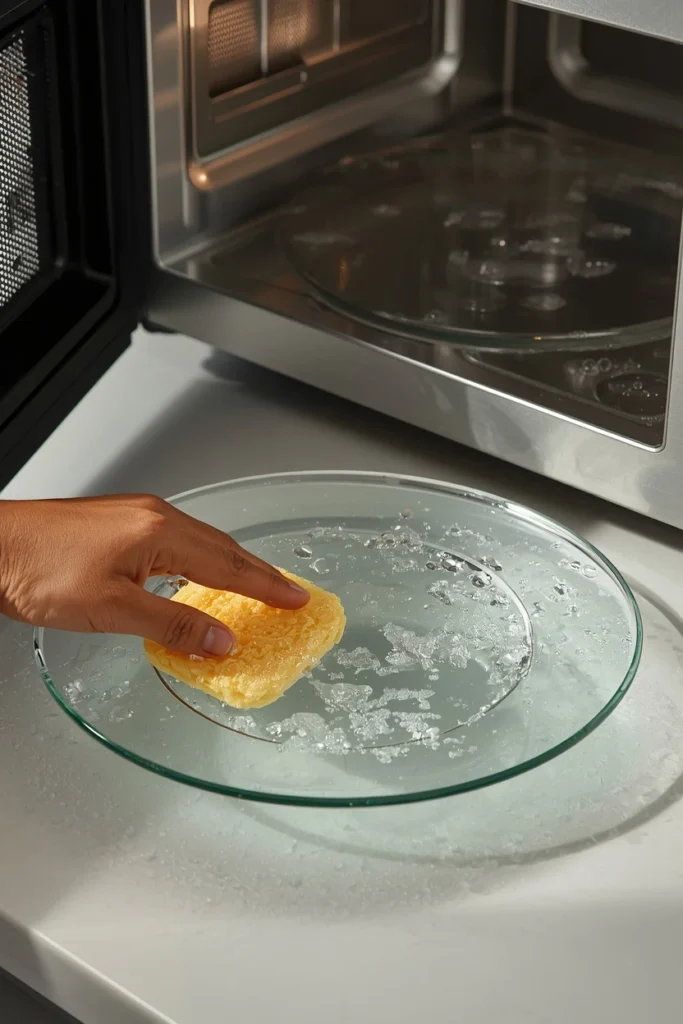
The turntable takes the most direct hit from spills, yet people often forget it can just come out. Pop it out and give it a proper wash instead of wiping around it like a hero avoiding extra work.
Cleaning the Turntable Fast
- Soak the turntable in warm, soapy water for two minutes while you clean the rest of the microwave.
- Scrub any stuck-on bits with a non-abrasive sponge.
- Rinse and dry it completely before placing it back inside.
Skipping this step is like mopping a floor and ignoring the rug in the middle. It defeats the purpose, and the smell will linger if you skip it.
What About the Door and Buttons?
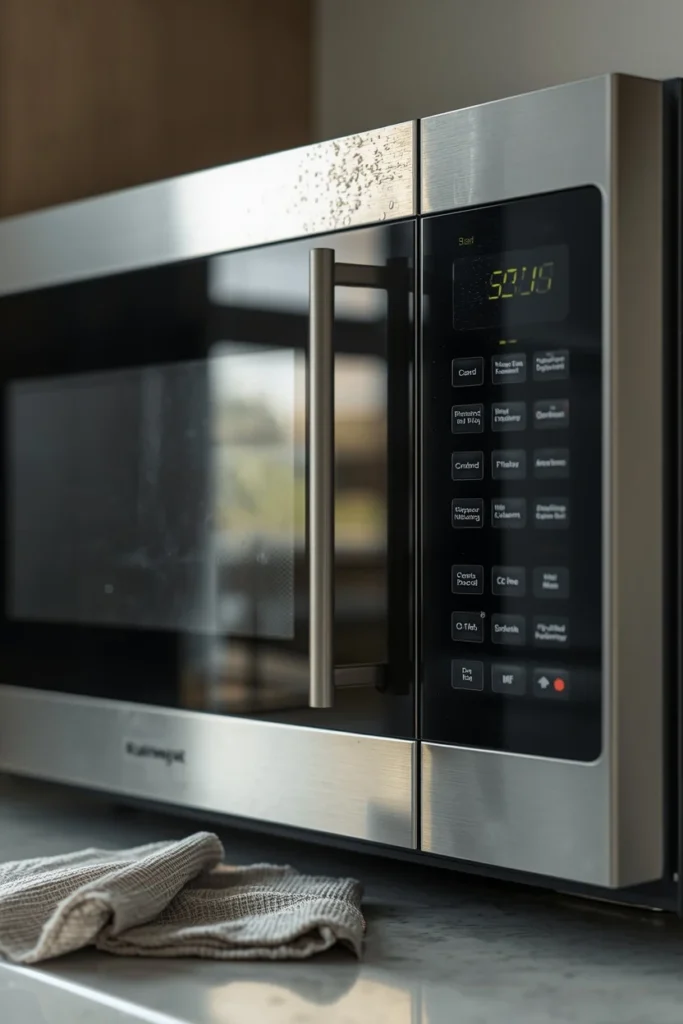
The inside gets all the attention, but the outside matters too, especially the door handle and control panel where everyone’s hands land constantly. A quick wipe here takes seconds and makes a real difference.
Use a slightly damp cloth with a drop of dish soap for the exterior. Avoid spraying cleaner directly onto the buttons, since liquid can seep into the panel and cause issues over time.
I learned that lesson the hard way with a microwave that started beeping randomly for no reason.
For the door seal, run a cotton swab or an old toothbrush along the rubber edge. Crumbs and grease love to hide there, and that little strip gets ignored more than it should.
Common Mistakes That Slow You Down
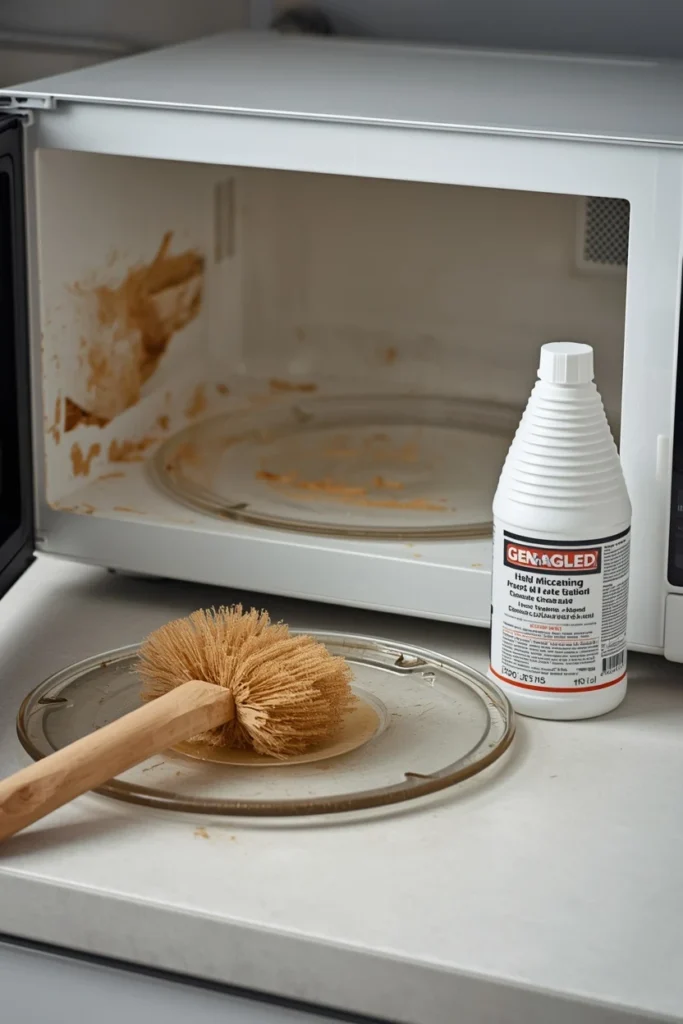
Even with the best intentions, people make cleaning harder than it needs to be. Avoid these habits if you want a genuinely fast clean.
- Scrubbing dry grime instead of steaming it first. You will just wear yourself out for nothing.
- Using abrasive scrubbers or steel wool, which scratch the interior coating.
- Skipping the turntable because it seems like extra work.
- Ignoring the door seal, where bacteria and odor tend to build up.
- Using bleach or ammonia-based cleaners, which can leave harmful fumes trapped in an enclosed space.
Cutting corners here does not save time. It just means you end up doing the whole job again next week.
How Often Should You Actually Clean It?
A quick wipe after any spill keeps buildup from turning into a battle later. For general upkeep, a full steam clean once a week keeps things fresh without much effort at all.
If you use your microwave daily like most of us do, that weekly habit prevents the kind of crusty mess that takes real elbow grease to remove. Think of it as maintenance rather than a chore, and it stops feeling like a big deal.
Final Thoughts
Cleaning a microwave fast really comes down to one principle: let steam do the hard work for you.
Skip the harsh chemicals, skip the scrubbing marathon, and let a bowl of water and vinegar handle the heavy lifting while you do something more enjoyable with your time.
Next time your microwave looks like a crime scene from last night’s dinner, you already know exactly what to do. Grab a lemon, set the timer, and let steam work its quiet little miracle while you go do literally anything else.
What Is The Best Way To Clean A Microwave Fast?
The fastest method is steaming a bowl of water mixed with vinegar or lemon slices inside the microwave for three to five minutes. The steam loosens baked-on grime so it wipes away without scrubbing.
Can I Clean A Microwave Without Vinegar?
Yes, plain water works too, though it will not cut through grease and odor quite as well. A splash of lemon juice or a squeeze of dish soap in the water gives you a similar boost if you are out of vinegar.
How Long Should I Steam My Microwave To Clean It?
Three to five minutes on high heat is usually enough to fog up the window and loosen the mess. Let it sit for another two minutes with the door closed before wiping, since the trapped steam keeps softening the grime.
Is It Safe To Use Bleach Inside A Microwave?
No, bleach and other harsh chemicals can leave fumes trapped in the enclosed space and may react poorly with the interior surface. Stick to natural options like vinegar or lemon, which clean effectively without the risk.
How Often Should I Clean My Microwave?
A quick wipe after any spill keeps things from getting out of hand, and a full steam clean once a week handles general buildup.
Daily users especially benefit from that weekly habit, since it prevents crusty messes from forming in the first place.