
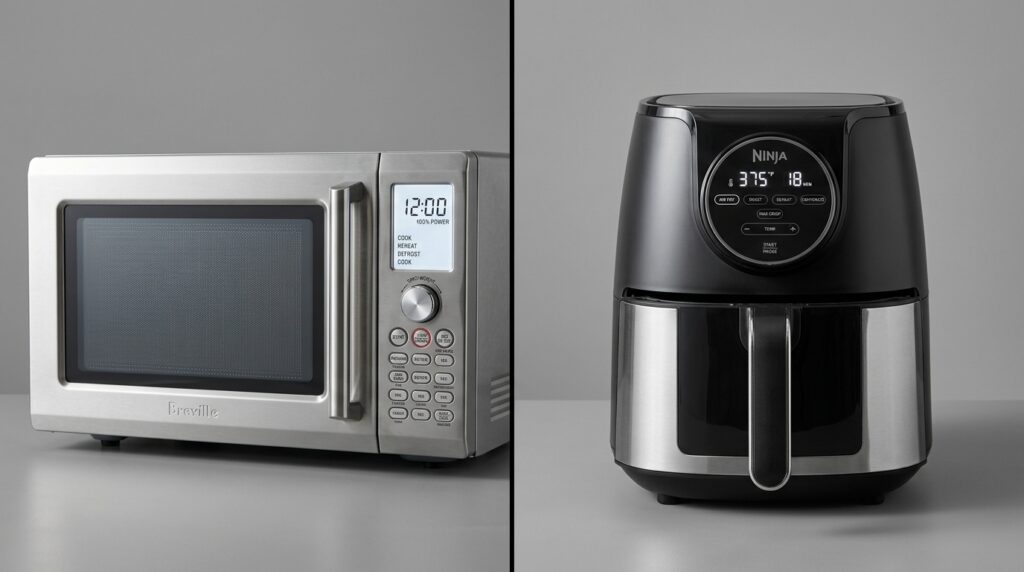
Modern kitchens are filled with appliances designed to make cooking faster and easier. Two of the most popular options today are microwave ovens and air fryers. While both save time in the kitchen, they serve entirely different purposes and excel in different areas.
If you are wondering whether to buy a microwave or an air fryer, this comprehensive 2026 guide will help you understand the key differences, benefits, and best uses for each appliance so you can make the right investment.
What Is a Microwave?
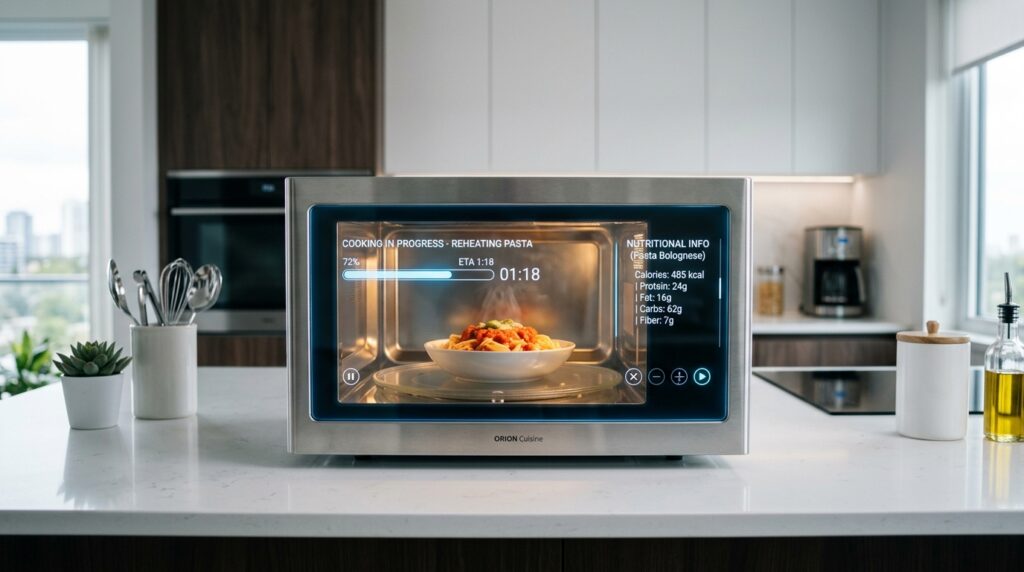
A microwave oven is a staple kitchen appliance that uses electromagnetic waves to heat and cook food rapidly. Unlike conventional ovens that heat the ambient air around the food, microwaves penetrate the food directly, causing water molecules to vibrate. This internal vibration generates heat, allowing food to warm up significantly faster than traditional methods.
Microwaves are an essential tool for busy households due to their unparalleled speed. They are commonly used for reheating leftovers, defrosting frozen meats, preparing ready-made meals, melting ingredients (like butter or chocolate), and boiling liquids.
Pros of a Microwave
- Extremely fast cooking and reheating
- Energy efficient for short cooking tasks
- Convenient for busy households
- Available in a wide range of sizes and prices
- Great for heating beverages, soups, and leftovers
Cons of a Microwave
- Does not produce crispy textures
- Limited browning and roasting capabilities
- Some foods may heat unevenly
What Is an Air Fryer?
An air fryer is a versatile convection appliance that cooks food by circulating extremely hot air at high speeds. This process—often called rapid air circulation—creates a crispy, golden-brown exterior similar to traditional deep-frying, but requires little to no cooking oil.
Air fryers have surged in popularity because they provide the satisfying crunch of fried comfort foods with a fraction of the calories and fat.
Pros of an Air Fryer
- Produces crispy and crunchy foods
- Uses less oil than traditional frying
- Ideal for healthier cooking
- Excellent for fries, chicken, vegetables, and snacks
- Can roast, bake, and reheat food
Cons of an Air Fryer
- Longer cooking times compared to microwaves
- Smaller cooking capacity in some models
- Can take up more counter space
| Feature | Microwave | Air Fryer |
|---|---|---|
| Cooking Speed | Very Fast | Moderate |
| Crispy Results | No | Yes |
| Reheating Leftovers | Excellent | Good |
| Oil Usage | None | Very Little |
| Healthy Cooking | Good | Excellent |
| Energy Efficiency | High | High |
| Versatility | Moderate | High |
| Counter Space Required | Compact | Larger |
| Best For | Reheating, defrosting, quick meals | Crispy foods, roasting, baking |
| Cooking Method | Electromagnetic waves | Rapid hot air circulation |
| Preheating Required | No | Often Yes |
| Food Texture | Soft and moist | Crispy and crunchy |
| Typical Price Range | Budget to premium | Budget to premium |
| Ease of Cleaning | Easy | Easy to Moderate |
Which Appliance Is Better for Reheating Food?
When it comes to reheating food, the microwave is generally the better choice for speed and convenience. Most leftovers can be heated in just one to three minutes, making the microwave ideal for busy mornings, quick lunches, and fast dinners. Foods such as soups, stews, rice, pasta, vegetables, and beverages reheat efficiently in a microwave while retaining their moisture.
However, microwaves are not perfect for every type of food. Crispy foods such as French fries, fried chicken, onion rings, and pizza often become soft or soggy when reheated in a microwave because the appliance heats moisture within the food rather than crisping the exterior.
This is where an air fryer has a significant advantage. By circulating hot air around the food, an air fryer restores the crispy texture that many foods lose after being refrigerated. Leftover pizza develops a crisp crust, fries regain their crunch, and fried chicken becomes crispy on the outside while remaining tender inside.
The trade-off is time. Air fryers typically take longer than microwaves and may require a few minutes of preheating. While a microwave can reheat a meal in two minutes, an air fryer may take five to ten minutes to achieve the best results.
Quick Recommendation
Choose a microwave for soups, rice, pasta, vegetables, beverages, and general leftovers when speed is your priority.Choose an air fryer for pizza, fries, chicken, pastries, and other foods that taste best with a crispy texture.
Choose an air fryer for pizza, fries, chicken, pastries, and other foods that taste best with a crispy texture.
For many households, using both appliances provides the best of both worlds: the microwave for quick reheating and the air fryer for restoring crispiness and freshness to leftover foods.
Deep Dive: Key Differences Explained
1. Which Is Better for Reheating Food?
When it comes to pure speed, the microwave wins. Most leftovers can be piping hot in under two minutes, making it the king of quick lunches and busy mornings. It is the perfect choice for retaining moisture in foods like soups, stews, rice, pasta, and vegetables
However, microwaves fail miserably on foods that are supposed to be crunchy. Leftover pizza, french fries, and fried chicken quickly become rubbery or soggy in a microwave
This is where the air fryer shines. By circulating hot, dry air, an air fryer evaporates surface moisture to fully restore the original crunch. Leftover pizza gets a crispy crust, and fries regain their restaurant-quality bite.
Quick Recommendation: Use a microwave for liquid-based meals, rice, and quick drinks. Use an air fryer for pizza, pastries, meats, and anything you want to keep crispy.
2. Which Is Better for Healthy Cooking?
The air fryer is the undisputed winner for healthy meal preparation. It allows you to cook raw meats, seafood, and vegetables to crispy perfection with just a light spritz of oil. If you are trying to cut back on the fats associated with traditional frying without sacrificing texture, an air fryer belongs in your kitchen.
3.Which Is More Versatile?
Air fryers offer greater cooking flexibility. Many models can:
- Air fry
- Roast
- Bake
- Reheat
- Dehydrate
Some advanced air fryers can even replace multiple kitchen appliances.
4. Which Appliance Saves More Time?
If your absolute top priority is saving time, buy a microwave. While an air fryer is faster than a standard conventional wall oven, it still requires a preheating period and a longer cooking cycle than a microwave’s rapid electromagnetic heating.
Who Should Buy a Microwave?
A microwave is the best fit for your kitchen if you value convenience above all else, frequently defrost frozen ingredients, or primarily reheat wet foods like stews, coffee, and pasta.
A microwave is ideal if you:
- Frequently reheat leftovers
- Need quick meal preparation
- Have limited kitchen space
- Want an affordable appliance
- Value convenience above all else
Best Microwave Brand: Panasonic (Our Top Pick)
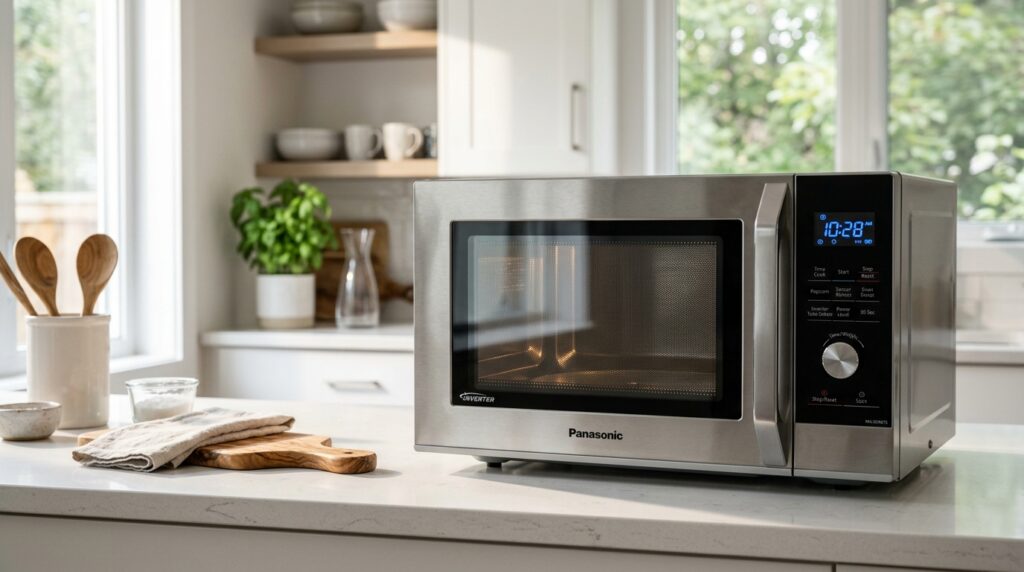
Panasonic is widely regarded as an industry leader in microwave technology, primarily due to its innovative Inverter Technology. Unlike traditional microwaves that cycle their power on and off (meaning they switch between 100% power and 0% power to simulate medium heat), Panasonic delivers a continuous, steady stream of energy. This results in incredibly even defrosting and heating without overcooking the edges of your food.
Why Choose Panasonic?
- Even and consistent heating
- Durable construction
- User-friendly controls
- Energy-efficient operation
- Available in a range of sizes and price points
Who Should Buy an Air Fryer?
An air fryer is the perfect addition to your counter if you love crispy textures, want a healthier alternative to deep frying, enjoy experimenting with new recipes, and want a multi-functional cooker.
An air fryer is perfect if you:
- Enjoy crispy foods
- Want healthier alternatives to deep frying
- Cook snacks and appetizers regularly
- Like experimenting with different recipes
- Want more cooking versatility
Best Air Fryer Brand: Ninja (Our Top Pick)
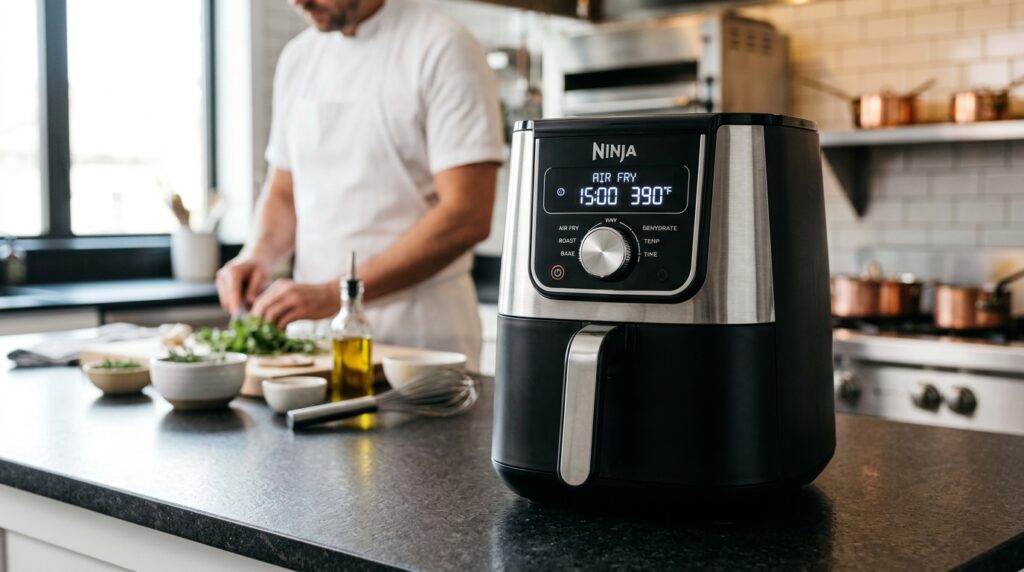
Ninja has earned a stellar reputation for manufacturing powerful, user-friendly air fryers that consistently out-crisp the competition. Many of their top models feature dual-zone baskets (allowing you to cook two separate foods at different temperatures simultaneously) and include multiple built-in functions like roasting, baking, and dehydrating.
Why Choose Ninja?
- Excellent crisping performance
- Fast cooking times
- Easy-to-clean components
- Multiple cooking functions
- Consistently high customer ratings
Should You Buy Both?
For many households, the best solution is owning both appliances. A microwave handles quick reheating and defrosting, while an air fryer provides superior cooking performance and crispy textures.
Together, they complement each other and cover nearly all everyday cooking needs.
Final Verdict
If you must choose just one appliance for a fast-paced lifestyle focused on quick meal prep, a microwave remains a foundational kitchen necessity. However, for most modern kitchens in 2026, an air fryer delivers significantly better culinary results and healthier, tastier meals.
Ultimately, because they serve completely opposite texturing purposes, they complement each other perfectly. For many households, owning both offers the ultimate kitchen setup: the microwave handles the rapid heating, while the air fryer takes care of the crunch!