
A great vacuum cleaner does not just pick up dirt. It saves you time, protects your floors, reduces allergens in the air, and makes one of the least enjoyable household chores feel genuinely manageable.
The wrong one, however, runs out of battery mid-clean, loses suction after two months, or weighs so much it becomes a workout just getting it out of the closet.
The vacuum cleaner market in 2026 spans everything from intelligent robot models that clean while you sleep to ultra-lightweight cordless sticks that handle a full apartment in one charge.
Knowing which category fits your lifestyle is just as important as knowing which brand to trust.
We tested and ranked the top vacuum cleaners of 2026 across five key categories: upright, cordless, robot, handheld, and canister. Whether you have carpet, hardwood, pets, or all three, there is a clear best choice for your home below.
Let’s help you clean smarter, not harder
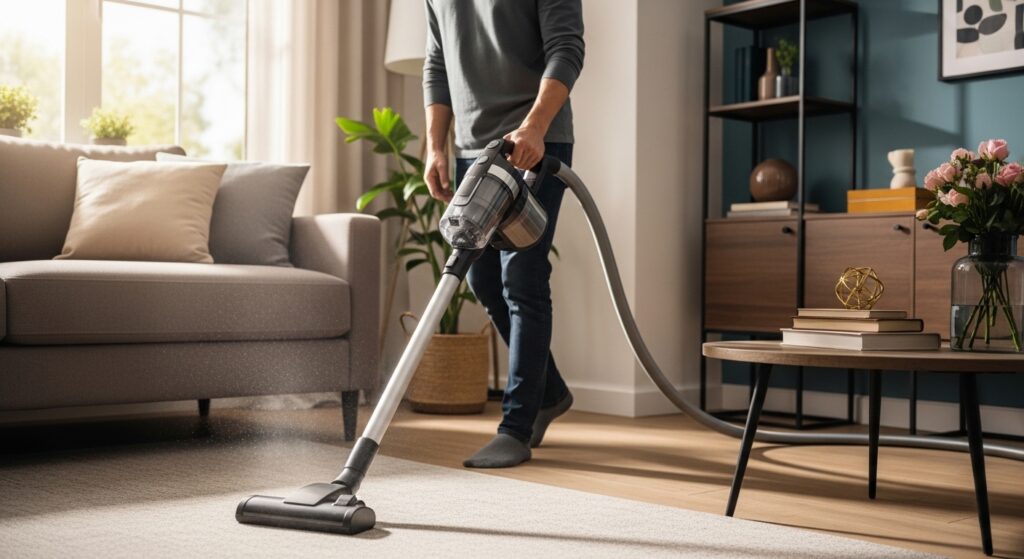
cleaning the living room with a modern vaccum cleaner
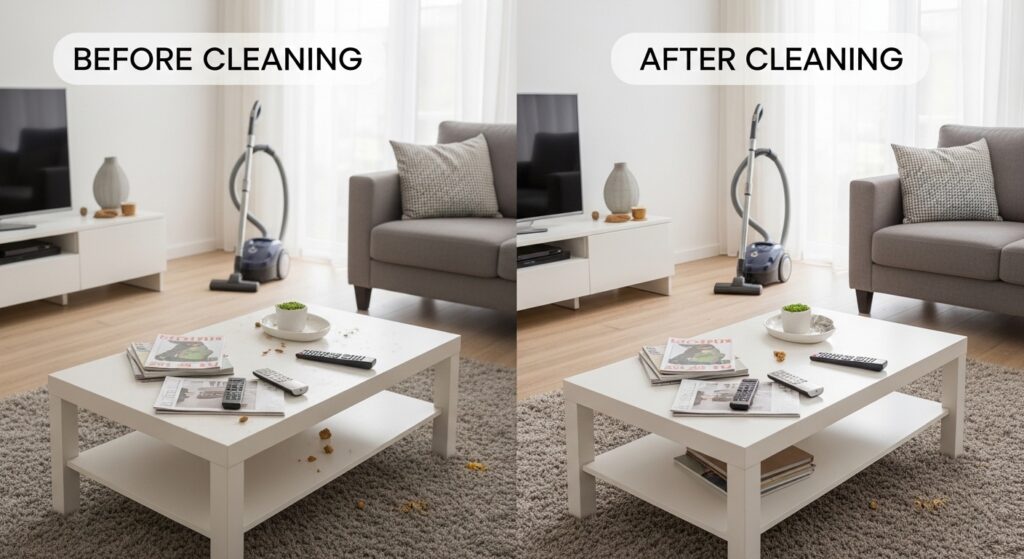
Before vs after cleaning a modern living room with a vacuum cleaner
Types of Vacuum Cleaners (Choose What Fits Your Home)
Understanding the different types helps you avoid buying the wrong one.
Upright Vacuum Cleaners
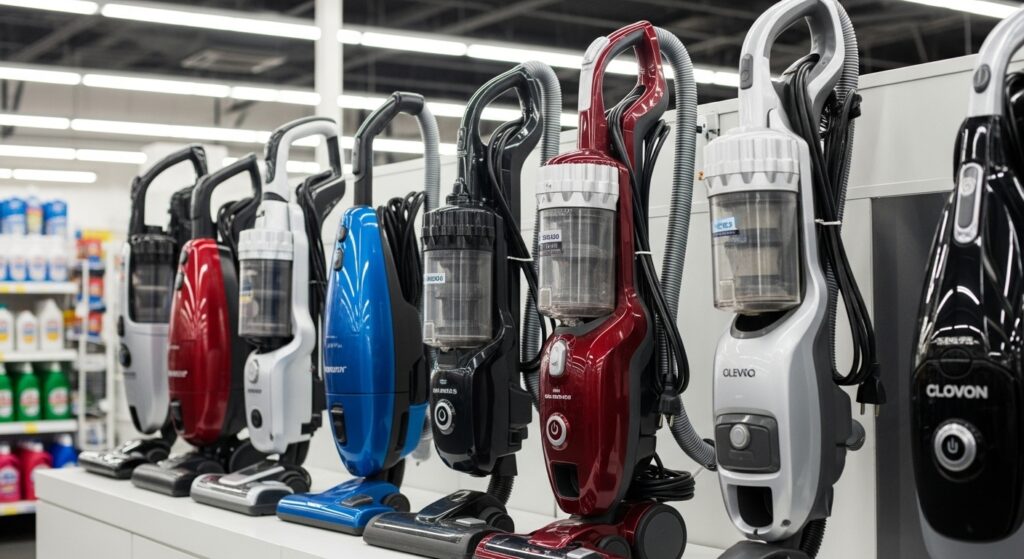
The traditional full-size format, typically corded, with the motor and dustbin sitting above the cleaning head on an upright handle.
Best suited to homes with large areas of carpet where deep, consistent suction over a long session is the priority.
Heavier than most alternatives (usually 12 to 18 lbs) but require no charging and deliver uninterrupted cleaning power. Not ideal for homes with lots of stairs or tight corners.
Stick Vacuum Cleaners
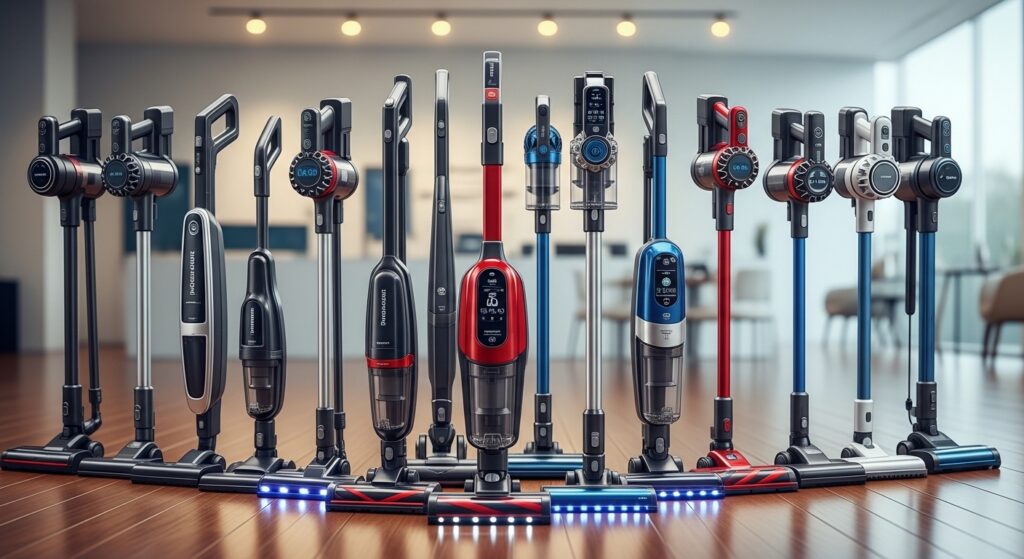
The fastest-growing category in home cleaning. Lightweight (typically 5 to 8 lbs), battery-powered, and versatile enough to convert between floor and handheld mode in seconds.
Ideal for hard floors, low-pile carpets, and quick daily cleanups.
The main limitation is battery life, typically 30 to 60 minutes per charge, which is sufficient for most apartments and medium-sized homes but may require mid-session recharging in larger spaces.
Robot Vacuum Cleaners
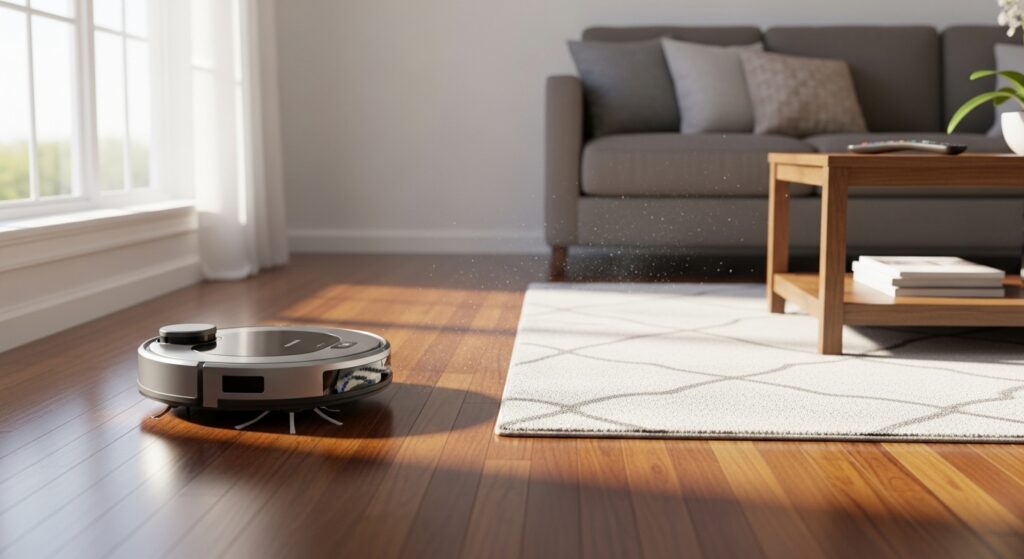
Fully autonomous vacuums that map your floor plan and clean on a schedule without any manual input. The best 2026 models include self-emptying bases, wet mopping functions, and AI-powered obstacle avoidance.
They are not a replacement for a deep clean but are exceptional at maintaining cleanliness between full cleaning sessions.
Ideal for busy households, pet owners dealing with daily hair accumulation, and anyone who values automation.
Handheld Vacuum Cleaners
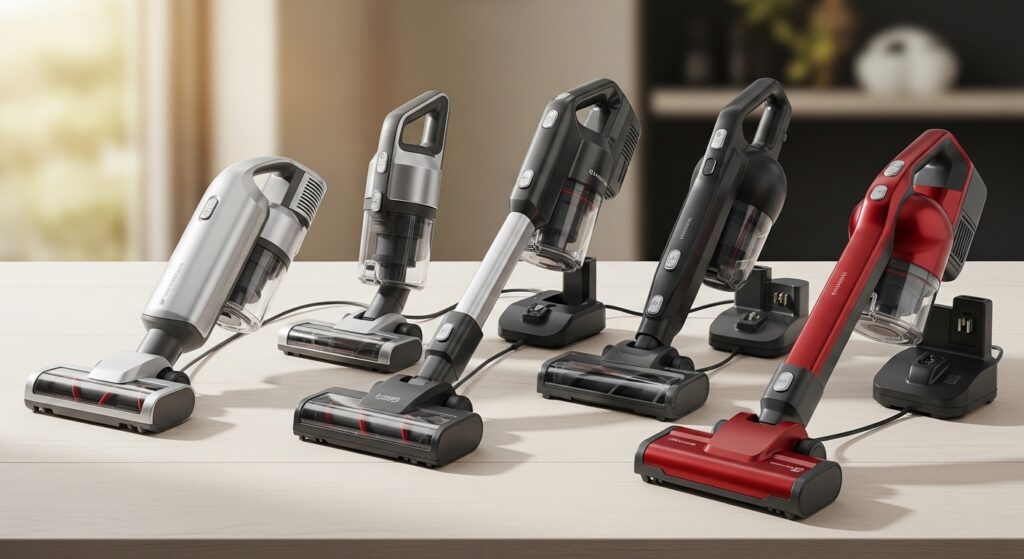
Compact, lightweight, and designed for spot cleaning rather than whole-floor sessions. Best for car interiors, upholstery, stairs, and quick crumb cleanups in the kitchen.
Most run on rechargeable batteries. Not intended as a primary vacuum but an excellent secondary tool that complements any full-size or cordless model.
Best Vacuum Cleaners for Easy Home Cleaning
1. Dyson V7 Motorhead Cordless Vacuum
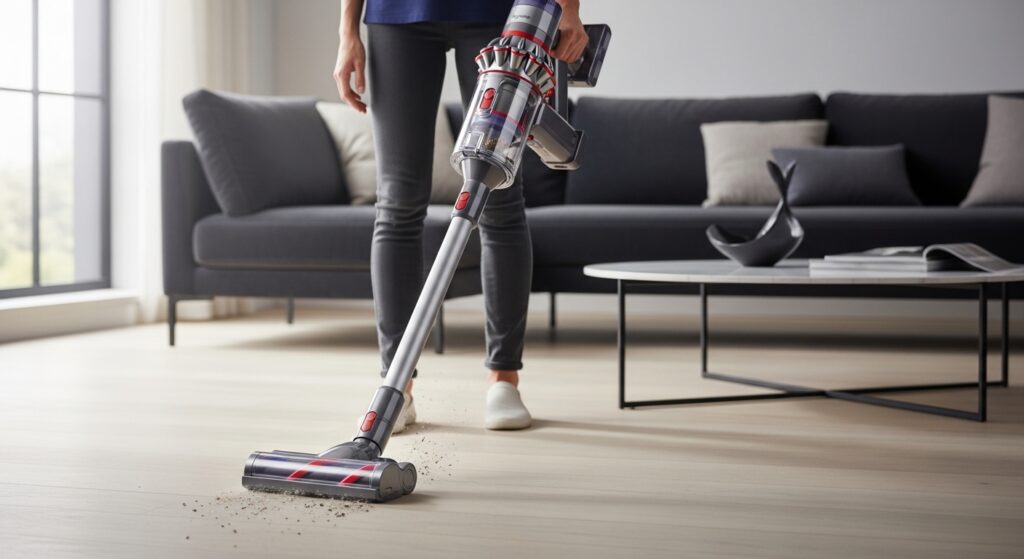
Why it stands out:
- Powerful suction
- Cordless convenience
- Lightweight design
Pros:
- Easy to carry around
- Great for carpets and hard floors
Cons:
- Slightly expensive
2. Xiaomi Mi Robot Vacuum
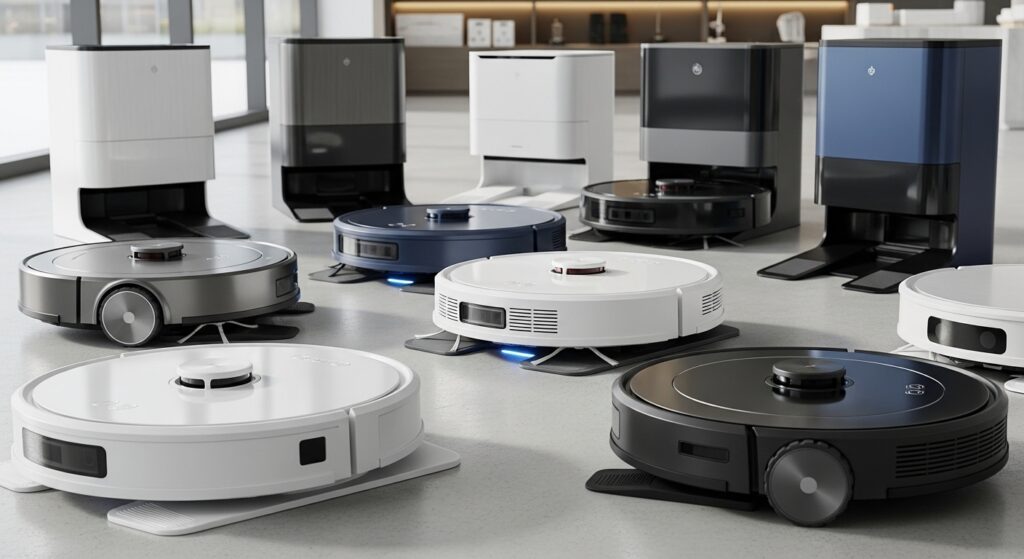
Why it stands out:
- Smart navigation
- App control
- Automatic cleaning
Pros:
- Saves time
- Great for daily maintenance
Cons:
- Not ideal for deep cleaning
3. Black+Decker Handheld Vacuum
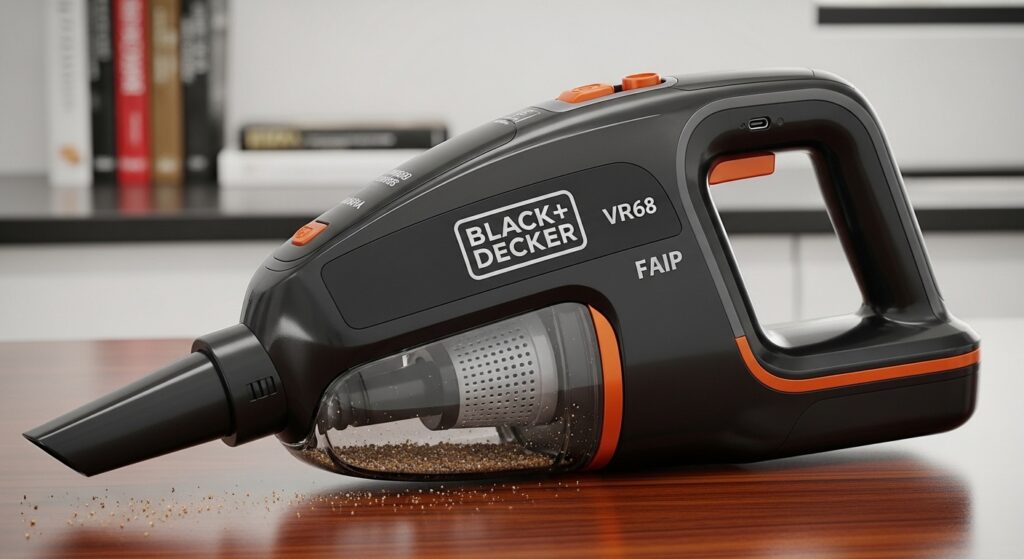
Why it stands out:
- Compact and affordable
- Great for cars and furniture
Pros:
- Budget-friendly
- Easy storage
Cons:
- Limited power
4. Shark Navigator Upright Vacuum
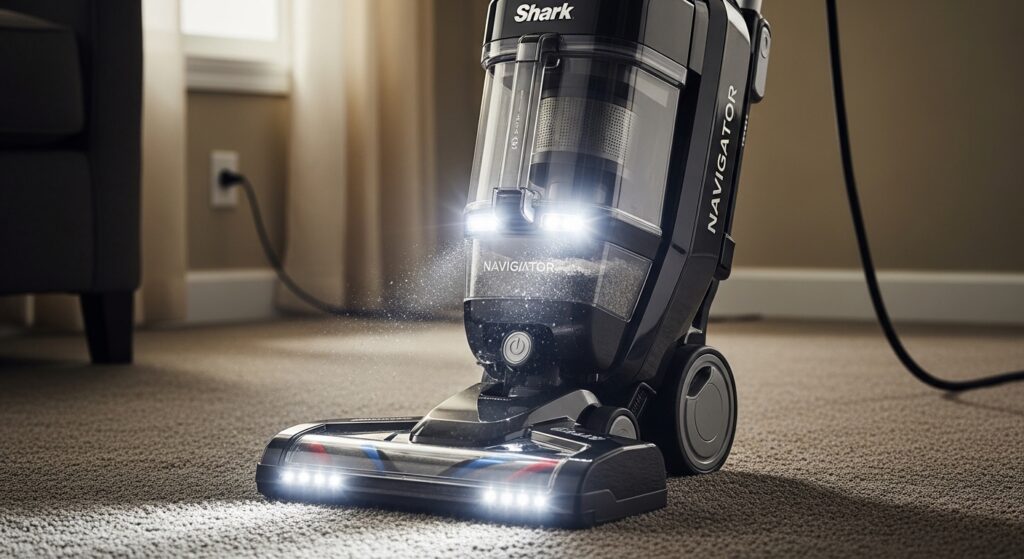
Why it stands out:
- Strong suction
- Large dust capacity
Pros:
- Perfect for big homes
- Handles pet hair well
Cons:
- Bulky
QUICK COMPARISON TABLE
| Feature | Dyson V7 Motorhead | Xiaomi Mi Robot Vacuum | Black+Decker Handheld Vacuum | Shark Navigator Upright |
|---|---|---|---|---|
| Type | Stick (Cordless) | Robot | Handheld | Upright |
| Best For | All-around home cleaning | Hands-free daily cleaning | Small messes & cars | Deep cleaning & large homes |
| Power Source | Rechargeable battery | Rechargeable battery | Rechargeable battery | Corded |
| Suction Power | High (up to 100 AW max) | Moderate | Low–Moderate | Very High |
| Portability | Lightweight & easy to carry | Fully automatic | Ultra-portable | Bulky |
| Ease of Use | Very easy | Fully automated (app-controlled) | Very easy | Moderate |
| Best Surface | Carpets & hard floors | Tiles & hardwood floors | Furniture & cars | Carpets & rugs |
| Special Feature | Converts to handheld | Smart navigation & scheduling | Compact design | Large dust capacity |
| Ideal Home Size | Small to medium homes | Any size (best for maintenance) | Small spaces | Medium to large homes |
Buying Guide: How to Choose the Best Vacuum Cleaner
1. Consider Your Floor Type
Your floor type is the single most important factor in choosing a vacuum, yet it is the detail most buyers overlook until after purchase.
- Carpet (especially thick pile) requires strong motorised brush rolls and high suction to lift embedded dirt and pet hair from fibres. Cordless models with lower suction ratings often struggle here. Look for a dedicated carpet mode or adjustable suction settings.
- Hard floors (hardwood, tile, laminate) are best cleaned with soft brush rolls or bare-floor modes that avoid scratching. Strong suction on hard floors without the right head can simply scatter debris rather than collecting it.
- Mixed flooring is where canister vacuums and premium cordless models with automatic floor detection earn their price premium. Models that detect surface type and adjust suction automatically save significant time and produce better results across both surfaces.
2. Bagged vs. Bagless
- Bagged vacuums contain dirt in a sealed disposable bag, which means emptying is clean and hygienic with minimal dust contact. This is particularly important for allergy and asthma sufferers. The ongoing cost of replacement bags (typically $10 to $25 for a pack) adds up over time but is a worthwhile trade for better air quality.
- Bagless vacuums use a washable dustbin that you empty directly into the bin. More convenient and no ongoing bag costs, but emptying the bin releases a puff of fine dust back into the air every time. For allergy sufferers, look for bagless models with sealed HEPA filtration to minimise this.
3. Corded vs. Cordless
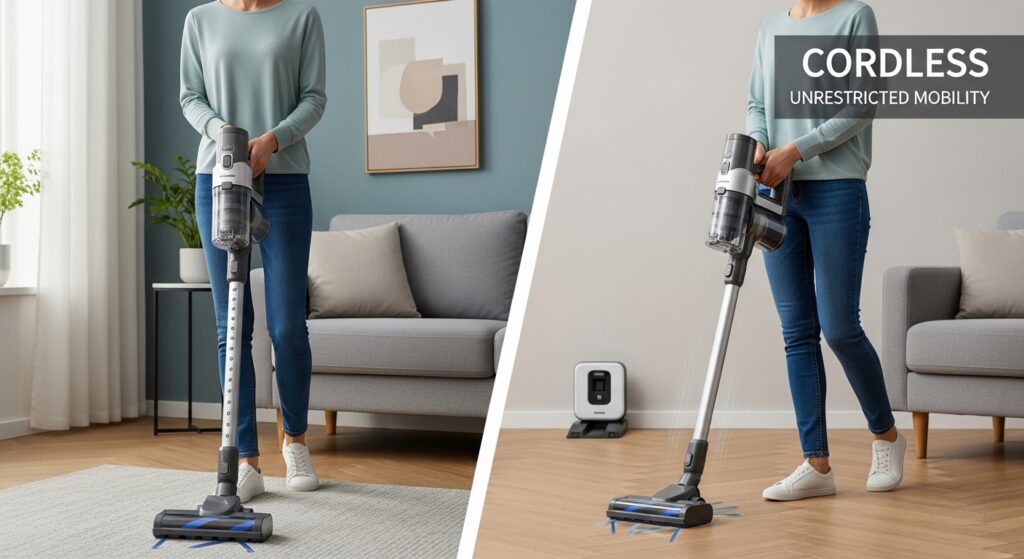
- Corded vacuums provide unlimited runtime and consistent suction throughout the session, making them the better choice for large homes, deep carpet cleaning, and users who clean infrequently but thoroughly.
- Cordless vacuums offer freedom of movement and take seconds to deploy, making them ideal for daily quick cleans and smaller living spaces. Battery technology in 2026 has significantly improved, with premium models now offering 60 to 90 minutes of runtime. However, suction strength can diminish as battery levels drop on some models, so look for those that maintain consistent power throughout the charge cycle.
4. Suction Power and Filtration
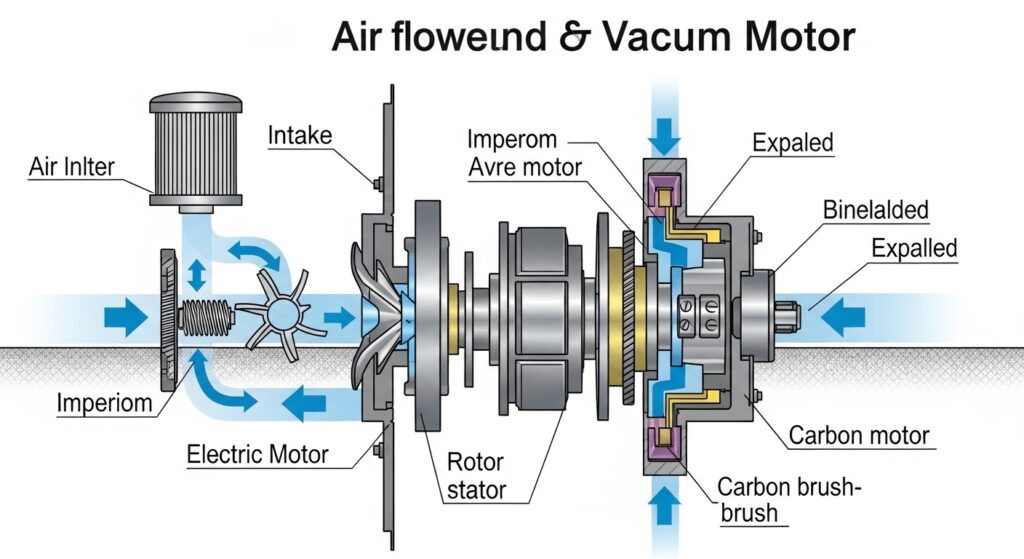
- Suction power is measured in Air Watts (AW) or Pascals (Pa). For reference, anything above 100 AW is considered strong for a home vacuum. Robot vacuums are typically rated in Pa, where 2000 Pa and above delivers reliably thorough results on most surfaces.
- HEPA filtration is a non-negotiable feature for allergy sufferers or homes with pets. True HEPA filters capture 99.97% of particles as small as 0.3 microns, including dust mite debris, pet dander, and pollen. Standard filters recirculate a portion of these particles back into the air.
Final Thoughts
Choosing the right vacuum cleaner can completely transform how you clean your home. Instead of spending hours dealing with dust and dirt, you can enjoy a faster, easier, and more efficient cleaning routine.
Whether you go for a powerful upright, a lightweight stick vacuum, or a smart robot cleaner, the key is to choose one that fits your lifestyle and cleaning needs.
Frequently Asked Questions
Q1: What Is the Best Type of Vacuum Cleaner for Pet Hair?
For pet hair, the two strongest choices are a motorised cordless stick vacuum with a dedicated tangle-free pet tool, or a robot vacuum with high suction (2500 Pa and above) for daily hair maintenance.
Cordless models like the Dyson V15 Detect and Shark Stratos are purpose-built for pet households, with anti-tangle brush rolls that prevent hair from wrapping around the roller bar.
Robot vacuums are ideal as a daily supplement, collecting the hair your pet sheds between full cleaning sessions so it never builds up on floors and furniture.
Q2: How Long Does a Cordless Vacuum Battery Last?
Battery life varies significantly by model and suction setting. Entry-level cordless vacuums typically offer 20 to 30 minutes on a standard setting, which is enough for a small apartment.
Mid-range and premium models in 2026 deliver 45 to 90 minutes on standard settings, though runtime drops considerably when using maximum suction mode.
For homes larger than 1500 square feet, look for a model with a removable, swappable battery so you can extend runtime without waiting for a recharge. Most batteries reach a full charge in 3.5 to 4.5 hours.
Q3: Are Robot Vacuums Worth Buying in 2026?
Yes, provided you have realistic expectations about what they do.
Robot vacuums in 2026 are genuinely excellent at maintaining floor cleanliness on a daily or scheduled basis, particularly for pet hair, dust, and fine debris on hard floors and low-pile carpet.
They are not a substitute for a periodic deep clean with a full-size or cordless vacuum, especially on thick carpet or in corners.
The best value case for a robot vacuum is pairing it with a cordless stick vacuum: the robot handles daily maintenance automatically while the cordless handles weekly deep cleans manually.
Q4: What Suction Power Do I Need in a Vacuum Cleaner?
For hard floors and light carpet, 80 to 100 Air Watts is sufficient for comfortable everyday cleaning.
For thick carpet, homes with pets, or households that clean infrequently and need deep extraction power, look for 120 Air Watts and above.
For robot vacuums, which use Pascal ratings, 2000 to 2500 Pa is adequate for hard floors and low-pile carpet, while 3000 Pa and above is recommended for homes with medium-pile carpet or heavy pet hair.
Keep in mind that suction power alone does not determine cleaning performance: brush roll design, filter quality, and airflow path all contribute equally to real-world results.
Q5: How Often Should You Replace Vacuum Cleaner Filters?
For standard foam or felt filters, replacement every 6 to 12 months is typical under normal household use.
HEPA filters in sealed-system vacuums should be replaced every 12 months, or sooner if you notice reduced suction or visible discolouration of the filter.
Many modern vacuums include washable filters that can be rinsed every 1 to 3 months and air-dried for 24 hours before reinsertion.
Never reinstall a damp filter, as moisture inside the motor housing can cause permanent damage. Always check the manufacturer’s specific guidance, as filter maintenance schedules vary by model and usage intensity.