
A refrigerator is an essential appliance found in virtually every household. It operates continuously, ensuring that food remains fresh and beverages stay cold.
However, neglecting proper care can result in decreased efficiency. This decline may increase energy consumption and lead to expensive repairs.
Fortunately, regular maintenance can significantly extend the lifespan of your refrigerator and enhance its performance.
In this comprehensive guide, we provide straightforward and effective strategies to ensure your refrigerator operates smoothly and efficiently. By following these tips, you can maintain optimal functionality and avoid unnecessary costs.
Why Refrigerator Maintenance Matters
Proper refrigerator maintenance helps:
- Improve cooling
- Lower electricity bills
- Avoid costly repairs
- Extend lifespan
- Keep food fresher
- Reduce odors and bacteria
With good care, modern refrigerators can last 10–15 years.
1. Clean the Refrigerator Coils Regularly

Condenser coils help your fridge release heat. Dust and dirt on these coils make the fridge work harder to stay cool. This leads to inefficiency.
How Often Should You Clean the Coils?
Clean the coils every six months for best performance and longer life.
How to Clean Refrigerator Coils
- Unplug the refrigerator for safety.
- Find the coils, usually behind or beneath the fridge.
- Use a vacuum or a coil-cleaning brush to remove dust and debris.
- After cleaning, plug the refrigerator back in.
Benefits of Cleaning Your Coils
- Consistent Internal Cooling: It allows the system to reach its target temperature quickly, eliminating warm spots that cause food to spoil prematurely.
- Optimal Energy Efficiency: Clean coils release heat easily, meaning the compressor doesn’t have to work overtime, dropping your monthly power bills.
- Reduced Compressor Wear: The compressor is the heart of your fridge. Keeping it cool prevents early motor burnout and avoids an expensive replacement.
2. Keep the Door Seals Clean and Tight
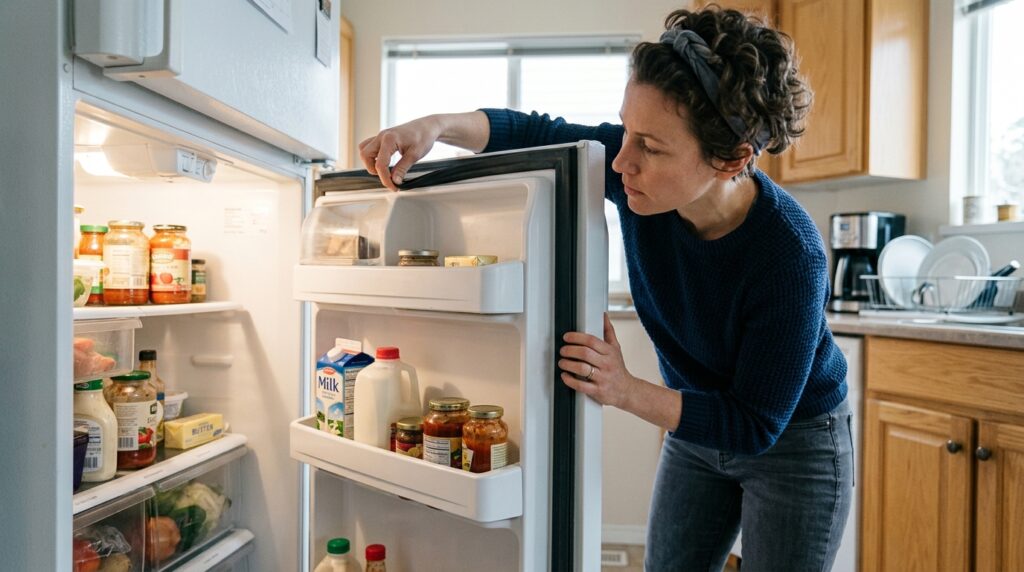
The rubber door seals (gaskets) keep cold air in the fridge. If they’re loose or dirty, cold air escapes, making the fridge work harder.
Maintenance Tips
- Wipe seals weekly with warm, soapy water.
- Check for cracks or looseness.
- Replace damaged seals right away.
Quick Test
Close the door on a piece of paper. If the paper slides out easily, the seal may need replacing.
3. Avoid Overloading the Refrigerator
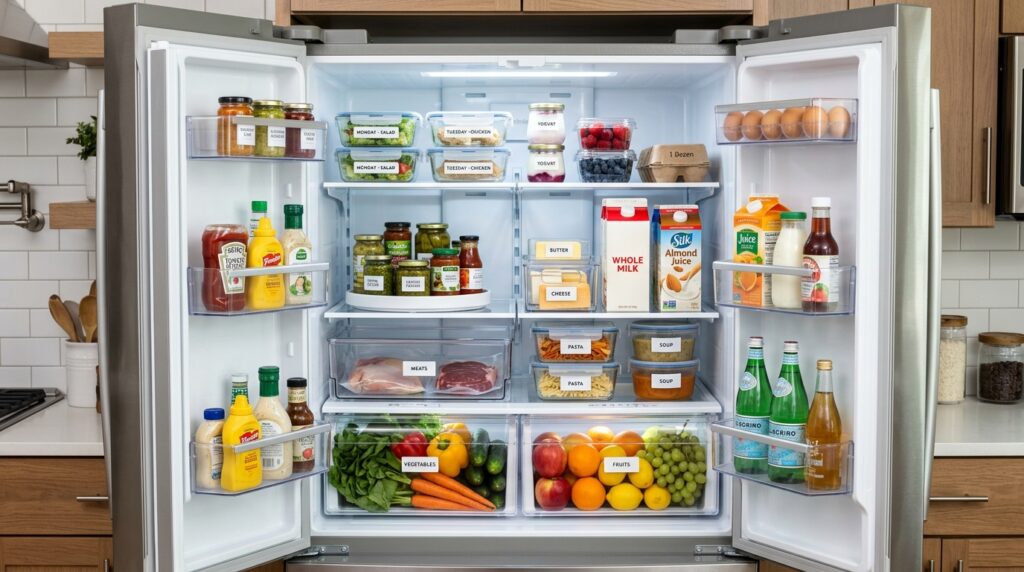
Overfilling your refrigerator blocks proper air circulation, making cooling less effective.
Best Practice
- Leave small gaps between food items
- Avoid overloading the freezer
- Arrange shelves in an orderly manner
Why It Matters
Good airflow helps maintain consistent temperatures and reduces strain on the cooling system
4. Set the Correct Temperature
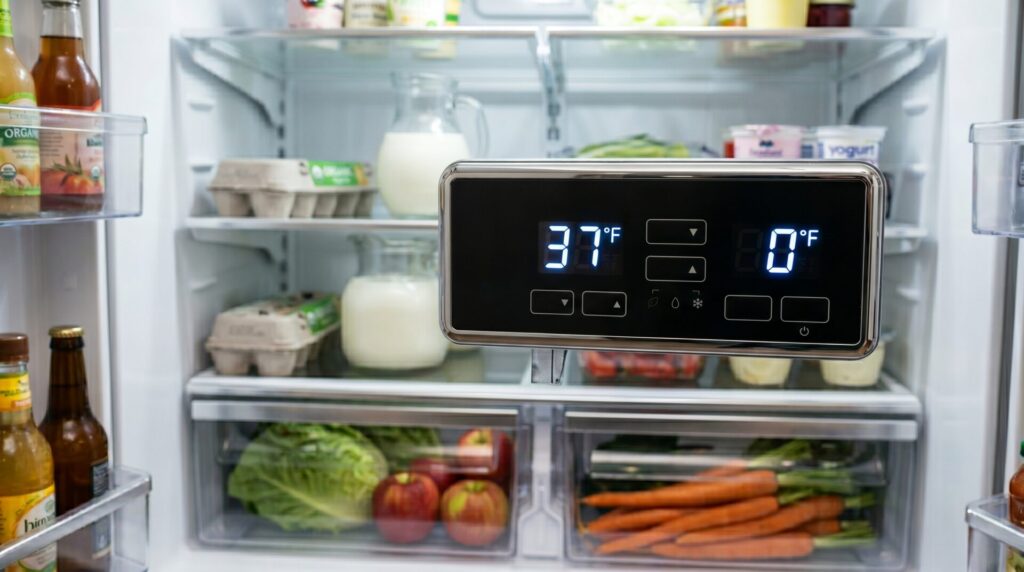
Wrong temperatures can spoil food or strain the appliance.
Recommended Refrigerator Temperatures
- Refrigerator: 3°C to 5°C
- Freezer: -18°C
These settings help keep food fresh and save energy.
5. Clean the interior on a regular basis

Food spills and moisture can create bad odors and encourage bacterial growth.
Cleaning Tips
- Remove expired food weekly
- Clean the shelves and drawers on a regular basis
- Use mild soap and warm water
- Dry surfaces before replacing food items
Bonus Tip
Place an open box of baking soda inside the fridge to absorb odors.
6. Defrost when necessary
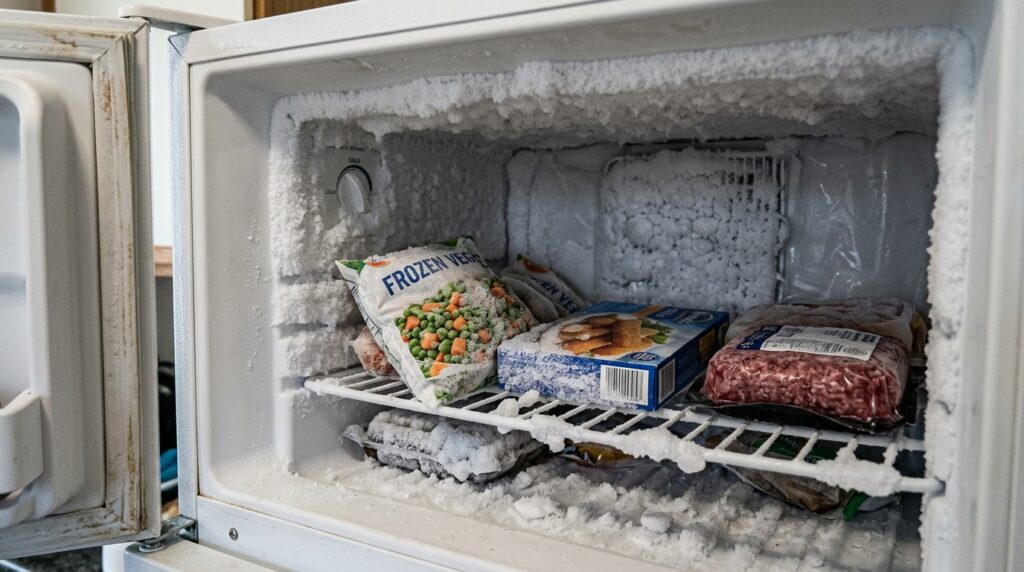
If your fridge isn’t frost-free, ice can build up. This makes it less efficient at cooling.
When to Defrost
Defrost when the frost gets thicker than 1/4 inch.
Why Airflow Clearance Matters
- Recommended Distance: Always leave at least 2 to 3 inches of clearance space between the back/sides of your refrigerator and the surrounding walls or cabinetry.
- Prevents Heat Suffocation: Refrigerators pull heat out from the inside and push it out the back and sides. If trapped against a wall, the unit suffocates in its own heat.
- Lowers Energy Consumption: Proper spacing allows the hot air to dissipate freely, which keeps cycle times short and efficient.
7. Ensure the refrigerator has adequate ventilation.
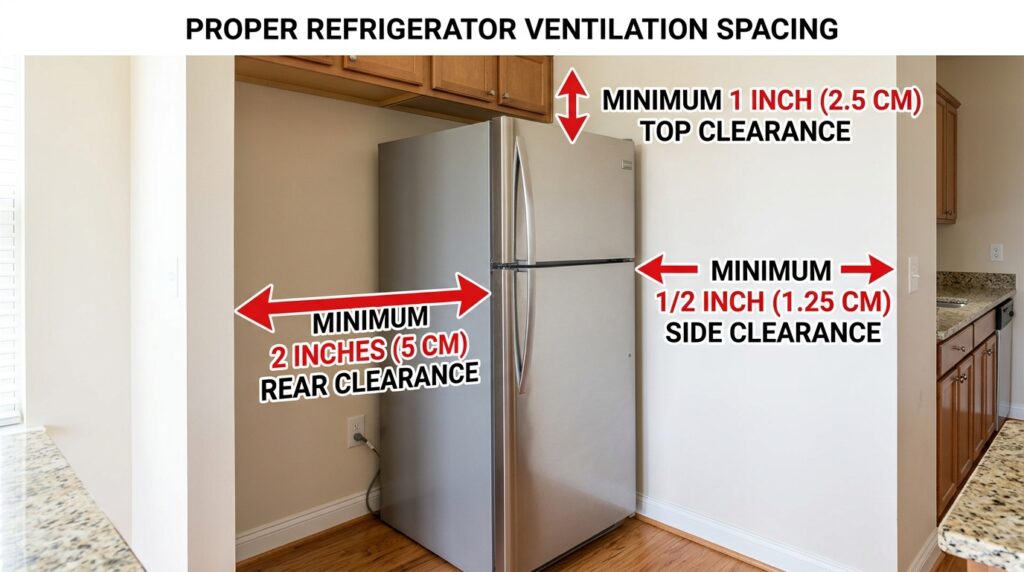
Refrigerators need enough space around them for heat ventilation.
Recommended Clearance
- Leave at least 2–3 inches between the refrigerator and the wall
Avoid
- Placing the fridge near ovens or direct sunlight
- Blocking rear ventilation areas
Proper airflow prevents overheating and compressor strain.
8. Replace Water Filters on Time
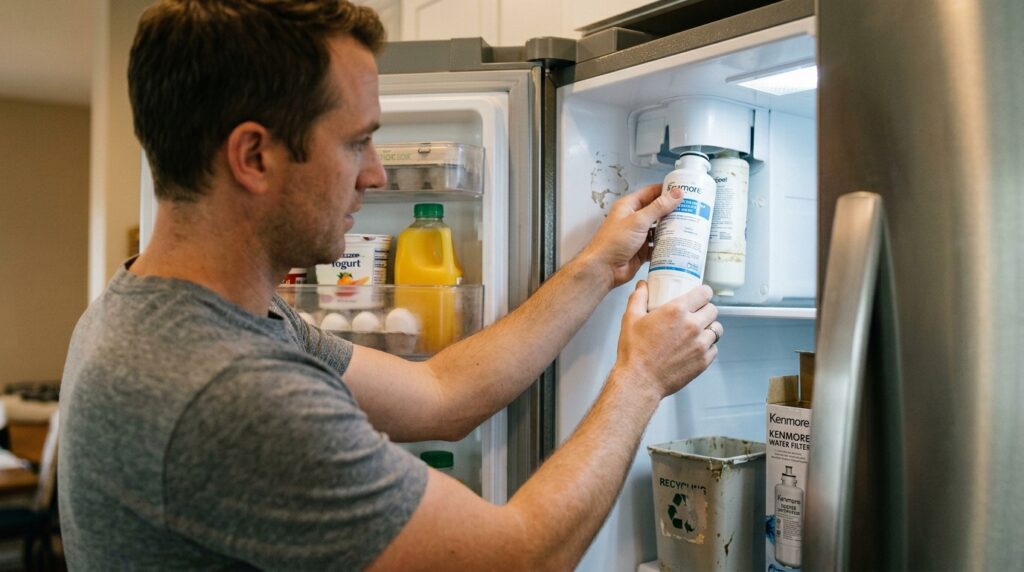
If your fridge has a water dispenser or ice maker, replacing the water filter is important.
Recommended Replacement
Every 6 months or according to the manufacturer’s instructions
Benefits
- Cleaner drinking water
- Better ice quality
- Improved appliance performance
9. Limit the number of times you open the door.
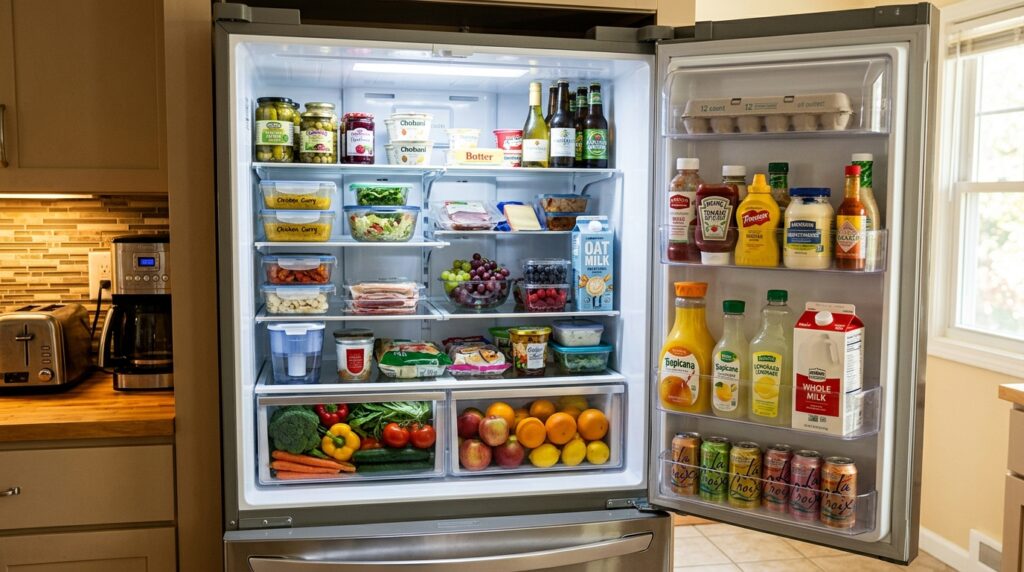
Every time the refrigerator door opens, warm air enters.
Tips
- Decide what you need before opening
- Avoid leaving the door open too long
- Close the door to ensure it seals tightly after use.
This helps maintain stable cooling temperatures and reduce energy waste.
10. Listen for Unusual Noises

Strange sounds may indicate mechanical problems.
Common Warning Signs
- Loud buzzing
- Continuous clicking
- Excessive vibration
- Water leakage
Early repairs can prevent expensive breakdowns later.
Signs Your Refrigerator Needs Maintenance
Here are common signs your refrigerator may need attention
- Food spoils in a short time
- Excessive frost buildup
- High electricity bills
- Water leaking on the floor
- Refrigerator runs continuously.
- Unusual noises
- Weak cooling performance
Ignoring these warning signs can shorten the lifespan of your appliance.
How Often Should You Service a Refrigerator?
For most households:
- Basic cleaning: Weekly
- Coil cleaning: Every 6 months
- Full inspection/service: Once per year
Professional servicing helps detect hidden issues before they become major repairs.
Essential Refrigerator Maintenance Tools
You may find these helpful:
- Coil cleaning brush
- Appliance thermometer
- Microfiber Cleaning Cloths
- Baking soda deodorizer
- Replacement water filters
Final Thoughts
Taking care of your refrigerator does not require expensive tools or professional skills.
Simple habits like cleaning the coils, checking door seals, setting proper temperatures, and organizing food properly can greatly extend the life of your appliance.
Regular maintenance not only helps your refrigerator last longer but also improves energy efficiency and keeps your food fresher.
A well-maintained refrigerator can serve your household reliably for many years while saving you money on repairs and electricity bills.
Commonly Asked Questions (FAQs)
How long should a modern refrigerator last?
With routine maintenance, a high-quality refrigerator typically lasts between 10 to 15 years. Neglecting regular care like cleaning the condenser coils or replacing bad seals can cut that lifespan down to just 6 to 8 years.
How often should you clean refrigerator coils?
You should clean your refrigerator coils at least once every 6 months. However, if you have shedding pets like dogs or cats in the house, dust and hair will build up much faster, meaning you should clean them every 3 to 4 months instead.
What temperature should a refrigerator and freezer be set to?
To maximize food safety and appliance efficiency, your refrigerator section should be set between 35°F and 38°F (1.7°C to 3.3°C). Your freezer section should be set strictly at 0°F (-18°C).
Can a sticky or dirty refrigerator gasket increase electricity bills?
Yes, significantly. If the rubber door gasket is dirty or sticky, it won’t form an airtight seal. This allows cold air to continuously leak out and forces the compressor to run constantly to keep up, causing your electricity bills to spike.
Why is my refrigerator making a constant buzzing or humming noise?
A faint hum is completely normal, but a loud, constant buzzing usually points to dirty condenser coils forcing the compressor to strain, or a failing evaporator fan motor. Cleaning the unit is the first line of defense before calling a technician.