
The modern kitchen is evolving faster than ever. In 2026, homeowners are looking far beyond stylish countertops and basic cabinets—they want kitchens that are intelligent, energy-efficient, context-aware, and seamlessly integrated into their daily lives.
Thanks to major breakthrough leaps in artificial intelligence (AI), universal connectivity protocols (like Matter 1.4), and hyper-focused eco-design, the kitchen has officially shifted from a collection of isolated tools to a cooperative ecosystem. If you are planning a renovation or just curious about where the culinary world is heading, these ten defining smart kitchen trends are dominating 2026.
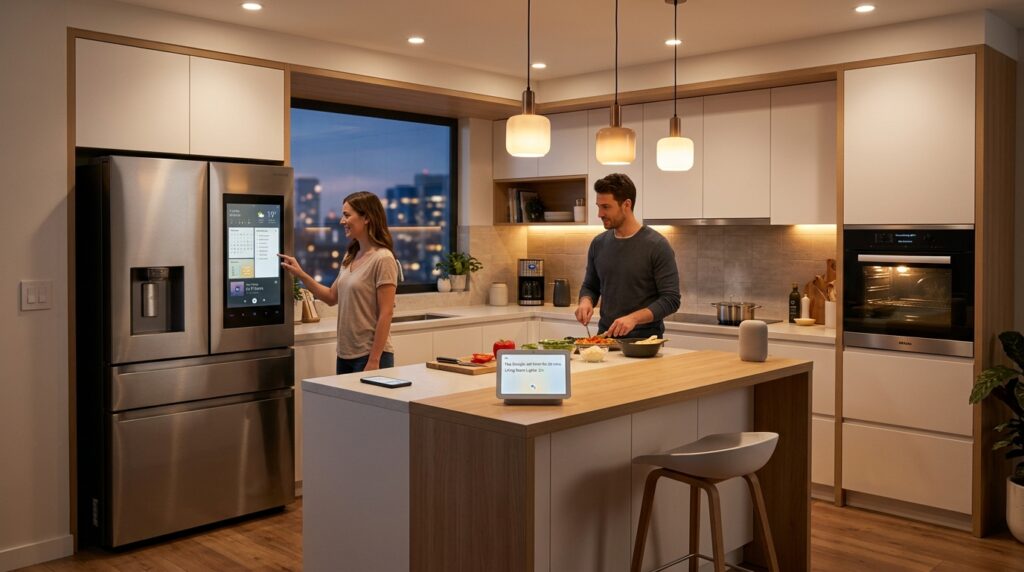
Recommended Smart Kitchen Starter Kit
Ready to build your smart kitchen? These Amazon bestsellers are excellent places to start
| Product | Why We Recommend It |
| Smart Refrigerator | Keeps food fresh, tracks groceries, and helps reduce food waste. |
| Smart Oven | Remote cooking, automatic temperature control, and AI cooking assistance. |
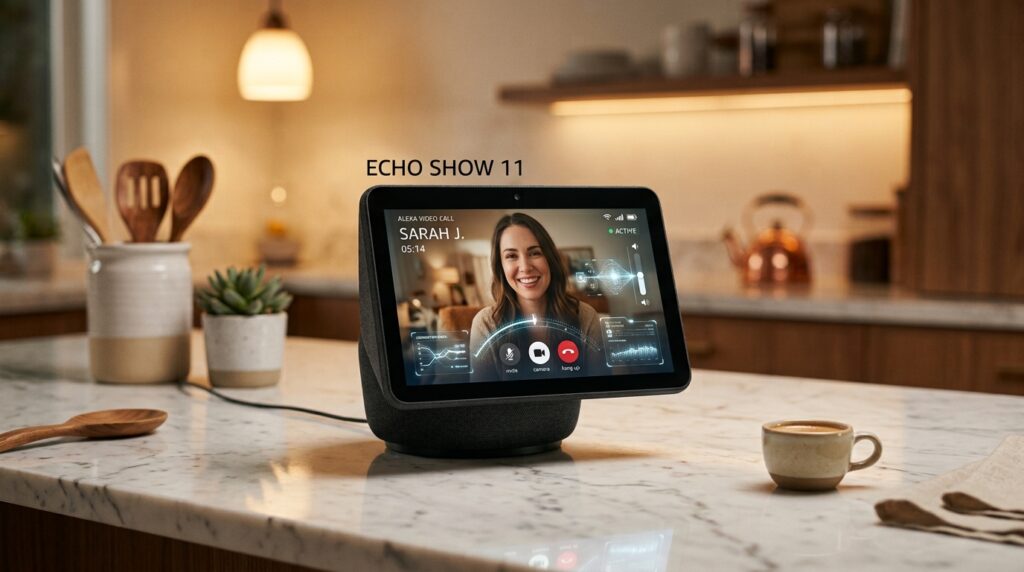
| Amazon Echo Show | Controls compatible smart kitchen devices using voice commands. |
| Smart Plug | Makes almost any kitchen appliance smarter with scheduling and voice control. |
1. Agentic AI-Powered Smart Cooking
Instead of simply executing basic commands, smart appliances in 2026 utilize Agentic AI—systems capable of analyzing situations, making dynamic choices, and orchestrating multiple appliances simultaneously.
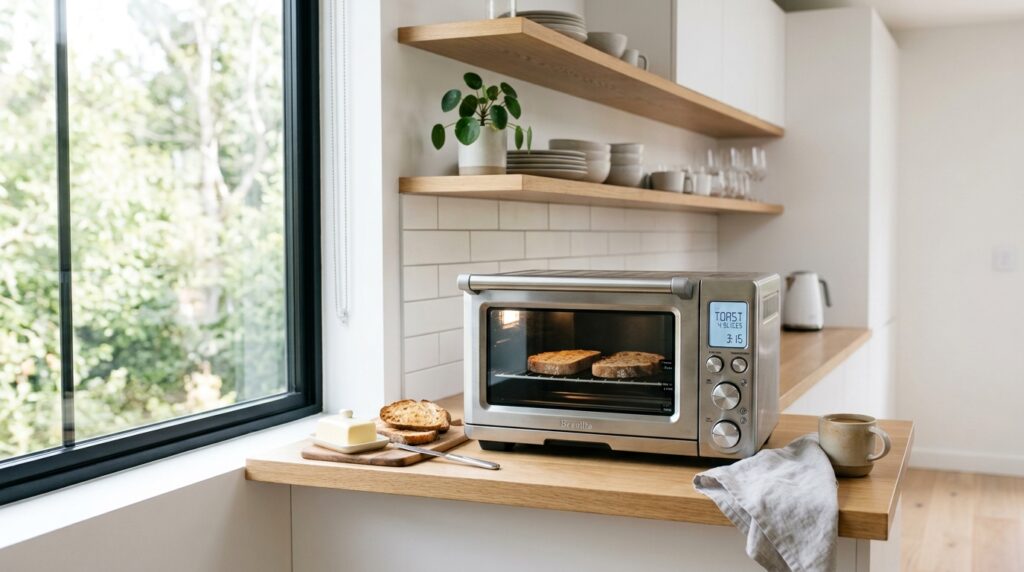
2. Reimagining the Smart Refrigerator as a Command Center
Refrigerators have graduated from simple cooling boxes into fully cognitive food managers. Premium 2026 models, including the Samsung Bespoke AI Family Hub, feature deep integration with advanced large language models like Google Gemini.
- Advanced AI Vision: Internal wide-angle cameras automatically log expiration dates and track items as they enter or leave the fridge.
- Contextual Meal Planning: The fridge tracks your regular consumption patterns using features like FoodNote to suggest exact recipes that use up ingredients before they spoil.
- Hyper-Personalized Hubs: On-device voice recognition identifies exactly who is speaking to display their specific calendar, health metrics, and automated grocery lists synced straight to services like Instacart.
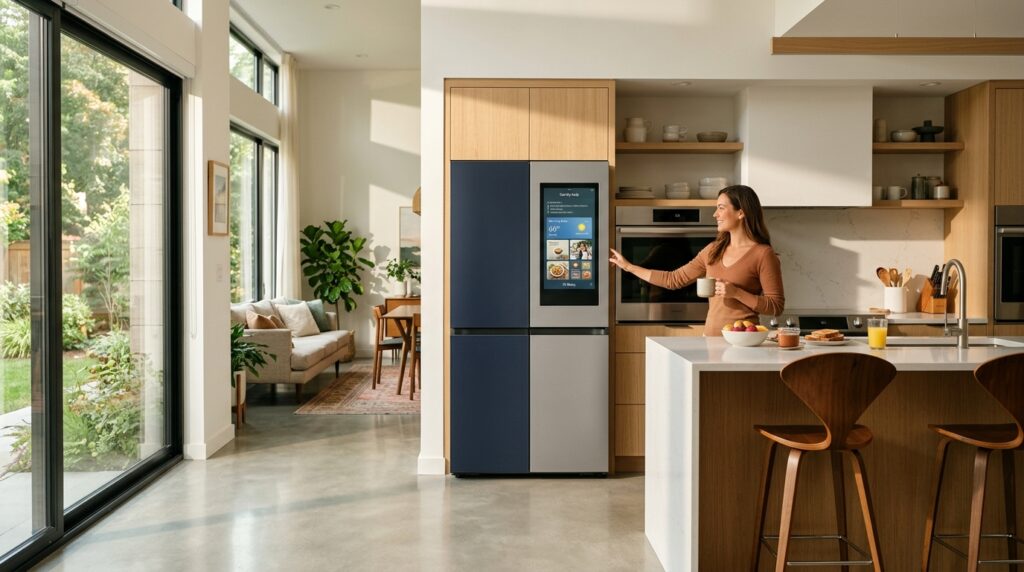
3. The Rise of the “Invisible Kitchen”
One of the most profound design shifts in 2026 is that technology is becoming completely hidden. Rather than showing off massive stainless-steel interfaces, modern luxury leans toward minimalist, seamless wood and natural stone aesthetics where the technology disappears when not in use.
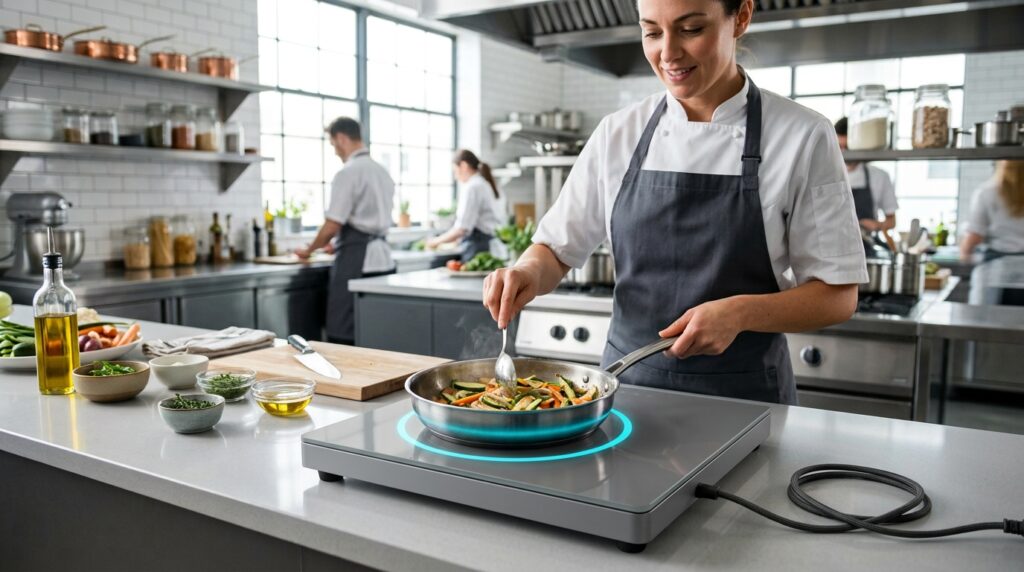
Trend Alert: Under-Counter Induction Cooking
Companies like Invisacook are leading the charge with induction coils installed directly underneath solid porcelain or quartzite countertops. The surface looks like an empty, elegant stone counter, but you can cook right on top of it. Once turned off, it cools instantly, reclaiming valuable prep space for food preparation or laptop work.
4. The Connected Ecosystem in Action
Thanks to the widespread adoption of open smart home communication standards, devices from entirely different brands now seamlessly talk to each other.
Here is what a standard, fully automated morning looks like using a connected 2026 kitchen workflow
1.Wake-Up Trigger:7:00 AM.
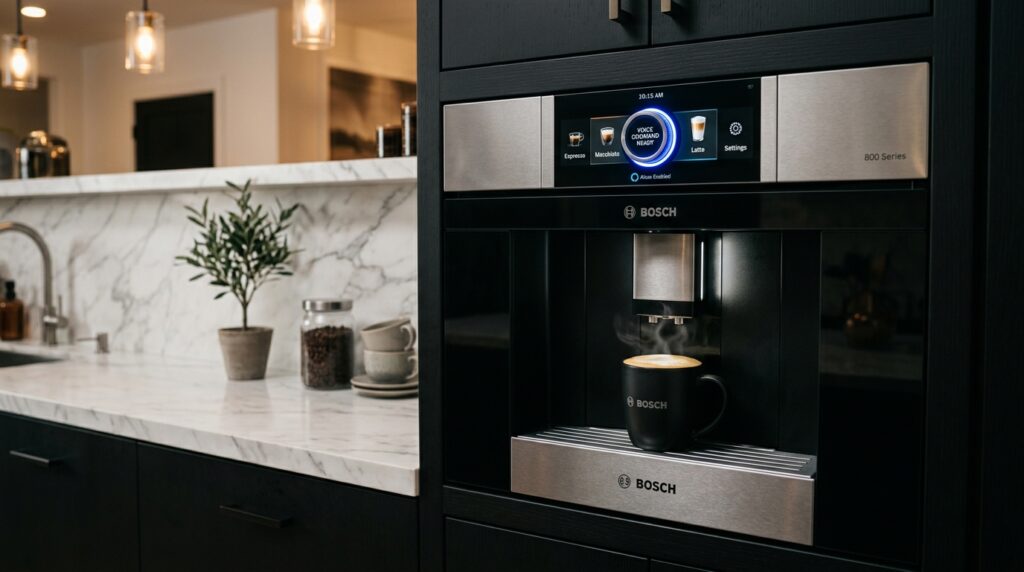
Your smart alarm clocks off, immediately signaling the Alexa+ powered Bosch 800 Series Espresso Machine to heat up and prompt you in natural language for your morning coffee preference.
2.Environment Adjustment:7:05 AM.
Kitchen blinds tilt open automatically to let in daylight, while task lighting beneath the cabinets adjusts to a soft, warm hue to reduce morning eye strain.
3.Predictive Meal Prep:6:00 PM
The smart refrigerator communicates the dinner plan to the Brisk It Neoma AI Oven, automatically preheating it to the exact temperature required for the targeted recipe.
4.Post-Dinner Cleanup:8:30 PM
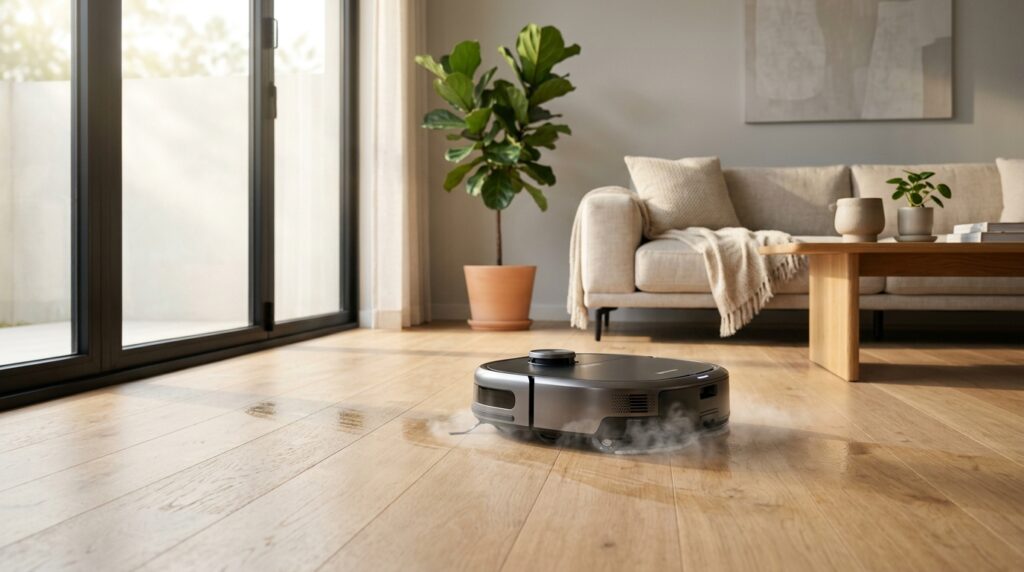
The Bespoke AI Jet Bot Steam Ultra robot vacuum deploys, utilizing liquid and object recognition to sweep up dropped crumbs and mop food splatters while avoiding table legs and pets.
5. Conscious & Energy-Optimized Cooling
With global utility prices fluctuating, energy management is a major priority. Appliance giants have moved away from basic “Eco-Modes” toward highly dynamic physical hardware systems.
Samsung’s AI Hybrid Cooling technology uses a dual-power structure combining an AI Inverter Compressor with an electronic Peltier element. The internal computer reads exactly how often your family opens the fridge door throughout the day and scales the power up or down in real time, dramatically cutting electricity bills without compromising food safety.
6. Smart Air Quality and Ventilation Hoods
Kitchen safety is getting a major digital upgrade in 2026. Homeowners are increasingly aware of indoor air pollution caused by cooking oils and combustion gases.
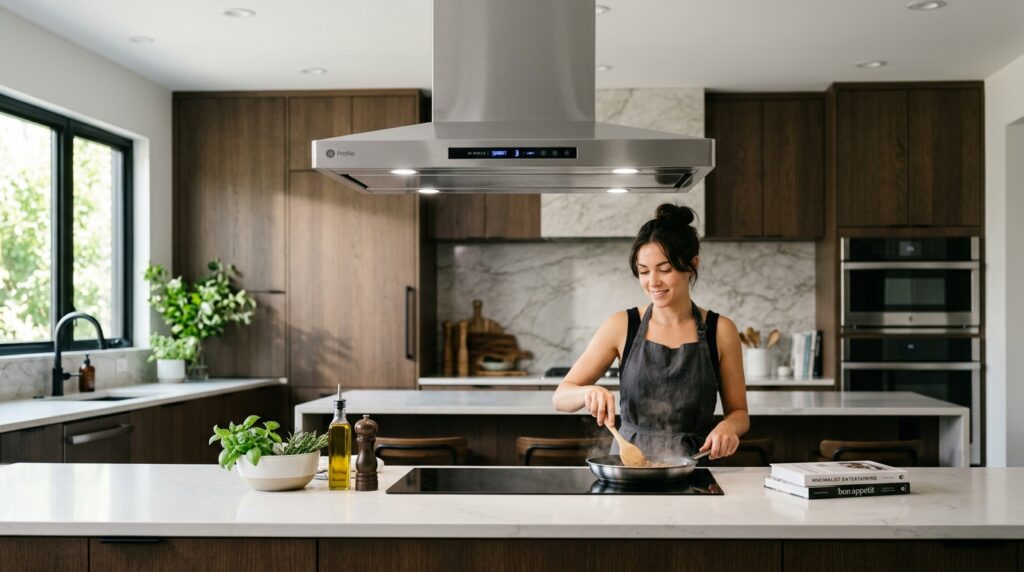
New smart ventilation systems, such as the GE Profile Smart Ventilation Hood, feature onboard air quality sensors that actively monitor levels of nitrogen dioxide ($NO_2$), carbon monoxide, and smoke. If the air quality drops, the hood automatically ramps up its extraction fan and sends a push notification to your phone, keeping your household air crisp and healthy.
7. Natural Language Voice Conversationalists
Basic voice commands that require exact phrasing are a thing of the past. The incorporation of advanced generative AI means your kitchen devices now understand nuance, context, and follow-up questions. You can talk to your appliances just like you would a human assistant:
“Hey Alexa, I have some leftover spinach, half a bell pepper, and chicken breast. What quick meal can I make in the air fryer, and can you set the temperature for me?”
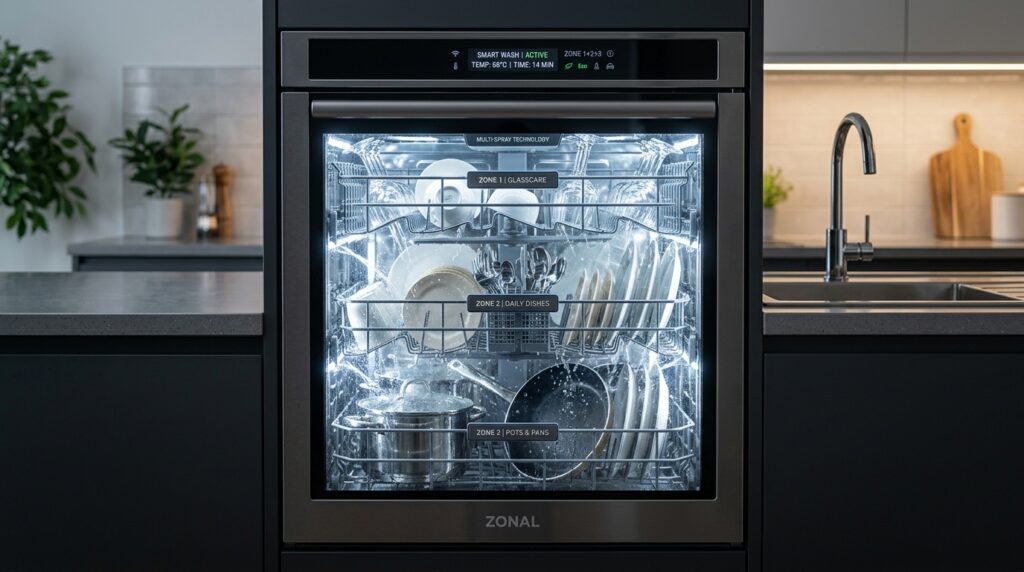
8. Multi-Zoned Smart Dishwashing
Traditional dishwashers force you to wait for a massive full load to avoid wasting water. In 2026, ergonomic and modular designs like the Fisher & Paykel DishDrawer are dominating the market. These feature independent stacked drawers, allowing you to run a quick, ultra-quiet half-load for breakfast dishes while keeping the other drawer free for dinner prep, optimizing water usage and workflow efficiency.
9. Touchless & Clean-Zone Technology
Hygiene and convenience go hand-in-hand. Touchless innovations have expanded past simple hands-free faucets to include:
- Auto-Open Cabinetry: Motorized, push-to-open or voice-activated cabinet hinges that open doors smoothly when your hands are full of raw ingredients.
- Voice-Activated Refrigerators: Features like Auto Door allow you to open the fridge fully just by asking out loud.
- Smart Waste Management: Touchless compactors, like the Clear Drop Soft Plastic Compactor, that automatically manage and minimize household packaging waste cleanly.
10. Material Fusion: Sustainability Meets Texture
The cold, industrial look is officially out. 2026 smart kitchens pair hidden technology with deep, natural aesthetics. Light washed oak, warm walnut, matte finishes, rich earthy tones (like clay and sage green), and deeply veined marble waterfall islands are taking center stage. Manufacturers are matching these designs with sustainable components, such as handles built from reclaimed fishing nets and cabinet faces crafted from recycled PET materials.
Technical Comparison: Traditional vs. 2026 Smart Kitchens
| Feature | Traditional Kitchen | 2026 Smart Kitchen |
| Appliance Operation | Manual knobs and preset digital buttons | Context-aware Agentic AI with real-time sensor tuning |
| Recipe Management | Physical cookbooks or static screen apps | Internal cameras tracking food to suggest dynamic, dynamic recipes |
| Space Design | Visible, heavy steel appliances dominating the room | “Invisible” layout with under-counter cooking and hidden panels |
| Connectivity | Fragmented apps or basic Wi-Fi controls | Unified ecosystem operation via open protocols like Matter 1.4 |
| Eco Efficiency | Static energy use regardless of daily habits | Real-time dual-power cooling adjustments and off-peak scheduling |
Are Smart Kitchens Worth the Investment?
While high-tech appliances demand a higher initial investment, they deliver clear long-term dividends in three major areas:
- Time Savings: Automated meal tracking, preheating synchronization, and smart self-cleaning systems eliminate hours of tedious kitchen maintenance weekly.
- Reduced Food Waste: Precise internal monitoring and recipe matching ensure that expensive fresh ingredients are used before they spoil.
- Resale Value: An intelligently designed, “invisible” kitchen featuring energy-efficient, integrated tech is one of the highest-yielding selling points for modern home buyers.
Quick Buying Tips for 2026
- Prioritize Protocol Compatibility: Look for appliances explicitly supporting the Matter smart home standard to ensure cross-brand longevity.
- Focus on the Core First: Start by upgrading the appliances you use daily—like your refrigerator, range, or coffee station—before investing in small, niche gadgets.
- Check for Software Support: Invest in trusted brands that provide over-the-air firmware updates so your appliances gain new AI features over time.