
I almost bought a smart fridge last year, then I saw the price tag and had a small crisis in the middle of a Best Buy.
Twenty three hundred dollars for a refrigerator that can tell me I’m out of milk? I own a phone that already does that, and it fits in my pocket.
So I did what any reasonable person does before dropping the price of a decent used car on a kitchen appliance.
I researched, I asked friends who already owned one, and I tested a few models at a relative’s house for weeks. Here’s everything I learned about whether a smart refrigerator earns its keep or just earns your regret.
What Exactly Makes a Refrigerator “Smart” Anyway?
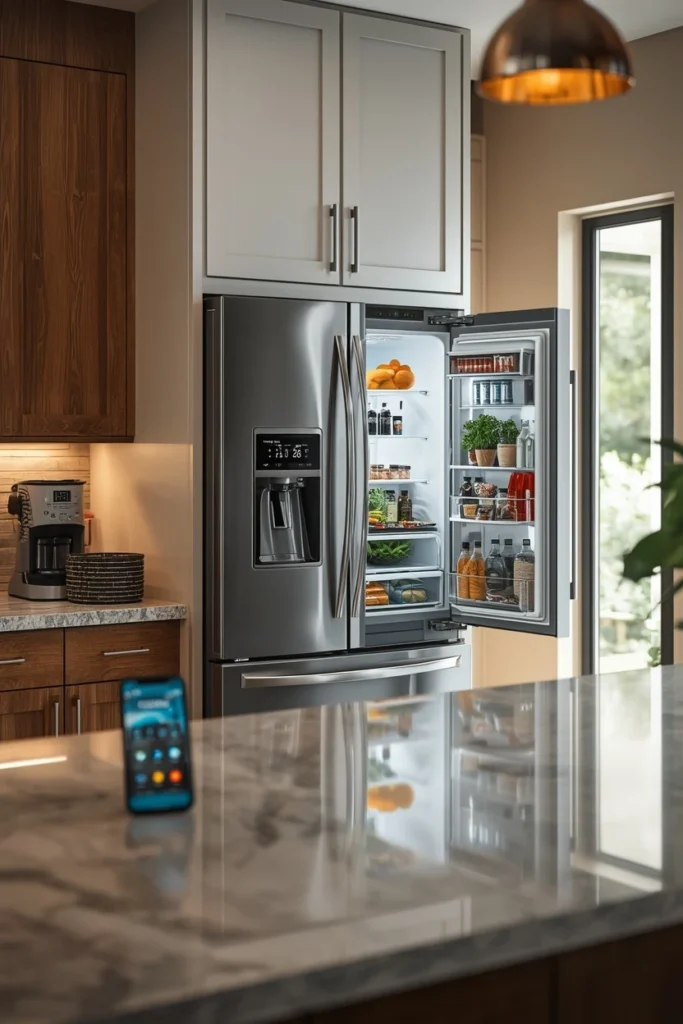
Let’s clear this up first, because manufacturers throw the word “smart” around like confetti.
A smart refrigerator connects to your home WiFi and usually includes a touchscreen, internal cameras, and an app that talks to your phone.
Some models go further with voice assistants, family calendars, and even the ability to stream music while you cook.
At its core, a smart fridge is trying to solve a problem you didn’t know you had. Do you really need your refrigerator to remind you about a dentist appointment? Probably not, but that doesn’t mean every feature is useless.
Here’s what typically comes bundled into the “smart” label:
- WiFi connectivity for remote temperature control and alerts
- Interior cameras so you can peek inside from the grocery store
- Touchscreen displays for notes, calendars, and photos
- Voice assistant integration like Alexa or Google Assistant
- Food tracking software that flags expiration dates
Sounds impressive on paper. Whether it changes your life is a completely different conversation.
The Real Cost of Going Smart
Let’s talk numbers, because this is usually where the excitement fizzles out. A solid, reliable standard refrigerator runs you somewhere between $800 and $1,500 depending on size and brand.
A comparable smart refrigerator? You’re looking at $2,000 to $4,500, and that’s before you factor in the eventual repair bills.
That price gap isn’t just about the touchscreen either. You’re paying for sensors, cameras, extra processors, and software that needs updates for as long as you own the thing.
Ever notice how your smart TV asks for an update the moment you sit down to watch something? Now imagine that happening with your fridge while you’re trying to grab eggs.
There’s also a cost nobody talks about enough: repairs. A broken compressor on a regular fridge is annoying but fixable by most appliance techs.
A broken touchscreen or a camera malfunction on a smart model often means calling a specialist, and specialists don’t work cheap.
Hidden Costs You Might Not Expect
Beyond the sticker price, a few extra expenses tend to sneak up on smart fridge owners:
- Software subscriptions for some advanced meal planning or grocery integration features
- Shorter lifespan on the electronic components compared to the compressor itself
- Higher installation costs if your kitchen needs updated WiFi coverage
- Replacement parts that are pricier and harder to find
None of this means a smart fridge is a bad purchase. It just means the $2,500 price tag is rarely the final number.
The Features That Actually Earn Their Keep
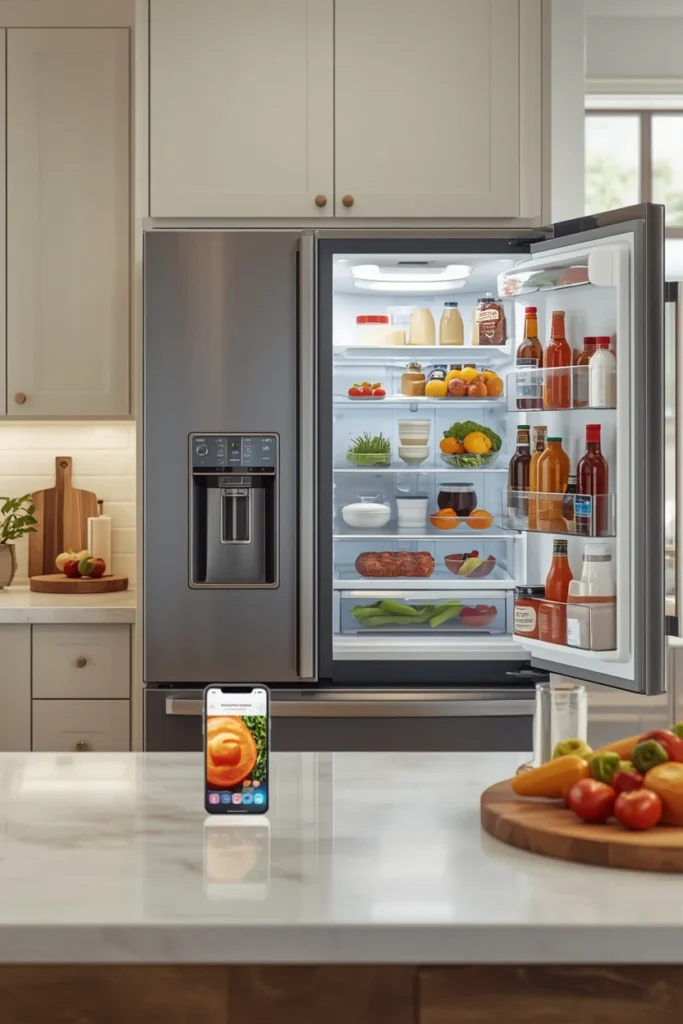
Not everything about smart refrigerators is a marketing gimmick. A few features genuinely improve daily life, and I’ll admit that surprised me.
Interior Cameras Are Genuinely Useful
I was skeptical about this one until I used it myself. Picture this: you’re at the grocery store and can’t remember if you already have ketchup.
Instead of guessing, you pull up the app and look inside your fridge from your phone. This single feature saved me from at least a dozen duplicate purchases.
Energy Monitoring Actually Saves Money
Smart fridges track energy usage in real time and alert you to inefficiencies, like a door that isn’t sealing properly.
Over a year, this can shave a noticeable amount off your electric bill. It’s not a dramatic saving, but it adds up, and every bit helps when energy prices keep climbing.
Temperature Alerts Prevent Disasters
If the power flickers or the door gets left open, your phone buzzes with an alert.
This feature alone has saved friends of mine from losing an entire fridge full of groceries during a vacation. That’s not a gimmick, that’s genuinely useful technology doing its job.
The Features That Are Mostly Gimmicks
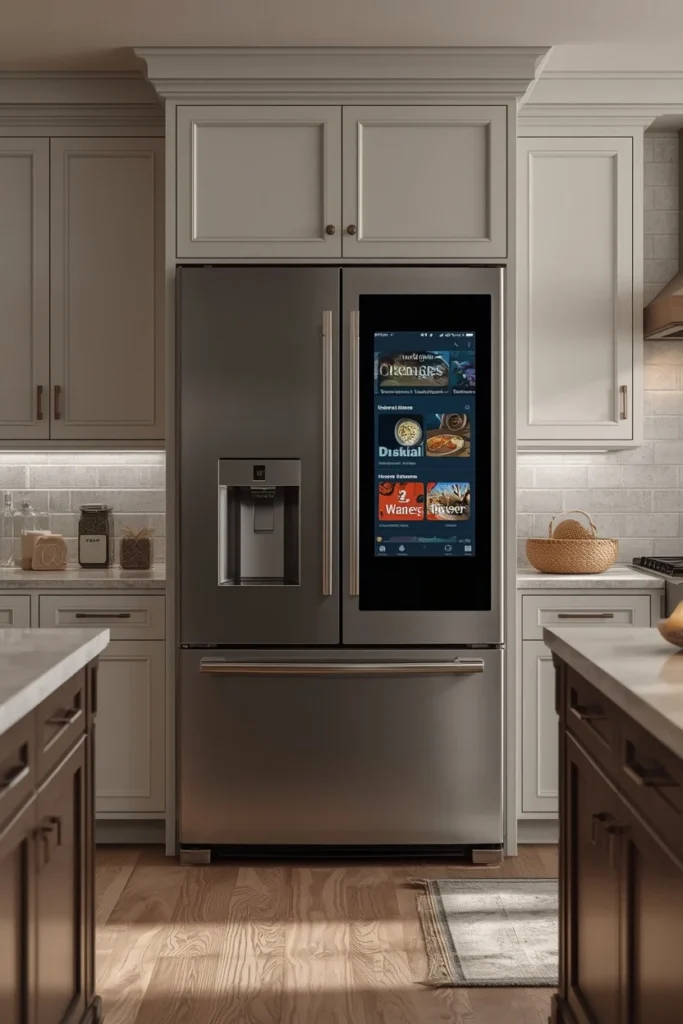
Now for the fun part, because not every “smart” feature deserves the hype. Some of these exist purely so the box can say “smart” in bold letters on the shelf.
- Built in TV screens: Who is watching Netflix on their refrigerator? Nobody has ever needed this.
- Voice controlled recipe reading: Cute in commercials, rarely used in real kitchens.
- Family calendar displays: Your phone already does this, and it doesn’t need refrigeration.
- AI recipe suggestions based on contents: These are often inaccurate and suggest bizarre combinations nobody asked for.
I tested the recipe suggestion feature on a friend’s model and it once suggested a dish combining leftover salsa and yogurt. I’ll pass, thanks.
Smart Fridge vs Standard Fridge: A Quick Comparison
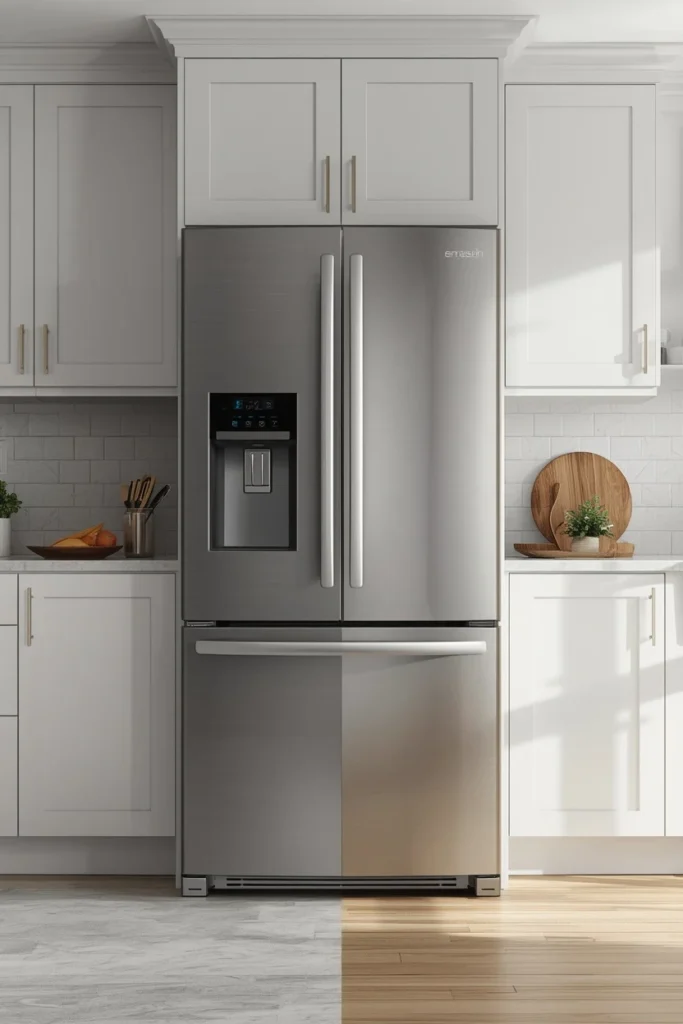
Sometimes the easiest way to decide is to see things side by side. Here’s how the two stack up on what actually matters to most buyers.
| Factor | Standard Fridge | Smart Fridge |
|---|---|---|
| Average price | $800 to $1,500 | $2,000 to $4,500 |
| Repair complexity | Low | Moderate to High |
| Energy tracking | None | Built in |
| Remote monitoring | None | Yes, via app |
| Lifespan of tech features | N/A | 5 to 8 years before outdated |
| Learning curve | None | Minor |
Looking at this table, the decision really comes down to what you value. Do you want simplicity and reliability, or are you willing to pay a premium for convenience and data?
Who Should Actually Buy One
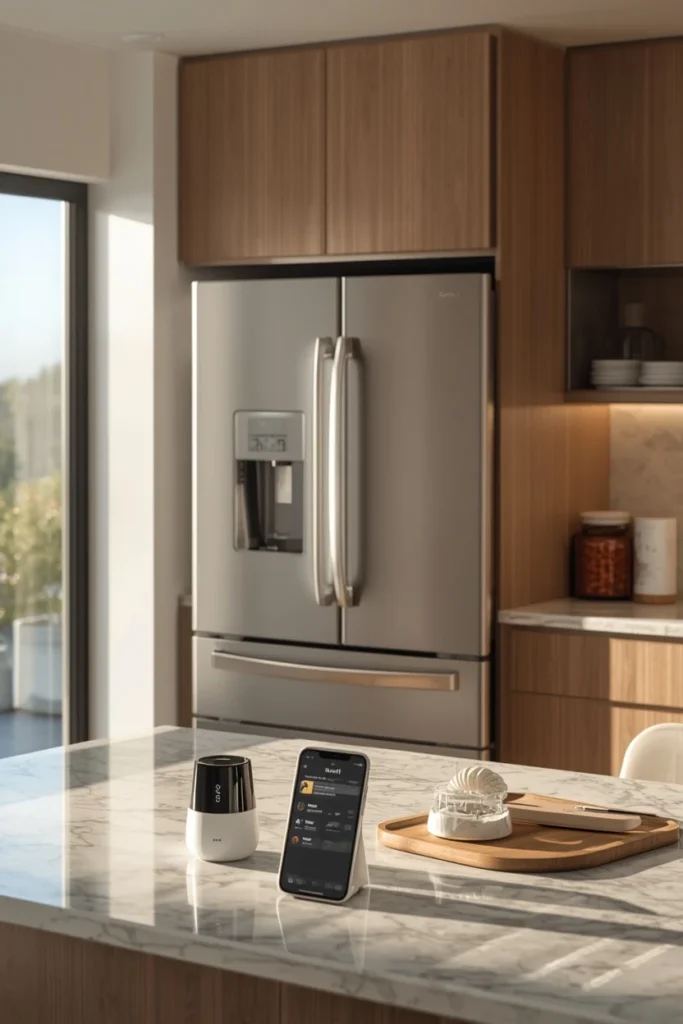
A smart fridge isn’t for everyone, and that’s perfectly fine. It tends to make the most sense for specific types of households rather than the average kitchen.
You might genuinely benefit from a smart fridge if you:
- Frequently forget grocery items and shop impulsively
- Travel often and worry about power outages at home
- Already have a smart home ecosystem you want to expand
- Care about tracking energy usage and cutting utility costs
- Enjoy trying new tech, even if it’s not strictly necessary
You’re probably better off skipping it if you:
- Want a refrigerator that simply works without extra fuss
- Are on a tight budget and prioritize reliability
- Don’t already use smart home devices regularly
- Prefer fewer things that can break or need updates
Be honest with yourself here. Buying a smart fridge because it looks impressive in the showroom is very different from buying one because you’ll actually use its features.
My Honest Verdict

After weeks of testing, reading reviews, and talking to actual owners, here’s where I landed.
A smart refrigerator is worth the cost only if you’ll genuinely use the features that matter, like the camera and energy tracking, not the gimmicky extras that exist purely for marketing photos.
I ended up buying a mid range model with just the camera feature and skipped the built in screen entirely. Best decision I made in that whole shopping trip.
My electric bill dropped slightly, I stopped buying duplicate condiments, and I never once missed the option to watch cooking shows on my fridge door.
Technology should make life easier, not more complicated or more expensive for the sake of a shiny badge.
If a smart fridge genuinely solves a problem you already have, it’s a smart investment. If you’re buying it just because it’s new and exciting, your wallet might have a different opinion.
So before you swipe that card, ask yourself one simple question: will I actually use this, or will it just sit there looking impressive while I forget it can do half of what I paid for?
Choose wisely, and maybe just buy a whiteboard for the grocery list instead.
Is A Smart Refrigerator Worth The Extra Money?
It depends on how much you’ll actually use the connected features. If interior cameras and energy tracking genuinely fit your lifestyle, the extra cost can pay off over time.
If you’re buying it just for the novelty, a standard fridge will serve you just as well for a lot less money.
How Much More Does A Smart Refrigerator Cost Than A Regular One?
Smart refrigerators typically cost between $2,000 and $4,500, while standard models run $800 to $1,500. The gap comes from added sensors, touchscreens, cameras, and the software that powers them.
Do Smart Refrigerators Actually Save Energy?
Yes, many models include real time energy monitoring that flags issues like a poorly sealed door or inefficient cooling cycles.
These alerts can lead to noticeable savings on your electric bill over a year, though the amount varies by household.
What Happens If A Smart Refrigerator’s Technology Breaks?
Repairs on the electronic components, like touchscreens or cameras, usually require a specialist rather than a standard appliance technician.
This can mean higher repair costs and longer wait times compared to fixing a traditional refrigerator.
Which Smart Refrigerator Features Are Actually Worth Using?
Interior cameras, energy monitoring, and temperature alerts tend to offer the most real world value.
Features like built in TVs, voice controlled recipe readers, and AI meal suggestions are often more gimmick than genuinely useful.